
Review of Afghanistan developments
Afghanistan’s subsistence economy reflects a situation in which a large share of households survives on limited and unstable incomes, with daily life centered on meeting basic needs rather than long-term financial planning. In such an environment, expenditures on food, shelter, and essential services take priority over savings, investment, or economic mobility.
Market dynamics play a decisive role in shaping this fragile system. Even modest increases in the prices of essential goods can have immediate and far-reaching consequences for household welfare. Fluctuations in food prices, energy costs, and housing rents are particularly disruptive, as they quickly undermine the already delicate balance of subsistence livelihoods.
Because much of household income is derived from fixed or daily wages, price increases are rarely matched by proportional income growth. As a result, Afghanistan’s subsistence economy remains highly vulnerable to market volatility and external shocks. Examining recent market fluctuations alongside structural economic weaknesses provides valuable insight into the pressures facing Afghan households and the broader domestic economy.
Structural Drivers of Subsistence Economy Vulnerability in Afghanistan
1. Weak Production Structure and Limited Economic Resilience
Despite two decades of international engagement, Afghanistan has failed to develop a balanced and sustainable industrial and manufacturing base. The economy continues to rely heavily on foreign aid, imports, and service-related activities, rather than domestic production and value addition. This structural weakness has left the economy highly exposed to political instability and reductions in external support.
As a result, unemployment remains high, job opportunities are limited, and household incomes remain constrained. These conditions directly undermine living standards and reinforce the persistence of a subsistence-based economy.
2. Trade Route Disruptions and Rising Market Prices
Disruptions to regional trade routes—particularly along Afghanistan’s southern and eastern borders with Pakistan—have become a major driver of price increases in domestic markets. Political tensions and security-related border closures have significantly restricted imports that traditionally entered Afghanistan through Pakistan.
These trade disruptions have intensified pressure on Afghanistan’s subsistence economy, as higher import costs are quickly transmitted to household consumption prices without corresponding income growth.
Market data show that a 24.5-kilogram sack of rice in Kabul rose from approximately 2,600 Afghanis to around 3,500 Afghanis, while a 10-kilogram container of vegetable oil increased from about 800 Afghanis to 1,300 Afghanis. These increases mainly affect goods produced in or transiting through Pakistan.
By contrast, commodities imported through alternative routes, such as wheat flour, have experienced comparatively smaller price fluctuations—highlighting the critical role of transit dependency in price formation.
3. Exchange Rates, Price Stickiness, and Market Behavior
In theory, a stable or strengthening Afghani against the US dollar should help contain domestic prices. In practice, however, the Afghan market demonstrates a weak and delayed relationship between exchange rate movements and retail prices.
Even when the dollar depreciates, prices often remain unchanged—a phenomenon known as price stickiness. This typically emerges in markets with limited transparency, weak oversight, and concentrated supply chains. Persistent inflation despite currency stability not only strains household budgets but also erodes public trust and negatively affects the psychological well-being of families dependent on subsistence incomes.
4. Hoarding, Market Inefficiencies, and Supply Constraints
Beyond exchange rate dynamics, hoarding and weak market governance pose direct threats to the subsistence economy. The intentional stockpiling of essential goods to protect profits or anticipate price increases reduces market availability and keeps prices artificially high.
Following the suspension of trade with Pakistan, evidence showed sharp price increases for rice and cooking oil stored in Kabul warehouses, alongside reduced market supply. These dynamics reflect regulatory failures and a lack of transparency in supply chains rather than external currency pressures.
5. Refugee Return and Urban Economic Pressure
The large-scale return of refugees, while socially and nationally significant, has placed short-term pressure on Afghanistan’s fragile economy. Major cities—especially Kabul—have experienced sharp increases in demand for housing, public services, and employment.
This surge has intensified competition for limited resources, driven up rental prices, and worsened inequalities. Housing shortages and rising rents have become a direct burden on low-income households, further deepening subsistence conditions in urban areas.
Policy Options to Ease Subsistence Economy Pressures
1. Job Creation and Income Stabilization
Expanding sustainable employment is central to improving household welfare. Investment in infrastructure—such as transport, energy, water systems, housing, and road construction—can generate jobs while stimulating domestic industries. Supporting small and medium enterprises, technology-driven agriculture, and private sector participation would reduce import dependence.
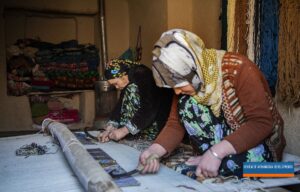
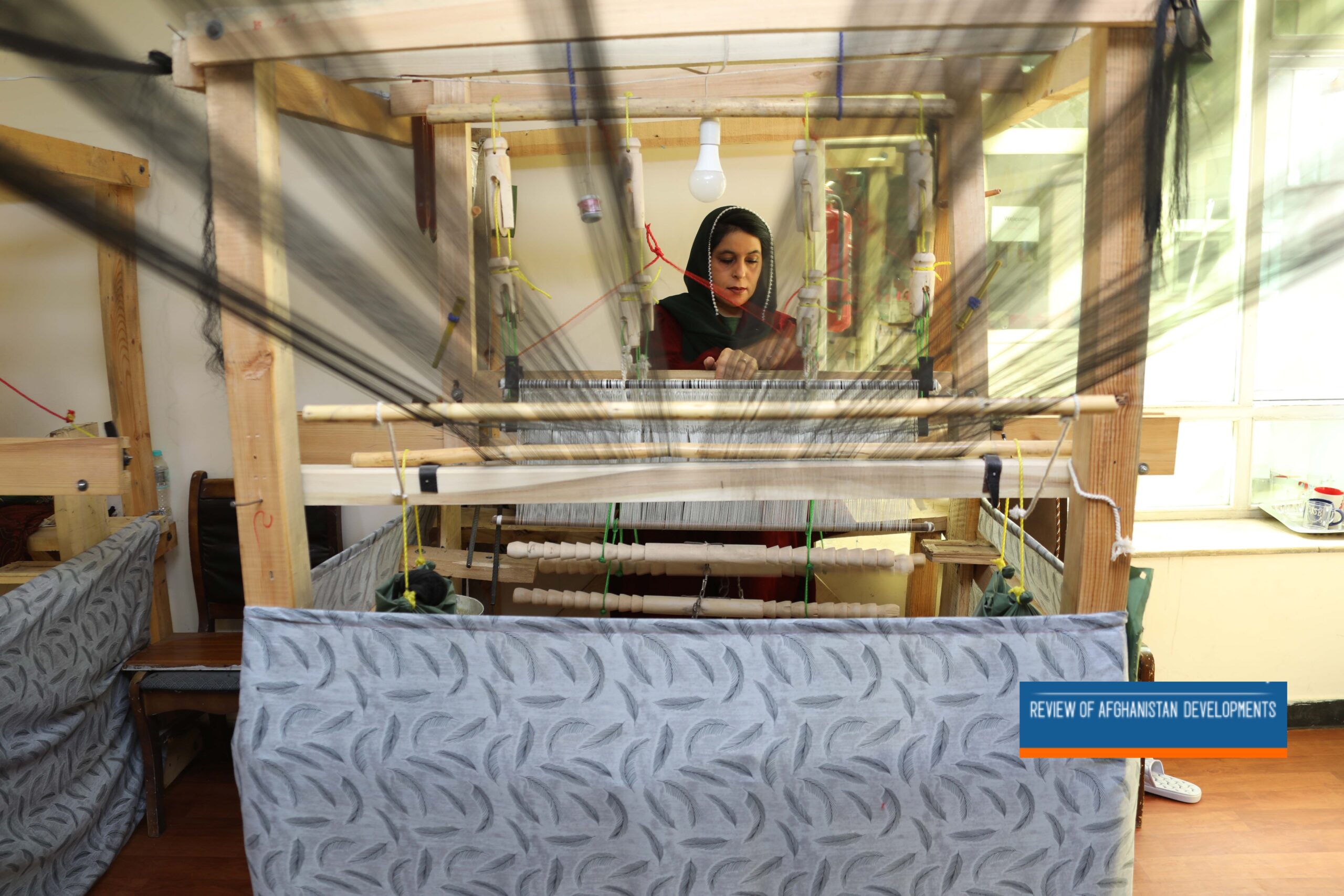
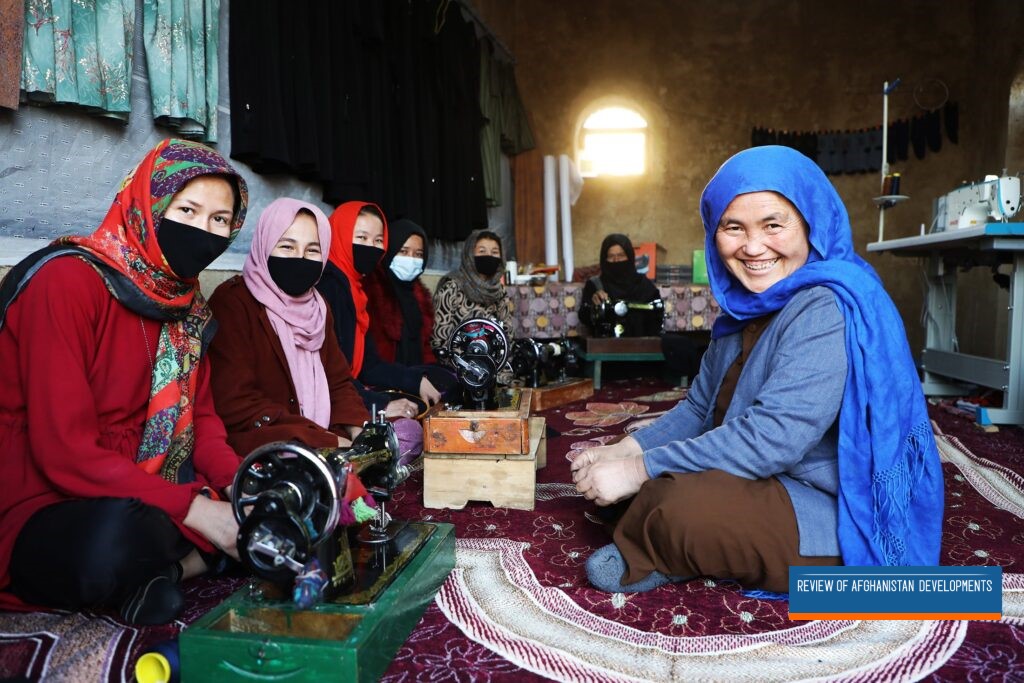
Home-based and small-scale enterprises, particularly in rural and semi-urban areas, can help distribute economic opportunities more evenly. However, current restrictions—especially those limiting women’s employment and construction activity—have significantly constrained these options.
2. Market Regulation and Price Monitoring
Effective market regulation requires transparent and continuous oversight. Digital tools for monitoring prices, inventories, and supply flows can help reduce hoarding and prevent unjustified price increases. Strong coordination between regulators and the private sector is essential to stabilize markets and protect households from sudden price shocks.
3. Regional Trade Diversification
Afghanistan’s heavy reliance on Pakistan exposes it to repeated external disruptions. Developing alternative transit routes, strengthening regional trade agreements, and investing in transit infrastructure would improve supply stability and reduce import costs over time.
4. Long-Term Economic Planning
Short-term responses alone are insufficient. Afghanistan needs long-term economic planning supported by reliable data on prices, employment, and supply-demand dynamics. Strong statistical systems would enhance crisis forecasting, policy design, and sustainable development planning.
5. Social Capital and Islamic-Afghan Cultural Values
Economic policy should be complemented by social and cultural mechanisms. Afghan society is deeply rooted in Islamic values of solidarity, charity, and collective responsibility. These traditions have long functioned as informal safety nets during crises.
Strengthening charitable institutions and coordinating community support can help alleviate poverty and support vulnerable groups, reinforcing—not replacing—formal economic solutions.
Related Articles
Afghanistan’s Informal Economy and Urban Marginalization
The Economy of Afghanistan under Taliban governance
Conclusion
Afghanistan’s subsistence economy is shaped by a complex mix of structural weaknesses, political constraints, and regional disruptions. Rising prices, persistent unemployment, trade vulnerabilities, and demographic pressures underscore the need for a comprehensive economic approach. Through market regulation, job creation, regional cooperation, and the mobilization of social capital, Afghanistan can begin to reduce the pressures on subsistence livelihoods during this critical period. Without structural reforms and effective market governance, the subsistence economy will remain trapped in a cycle of vulnerability to price shocks and external disruptions.