
Review of Afghanistan developments
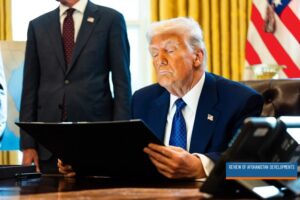
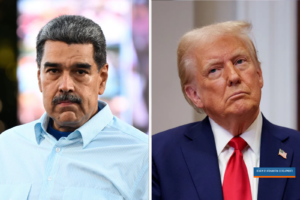
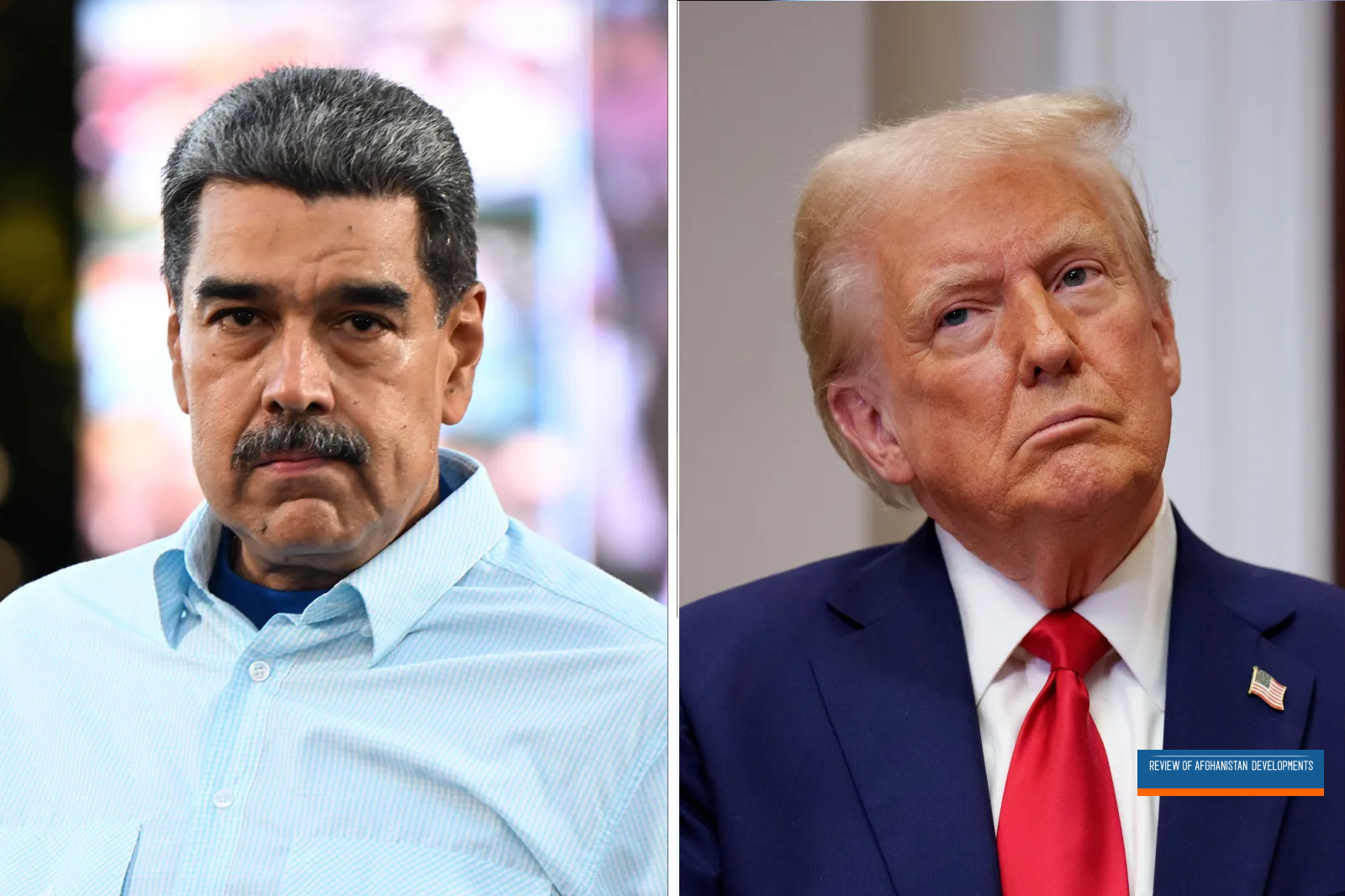
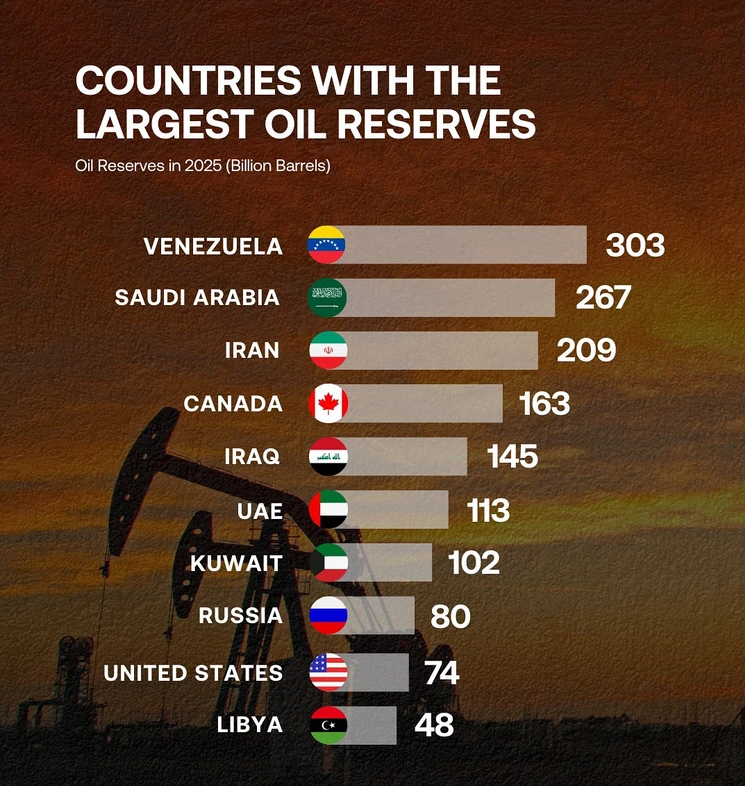
Venezuela, a country endowed with vast oil reserves and significant geopolitical importance, has increasingly become a focal point of US foreign policy pressure. During the Trump administration, Washington openly pursued policies aimed at altering the political structure of Venezuela, emphasizing control over strategic resources and influence over the future leadership in Caracas. These actions once again exposed the limitations of international law and norms, highlighting a global order largely shaped by power politics rather than legal or moral constraints.
Afghanistan experienced a comparable intervention two decades earlier. In 2001, the United States launched a military invasion under the banner of combating terrorism and pursuing regime change, which led to the removal of the first Taliban government. The Afghan case stands as a clear example of the failures associated with externally imposed regime change and the establishment of dependent governments. Examining Afghanistan’s trajectory offers critical insights into the long-term consequences of military intervention and foreign-driven political transformation.
Human and Security Costs of Regime Change
Following the attacks of September 11, 2001, the United States invaded Afghanistan with the stated objective of dismantling terrorist networks and restoring security. The operation involved extensive aerial bombardment, ground assaults, and a rapid restructuring of the political system. Over the course of the conflict, hundreds of thousands of civilians were killed, and millions were displaced from their homes. Despite investing trillions of dollars and maintaining a prolonged military presence, the United States failed to establish lasting stability or prosperity.
The prolonged conflict between the Taliban and US-led NATO forces ultimately compelled Washington to withdraw in 2021, culminating in the Taliban’s return to power. Afghanistan thus demonstrates that regime change through military intervention does not guarantee security and may, in fact, exacerbate instability. Similar outcomes can be observed in Iraq, Libya, and Syria—countries that have undergone regime change or sustained foreign intervention over the past two decades and continue to face civil conflict, weakened state institutions, and widespread humanitarian crises.
Given this historical record, it is reasonable to anticipate that continued external pressure or intervention in Venezuela may produce comparable instability rather than political or economic recovery.
Resistance and the Limits of American Interventionism
Military intervention and political coercion that disregard historical context, domestic capacities, and popular resistance frequently fail to achieve their stated objectives. Instead, such strategies often generate long-term consequences that undermine regional stability. Afghanistan illustrates this pattern clearly: the ambitious and costly US project of state-building and institutional engineering ultimately resulted in institutional collapse, a deep humanitarian crisis, and widespread public disillusionment, creating conditions for the Taliban’s resurgence.
In Venezuela, early domestic reactions to overt US pressure indicate the presence of popular resistance to foreign interference. Despite economic hardship and internal political challenges, the Venezuelan government has leveraged nationalist sentiment and concerns over sovereignty—particularly regarding oil resources—to consolidate support among key constituencies. Attempts by external actors to exert control over Venezuela’s strategic assets are therefore likely to provoke social unrest and potentially violent resistance, further destabilizing the country.
Afghanistan and Venezuela: Different Approaches, Similar Outcomes
Although Afghanistan and Venezuela have both been targets of regime change efforts, the strategies employed have differed. In Afghanistan, US intervention was justified primarily through security and counterterrorism narratives, albeit underpinned by broader geopolitical considerations. In contrast, the Trump administration articulated its approach toward Venezuela more explicitly in economic terms, emphasizing access to oil reserves and strategic leverage. Venezuela was thus framed less as a security threat and more as a geo-economic opportunity.
This shift reflects a broader transformation in US foreign policy rhetoric. Under Trump, American objectives were often articulated with minimal concern for international public opinion or institutional legitimacy. By openly emphasizing economic interests and resource control, the United States signaled a reduced reliance on normative justifications such as human rights or democracy promotion. This posture suggests a changing international environment in which traditional global governance frameworks are increasingly sidelined by unilateral power and coercion.
Lessons for Political Opponents and Domestic Actors
One critical lesson emerging from US interventionism is the futility of relying on external powers to achieve domestic political change. Historical experience demonstrates that even sustained military presence and support for client governments do not ensure political stability or legitimacy. Durable governance instead depends on internal cohesion, domestic legitimacy, and the capacity to address national challenges without excessive reliance on foreign actors.
A second lesson concerns political opposition movements that expect decisive backing from the United States. In Venezuela, opposition groups were unable to seize power despite explicit diplomatic and rhetorical support from Washington. This outcome underscores the reality that US foreign policy is guided primarily by national interests and that alliances of convenience may be abandoned when strategic calculations change. The collapse of the US-backed Afghan government in 2021 provides a stark illustration of this dynamic.
A third and most consequential lesson relates to the human cost of intervention. In Afghanistan alone, approximately 174,000 people lost their lives during the conflict, and millions were displaced internally or forced to seek refuge abroad. Similar patterns of displacement and humanitarian suffering followed US military interventions in Iraq and elsewhere. Regime change pursued through force thus carries profound social and demographic consequences that persist long after military operations conclude.
Related Articles
Contradictory U.S. policy on Taliban and Julani government
Regional consensus against US return to Bagram
Conclusion
A comparative analysis of US intervention in Afghanistan and pressure exerted on Venezuela demonstrates that externally driven regime change rarely produces stability, security, or prosperity. Afghanistan stands as a powerful case study of the human, economic, and institutional costs of such strategies, while Venezuela faces the risk of following a similarly destabilizing path. The experience of the Trump administration further illustrates the declining influence of international law and multilateral institutions when confronted with unilateral power politics.
Ultimately, sustainable political order depends on domestic legitimacy, inclusive governance, and effective crisis management rather than foreign intervention. For both governments and opposition movements, the lessons of Afghanistan underscore the necessity of prioritizing national sovereignty and internal political solutions over reliance on external actors.