
Review of Afghanistan developments
The Afghanistan-Pakistan conflict has entered a dangerous new phase after recent military clashes and airstrikes pushed tensions beyond routine border incidents. The latest conflict saw hours of intense fighting along multiple border regions, followed by Pakistani airstrikes on major Afghan cities. These developments indicate that the Afghanistan–Pakistan conflict is no longer limited to sporadic clashes but is evolving into sustained military confrontation.
Recent Pakistani strikes and Taliban counterattacks demonstrate how the Afghanistan–Pakistan conflict has intensified in recent months. The expansion of this conflict into deeper Afghan territory marks a significant turning point and increases the risk of broader escalation between Kabul and Islamabad.
Background of the Afghanistan-Pakistan Conflict
The Afghanistan–Pakistan conflict has deep historical roots, but relations initially appeared to improve after the Taliban returned to power in 2021. Pakistan expected the Taliban to restrain anti-Pakistan militant groups, yet the Afghanistan–Pakistan conflict gradually intensified as cross-border attacks continued.
Recent Pakistani airstrikes in eastern Afghanistan, particularly in Nangarhar and Paktika, significantly escalated the Afghanistan–Pakistan conflict. Civilian casualties reported after these strikes fueled Taliban retaliation and contributed to a major expansion of the Afghanistan attack on Pakistan.
Recent Afghanistan-Pakistan Conflict
The most recent phase of the Afghanistan–Pakistan conflict began when Taliban forces launched coordinated attacks on Pakistani border positions across several provinces including Paktia, Khost, Kunar, Nuristan, Nangarhar, and Paktika.
The fighting lasted several hours and became one of the largest confrontations in the recent Afghanistan–Pakistan conflict. Both sides framed the escalation in ideological and security terms, highlighting the growing hostility shaping the this conflict.
Pakistan later announced a military response under the name “Ghazb-ul-Haq,” signaling a further intensification of the Afghanistan–Pakistan conflict and warning that no location in Afghanistan would be beyond reach.
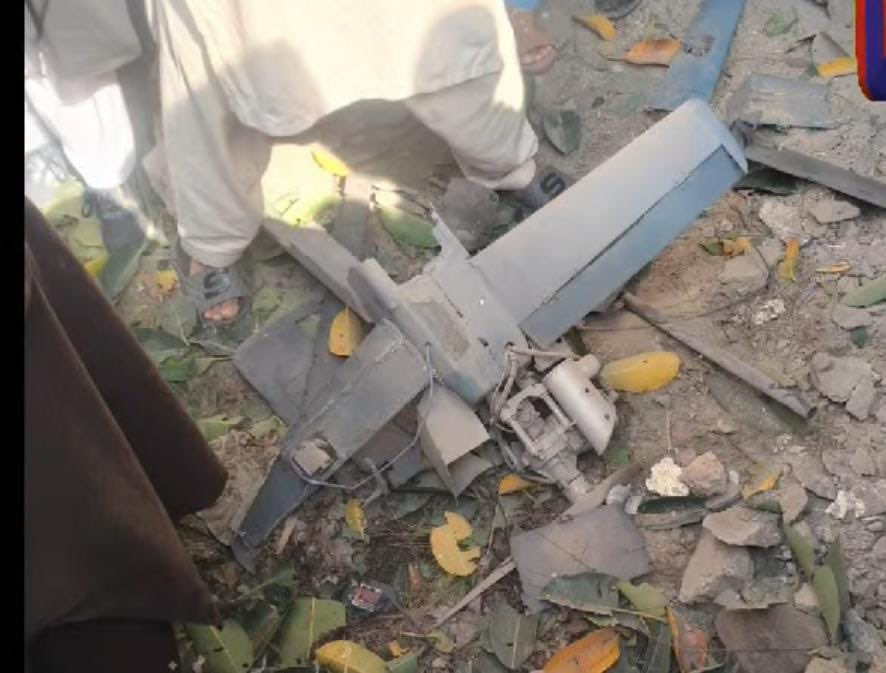
The recent conflict demonstrated a shift in military tactics and technology. Taliban forces reportedly used armed quadcopters against Pakistani border posts, while Pakistan responded with combat drones and heavy artillery.
The use of drones and advanced weapons indicates that the Afghanistan–Pakistan conflict has evolved beyond traditional border engagements. Reports also suggested that Taliban-linked media claimed drone strikes targeted militant bases during the conflict, reflecting the complex security environment along the frontier.
Conflicting claims about casualties have complicated efforts to assess the scale of the Afghanistan–Pakistan conflict. Taliban officials claimed dozens of Pakistani soldiers were killed and several posts destroyed (confirmed by Aljazira), while Pakistan reported heavy Taliban losses and the destruction of multiple Taliban positions.
These contradictory reports highlight the uncertainty surrounding the true impact of the Afghanistan–Pakistan conflict and demonstrate how information warfare has become part of the confrontation.
Airstrikes on Kabul and Kandahar
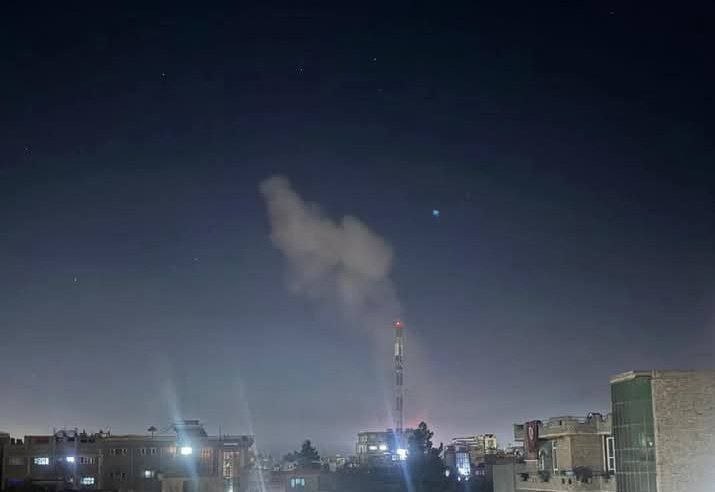
Pakistani airstrikes on Kabul, Kandahar, and Paktia marked the most significant escalation in the Afghanistan–Pakistan conflict. Explosions reported in major Afghan cities indicated that Pakistan was willing to expand the battlefield beyond border areas.
Targeting Taliban military installations in major cities represents a critical turning point in the Afghanistan–Pakistan conflict. These strikes challenged Taliban red lines and increased the risk that the Afghanistan–Pakistan conflict could expand further.
Mediation Efforts
Diplomatic efforts attempted to reduce tensions in the Afghanistan–Pakistan conflict, with Qatar initiating mediation efforts and discussing a ceasefire with Pakistani officials.
However, the absence of clear commitments after the clashes suggests that the Afghanistan–Pakistan tension may continue despite diplomatic initiatives.
Future Scenarios
Several scenarios could shape the future of the Afghanistan–Pakistan conflict. The most likely outcome is continued border clashes, with Taliban forces launching further attacks on Pakistani checkpoints as part of the ongoing conflict.
A second scenario involves the expansion of the Afghanistan–Pakistan conflict into Pakistani territory through drones or proxy groups. A third and more dangerous possibility would involve attacks on major Pakistani cities, which could transform the Afghanistan–Pakistan conflict into full-scale war.
Related Articles
The future of Afghanistan and Pakistan tension
Pakistan’s airstrike on Kabul: A strategic mistake
Conclusion
The recent escalation has placed the Afghanistan–Pakistan conflict at a critical turning point. Pakistani airstrikes on major Afghan cities demonstrate that the Afghanistan–Pakistan conflict has crossed previous limits and entered a new stage.
Future developments in the Afghanistan–Pakistan conflict will depend on Taliban responses and diplomatic efforts, but the risk of further escalation remains high.