
Review of Afghanistan developments
The arrest of ISIS-K’s spokesman is more than a routine counterterrorism operation—it marks a strategic strike against the ideological backbone of the group.
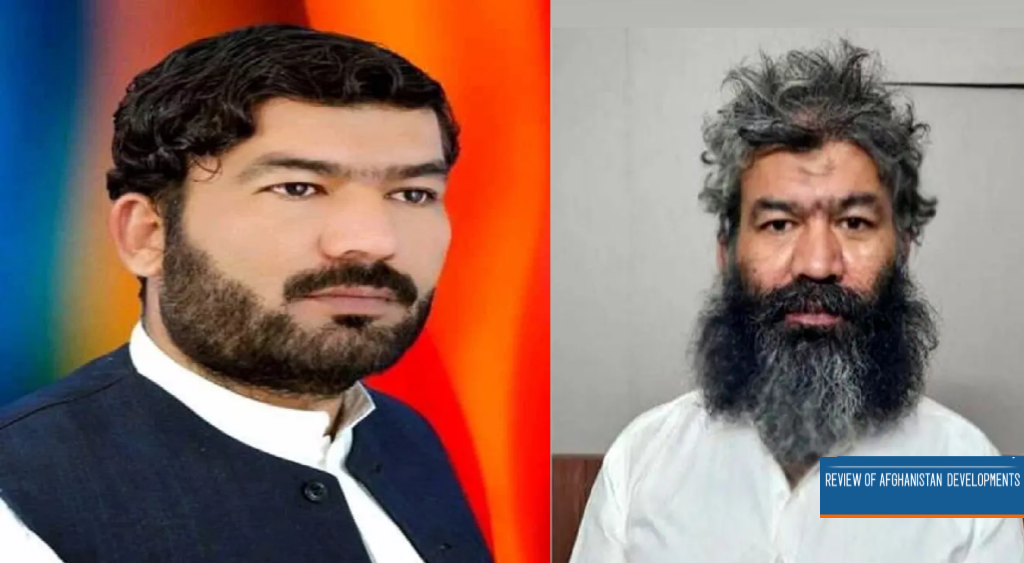
Sultan Aziz Azam, the long-time media architect and public voice of ISIS-K, has been arrested in Pakistan, according to local reports. His capture delivers a serious blow to the group’s propaganda machinery at a time when ISKP is already struggling to maintain operational relevance inside Afghanistan.
For years, Azam shaped ISIS-K’s narrative, recruitment messaging, and ideological warfare, making him one of the most influential figures within the organization. His arrest not only weakens ISIS-K’s ability to mobilize supporters but also exposes deeper regional dynamics involving Pakistan, the Taliban government, and international security actors.
This development raises critical questions: Why was the ISIS-K spokesman arrested now? What does his detention reveal about the group’s presence in Pakistan? And how will this event reshape security calculations across Afghanistan and the wider region?
Who was Sultan Aziz Azam, the ISIS-K Spokesman?
Sultan Aziz Azam hails from the Barikab region in the Bati Kot district of Nangarhar province. As a child, he and his family immigrated to Pakistan during the Soviet army’s occupation of Afghanistan, finding refuge in a camp located in Peshawar city. There is limited information regarding Sultan Aziz Azam’s family; however, he has stated that his 13-year-old son lost his life in a drone strike carried out by American forces.
Following a period of exile, he made his way back to his hometown and pursued a degree in journalism at Nangarhar University. Subsequently, he served for a time as an advisor to the Nangarhar Provincial Council.
Sultan Aziz Azam was employed by various local radio stations, including Islah Radio, Hamishe Bahar Radio, and Nan Radio in Nangarhar Province, for approximately ten years. Azam was also a poet and writer, and prior to his affiliation with ISIS-K, his literary works were frequently shared on social media platforms like Facebook.
His articulate speech, writing skills, and proficiency in both Pashto and Dari rendered him a prominent and respected individual. Through his media engagements, Azam emerged as a recognizable voice in the public discourse of eastern Afghanistan, particularly in Nangarhar province, and solidified his status as a reliable figure within the local community. These same qualities subsequently formed the foundation for the appointment and role of Sultan Aziz Azam as the ISIS Khorasan spokesman.
How ISIS-K Built Its Propaganda Network?
ISIS-K was founded in 2014 as a local affiliate of ISIS in eastern Afghanistan, an area near Azam’s home. As per available reports, Sultan Aziz Azam became a member of the group in the same year that ISIS-K was formed.
The motivation behind Azam’s affiliation with ISIS Khorasan can be traced back to his upbringing, ideologies, and convictions. Firstly, the Bati Kok area in Nangarhar is recognized as a traditional and religiously conservative locality. Secondly, the eastern part of Afghanistan has historically been a hub for Salafi activities since the time of the Soviet invasion, and it continues to be regarded as the epicenter of Salafism in Afghanistan. Thirdly, during the Afghan conflict with the Soviets, refugee camps received support and training from Salafi organizations. These circumstances led Azam, as he himself stated, to develop inclinations towards jihadism.
On the other hand, Aziz Azam’s ideas, convictions, and skills rendered him a prime candidate for recruitment by ISIS. Extremist organizations consistently seek individuals with specialized media expertise to assist in recruitment efforts and to provide fighters with a sense of identity. Viewed from this angle, Azam possessed significant strategic value for ISIS Khorasan, which led to his prompt appointment as the ISIS Khorasan spokesman.
Why the Arrest of ISIS-K’s Spokesman Matters?
After Sultan Aziz joined ISIS-Khorasan and was appointed as ISIS-Khorasan’s spokesperson, he was responsible for producing media and propaganda content, issuing official statements, and coordinating messages between operational units and the media team. Azam’s speeches and audio messages were distributed through various platforms affiliated with the group and often focused on recruiting, ideological propaganda, and glorifying ISIS-Khorasan’s attacks. These messages were designed to target both local and transnational audiences and portray ISIS-Khorasan as a cohesive, ideological, and capable force.
As a representative of ISIS Khorasan, Azam quickly succeeded in disseminating the group’s narrative throughout Afghanistan, and his efforts and skills brought visibility to ISIS Khorasan and its ideology both within Afghanistan and beyond. Azam, recognized as a prominent figure, significantly influenced his position as the ISIS Khorasan spokesman, and these same traits established him as the most notable individual, or alternatively, the second-in-command in ISIS Khorasan, following the leader of ISIS Khorasan, over the last decade.
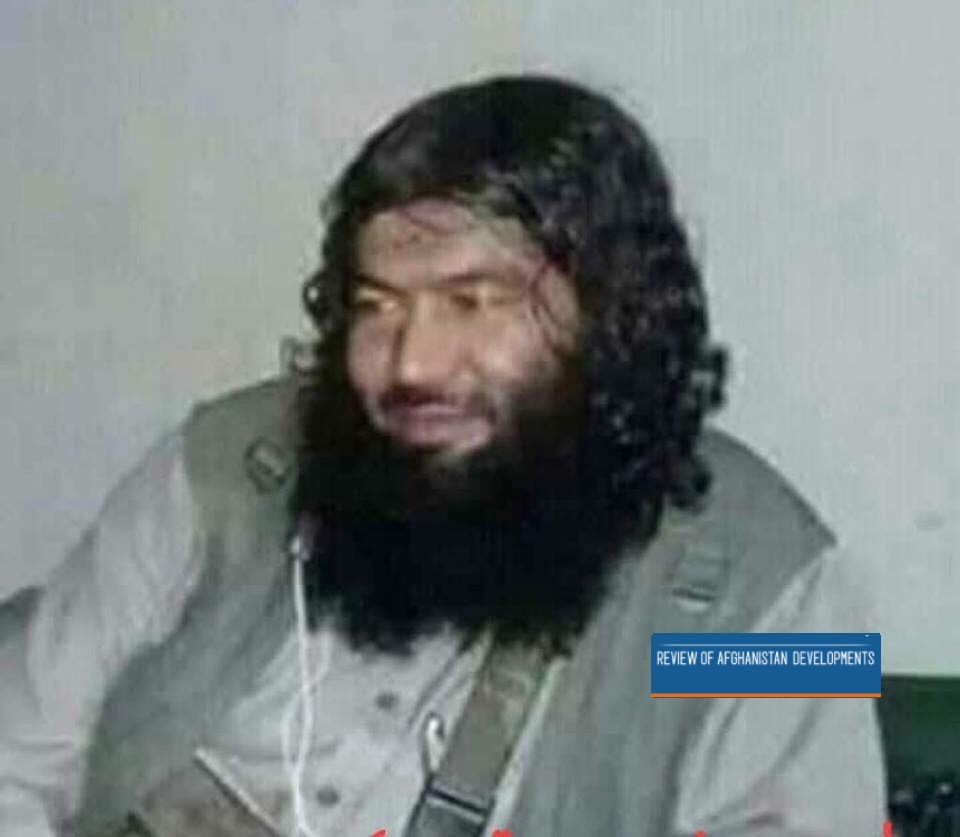
What led to Sultan Aziz Azam being the second-in-command in ISIS Khorasan?
In January 2019, foreign military forces stationed in Afghanistan, under the leadership of the United States, declared that Sultan Aziz Azam, the ISIS Khorasan spokesman, had been eliminated in an airstrike in the Pachiragam region of Nangarhar Province, Afghanistan. Nevertheless, an audio recording featuring him was subsequently made public, indicating that the ISIS Khorasan spokesman was still alive, and leaving uncertainty regarding the identity of the individual killed by US forces.
Following the confirmation of the ISIS Khorasan spokesman’s survival, the United States designated Sultan Aziz Azam as a wanted terrorist in 2021. Azam’s addition to this list underscores the critical role of propaganda within the terrorist organization’s framework and highlights the significance of the ISIS Khorasan spokesman in influencing the group’s narrative.
The arrest of the ISIS Khorasan spokesman at this juncture is both significant and ambiguous in multiple respects. Firstly, this arrest occurs at a time when the group has shifted from being a dynamic entity to one that is effectively bankrupt. For several months, ISIS Khorasan has struggled to execute substantial operations within Afghanistan, and the apprehension of ISIS Khorasan spokesman represents yet another severe setback for the organization. Secondly, in light of the devastating impacts inflicted by the Taliban government, the ISIS group has relocated to Pakistan, and the capture of its spokesman on Pakistani soil serves as further corroboration of claims made by Taliban officials regarding the establishment of ISIS Khorasan in Pakistan. Thirdly, this arrest coincides with the impending visit of General Asim Munir, the commander of the Pakistani army, to the United States, and is perceived as an additional gesture from Pakistan to the White House, which harbors significant concerns regarding the activities of ISIS Khorasan. Lastly, by detaining the ISIS spokesman, Pakistan aims to alleviate the suspicions and allegations raised by neighboring countries regarding the presence of ISIS Khorasan within its borders.
Related Articles
ISIS Khorasan’s migration from Afghanistan to Pakistan
The new role of ISIS Khorasan in the region
Security and Political Implications for Afghanistan and Pakistan?
The apprehension of the ISIS Khorasan spokesman significantly weakens the organization’s propaganda and recruitment efforts, as the spokesperson was instrumental in justifying violence and crafting an ideological narrative. The capture of Sultan Aziz Azam, a specialist in ideological warfare, represents a devastating setback for the group. In recent years, the Afghan faction of Daesh has successfully drawn fighters from various regions through its comprehensive propaganda strategies. It is improbable that ISIS-K will swiftly locate an individual with the expertise of Sultan Aziz Azam, and this gap is unlikely to be filled in the near future.
The apprehension of the ISIS Khorasan spokesman in Pakistan not only represents a setback for ISIS but will also initiate a new chapter in the ongoing conflict between the Taliban administration and Pakistan. This marks the second occasion on which high-ranking ISIS Khorasan members have been detained in Pakistan, allowing the Taliban government to reinforce its assertion that the terrorist organization operates from within Pakistan.
The arrest of the ISKP spokesman within Pakistan’s borders challenges the assertions made by Pakistani political and military leaders that Afghanistan serves as a sanctuary for terrorist organizations. While Pakistani authorities claim to have detained him in the Khyber Pakhtunkhwa province as he was returning from Afghanistan, analysts recognize that this story is dubious.