
Review of developments Afghanistan
Military tensions between Afghanistan’s Taliban government and Pakistan have entered a new and unprecedented phase. What once consisted mainly of sporadic border clashes and political disputes has increasingly evolved into a more complex security confrontation. One of the most notable developments in this evolving dynamic is the emergence of Taliban drone capabilities, which are beginning to influence the military calculations of both sides.
In recent weeks, the Pakistani Air Force has shifted from its earlier strategy of targeting only alleged Tehrik-e-Taliban Pakistan (TTP) sanctuaries inside Afghanistan. Instead, Pakistani strikes have reportedly expanded to include Taliban-affiliated facilities and installations in urban centers such as Kabul and Kandahar. The repeated violations of Afghan airspace, sometimes occurring several times per day, indicate that Islamabad may be transitioning from indirect containment toward a strategy of direct military pressure.
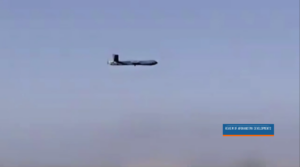
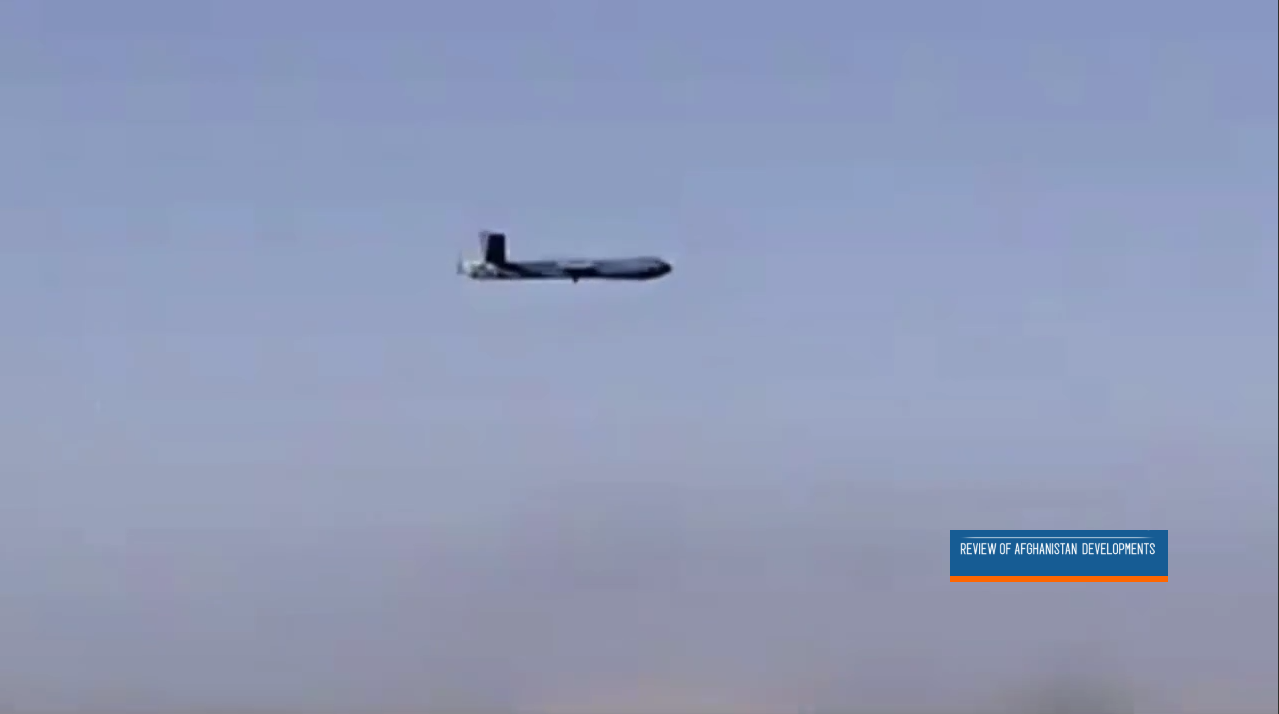
However, what distinguishes the current episode of tension is not merely Pakistan’s airstrikes but Kabul’s response. For the first time, reports suggest that the Taliban has attempted to deploy drones as a retaliatory measure, allegedly targeting locations deep inside Pakistan. If confirmed and sustained, this development could elevate the Afghanistan-Pakistan confrontation into a new strategic phase.
The Rise of Taliban Drone Capabilities in the Afghanistan-Pakistan Conflict
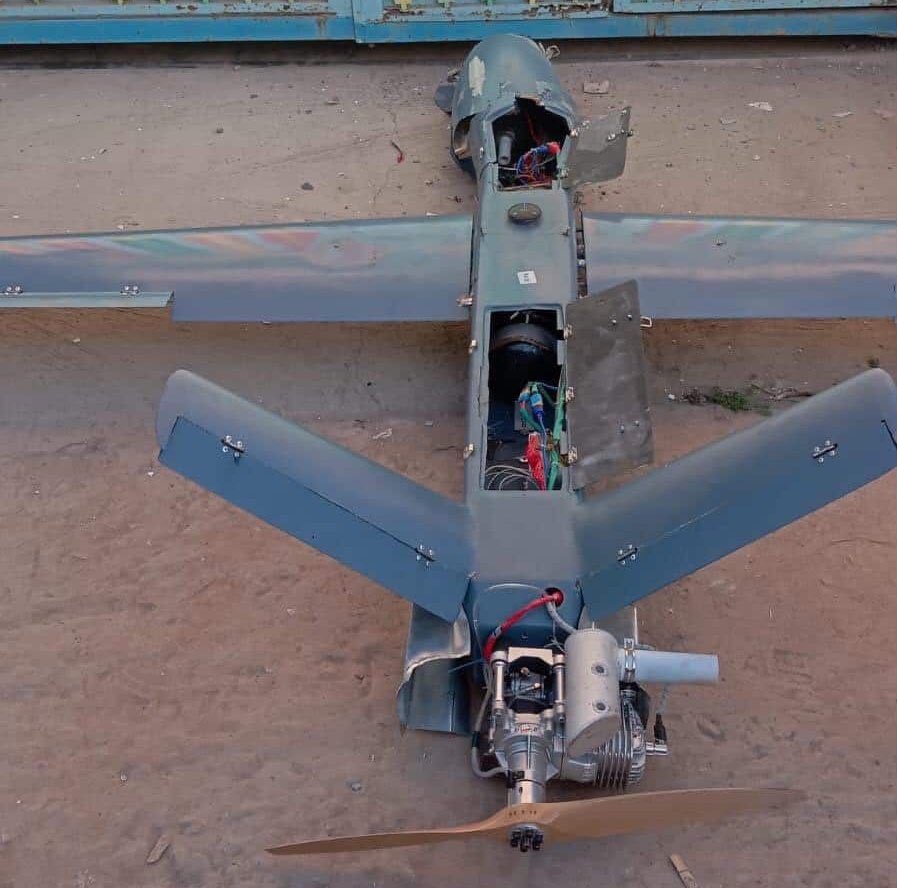
Until recently, Taliban drone capabilities were largely limited to the use of small commercial quadcopters and modified civilian drones. These platforms were primarily employed for reconnaissance missions or limited tactical strikes against border outposts along the Durand Line. Their operational role was therefore mostly localized and tactical, with minimal strategic impact.
The current reports of drones crossing the border into Pakistani territory, however, signal a potential shift in operational thinking. Even if Islamabad claims that these drones were intercepted before reaching their targets, the act of attempting long-range strikes carries a strong strategic message.
From a military perspective, this development suggests that the Taliban may be attempting to expand beyond traditional insurgent tactics based on ground operations and light weaponry. Instead, the group could be exploring asymmetric aerial capabilities that allow it to project limited power beyond Afghanistan’s borders.
In regional security discussions, this shift could challenge Pakistan’s long-standing concept of “strategic depth,” a doctrine that has historically assumed that Afghanistan would not pose a direct aerial threat to Pakistani territory.
The Drone Sector in Afghanistan: From Commercial Assembly to Reverse Engineering
The rapid global proliferation of drone technology has significantly lowered the barriers to entry for non-state actors. Many of the essential components required for building drones—including electric motors, GPS navigation systems, flight controllers, and high-resolution cameras—are now widely available on commercial markets.
As a result, constructing reconnaissance drones or lightweight loitering munitions no longer requires a sophisticated industrial base. Groups with basic technical knowledge and access to commercial components can assemble relatively functional drone systems.
According to several reports, the Taliban may be attempting to strengthen its domestic capabilities by combining commercial parts with local assembly processes. There are also indications that equipment left behind by US and NATO forces in Afghanistan could be studied through reverse-engineering efforts.
Former military installations in areas such as Logar and Kabul may provide the technical infrastructure needed to test and assemble drone platforms. However, it is important to distinguish between possessing a small number of improvised drones and developing a sustainable drone program.
For Taliban drone capabilities to evolve into a durable military asset, three conditions would likely need to be met:
1. Establishing stable production and assembly facilities
2. Training specialized technical teams
3. Developing an iterative testing process to improve performance and operational range
Without these elements, drone usage would remain limited to sporadic tactical experimentation.
Financial and Geographic Advantages for Taliban Drone Development
One factor that may facilitate the expansion of Taliban drone capabilities is the relatively low cost of manufacturing simple suicide drones. Estimates suggest that producing a basic loitering munition could require only a few thousand dollars in components and assembly costs.
Given that the Taliban government now controls various revenue streams—including mining operations, taxation systems, and regional transit routes—financing such projects may not represent a major obstacle.
Afghanistan’s geography also offers strategic advantages for covert technological development. The country’s vast territory and mountainous terrain allow for the establishment of concealed testing areas and small-scale production facilities that are difficult to monitor from outside.
Furthermore, Afghanistan’s proximity to regional supply chains could facilitate the procurement of drone components. Commercial markets in East Asia, particularly China, as well as intermediary trade networks in parts of the Persian Gulf, could provide access to key electronics and manufacturing parts.
At the governmental level, there are indications that Taliban officials have attempted to improve their technical knowledge by sending representatives to regional arms exhibitions and by engaging with foreign engineers. If such efforts become institutionalized, Taliban drone capabilities could gradually shift from experimental tools to more structured elements of Afghanistan’s emerging military infrastructure.
Security Implications of Taliban Drone Capabilities for Pakistan
In the short term, the primary effect of Taliban drone capabilities is likely to remain psychological and symbolic rather than decisively military. Many of the drones reportedly used by the Taliban have limited range, relatively low precision, and high vulnerability to modern air-defense systems.
Pakistan’s existing military infrastructure—including radar networks and anti-drone defenses—should therefore be capable of intercepting most of these platforms before they cause significant damage.
Nevertheless, even occasional drone incursions could impose additional strategic costs on Pakistan. Islamabad might be forced to allocate greater resources toward airspace monitoring, electronic warfare systems, and anti-drone defense technologies along its western border.
This dynamic could gradually create a form of low-intensity aerial attrition, where inexpensive drones compel a conventionally stronger military to spend disproportionate resources on defensive measures.
In the medium term, if Taliban drone capabilities become more reliable and operationally consistent, Pakistan could face a persistent low-cost threat that occupies military attention along the Afghan frontier.
Long-Term Strategic Implications for Regional Security
In the long run, Pakistan’s traditional air superiority is unlikely to disappear. The country maintains a well-developed air force with advanced aircraft, surveillance capabilities, and layered air-defense systems that far exceed anything currently available to the Taliban.
However, the symbolic erosion of what was once perceived as completely secure airspace could have important psychological and political consequences.
Even limited drone operations originating from Afghanistan may gradually undermine the perception that Pakistan’s western territory is entirely insulated from aerial threats.
For the Taliban, this psychological effect could represent a meaningful strategic achievement. By demonstrating that Afghan territory can generate even modest aerial pressure, the Taliban leadership may strengthen its political standing both domestically and regionally.
Related article:
Taliban’s Drone Capabilities: From Quadcopters to Kamikazes
Will Taliban Drone Capabilities Change the Balance of Power?
At present, the short answer is no—Taliban drone capabilities are not yet sufficient to fundamentally alter the balance of power between Afghanistan and Pakistan. The Taliban’s drone usage currently functions more as a symbolic instrument of pressure and deterrence than as a decisive military capability.
However, several emerging trends suggest that this situation could gradually evolve. If Kabul succeeds in building local production facilities, training specialized technicians, and establishing reliable supply chains for drone components, its drone program could eventually become a stable element of the Afghanistan-Pakistan security equation.
More important than the immediate physical damage caused by drones is the potential shift in strategic perception. If Pakistan begins to believe that its territorial depth is no longer entirely shielded by Afghanistan’s geography and political landscape, regional security dynamics could enter a new phase.
In that context, Taliban drone capabilities would function not only as a military tool but also as a political instrument that enhances the Taliban government’s leverage within the broader regional system.
Ultimately, the trajectory of this development will depend on two central factors: The Taliban’s technical ability to sustain and expand its drone industry, and Pakistan’s strategic response—whether through military escalation, enhanced air defenses, or a recalibration of deterrence strategies.
What remains clear is that the introduction of drones into Taliban-Pakistan tensions signals the beginning of a new chapter in the evolving security landscape of South Asia.