
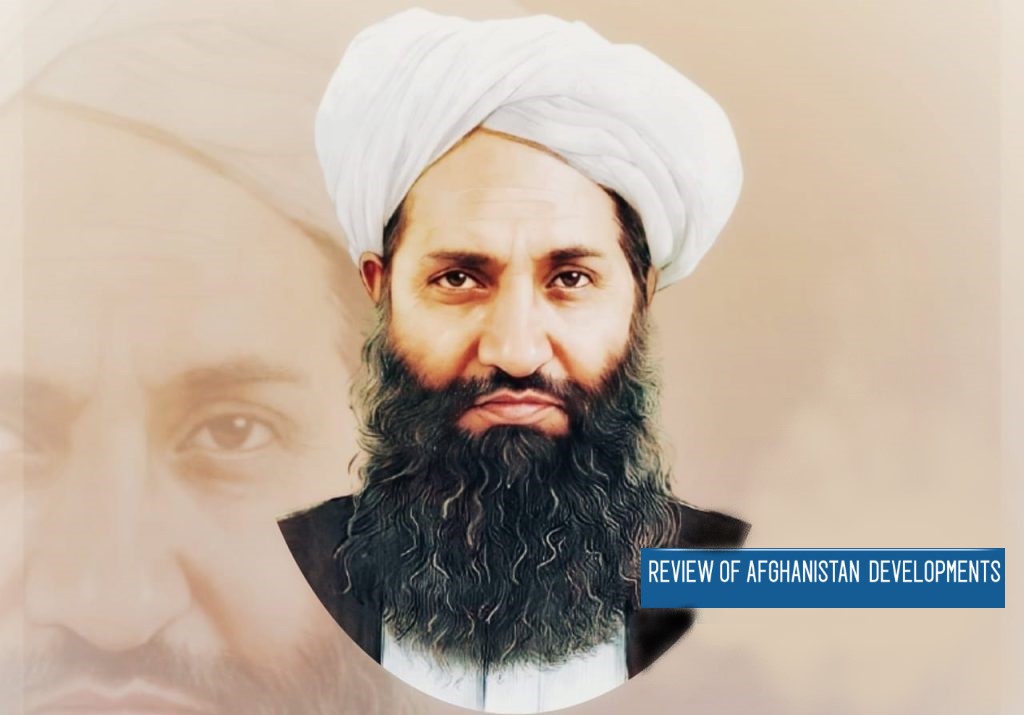
The message of the Taliban leader for Eid al-Fitr 2026 issued during Eid al-Fitr is consistently regarded as one of the most significant political and religious documents in Afghanistan. This message not only includes religious guidance but also reflects the stance of the highest Taliban authority on both domestic and international matters concerning Afghanistan. Consequently, analyzing the message of the Taliban leader can offer insights into the political and ideological priorities and apprehensions of the group.
In the message of the Taliban leader delivered during Eid al-Fitr this year, several significant themes are evident: a strong emphasis on the enforcement of Sharia law and loyalty to the Taliban government, a stance against Nowruz, a focus on security within Afghanistan, and indirect allusions to the plight of Muslims globally. Concurrently, certain omissions are also apparent in this message; notably, the absence of a definitive stance regarding Iran’s conflict with the United States and Israel, as well as the recent tensions between Afghanistan and Pakistan. These aspects render the message of the Taliban leader this year particularly noteworthy from both a political and regional standpoint.
Sharia Law in the Message of the Taliban Leader for Eid al-Fitr 2026
The opening segment of the message of the Taliban leader focuses on the merits of Ramadan, emphasizing the significance of fasting, devotion, and worship. The extent of this portion indicates that the Taliban leader continues to seek to establish the legitimacy of his administration through the enforcement of Islamic law.
Indeed, a fundamental aspect of the Taliban’s legitimacy in Afghanistan is its focus on the enforcement of Sharia law. In this communication, Mullah Hibatullah Akhundzada also seized the occasion of Eid al-Fitr to advocate for this same principle, stressing the importance of individuals adhering to religious values and the regulations of the Islamic Emirate.
Taliban Leader’s Opposition to Nowruz in Afghanistan
A significant aspect of the message of the Taliban leader is the mention of a tradition where the Prophet of Islam established two Eids, namely Eid al-Fitr and Eid al-Adha, to supplant earlier festivities. Within the message, these celebrations are linked to Nowruz and Mehregan, and are described as festivals from the pre-Islamic period.
This year, the overlap of Eid al-Fitr with Nowruz appears to have prompted the Taliban leader to utilize this narrative to express his disapproval of this age-old celebration, despite Nowruz continuing to be acknowledged as a significant cultural and social tradition in various regions of Afghanistan.
Although the Taliban officially opposes Nowruz, the overlap of Nowruz and Eid al-Fitr may lead Afghans to celebrate this holiday more this year compared to previous years.
A look at the Message of the Taliban leader for Eid al-Fitr 2025
Emphasis on Security in Afghanistan
In a different section of the message of the Taliban leader for Eid al-Fitr, security was highlighted as one of the key accomplishments of the Taliban government. Mullah Haibatullah Akhundzada stressed that the citizens of Afghanistan currently experience enhanced security compared to previous times, attributing this improvement to the “sacrifices of the Mujahideen of the Islamic Emirate.”
The leader of the Taliban characterized the establishment of the present government as the culmination of years of jihad and effort. He urged the populace to comply with the authorities and to refrain from any disputes to maintain this system.
Taliban Leader Concerned About Ethnic Divisions in Afghanistan
Another significant theme in the message of the Taliban leader is a caution regarding ethnic, linguistic, and regional biases. Afghan society comprises various ethnic groups, and these ethnic distinctions have been pivotal in shaping the political history of the country.
Considering that numerous Taliban leaders belong to the Pashtun ethnic group and that critics have accused the organization of exhibiting ethnic favoritism, the message of the Taliban leader’s focus on steering clear of ethnic discrimination may serve as a strategy to avert the intensification of internal conflicts.
Relations with Islamic and Non-Islamic Countries
In the section regarding foreign policy within the message of the Taliban leader, the Taliban’s strategy towards the global community can be classified into two distinct categories.
Concerning Islamic countries, the leader of the Taliban has stressed the importance of enhancing relationships founded on “Islamic brotherhood” and has urged for the expansion of ties between the Islamic Emirate and the broader Islamic community. This stance illustrates the Taliban’s attempts to secure legitimacy within Muslim countries.
Concerning non-Islamic nations, the message of the Taliban leader highlights the importance of fostering “good and beneficial” relationships; however, it stipulates that such relations are contingent upon honoring the values and beliefs of the Afghan populace and refraining from interference in the internal matters of the country.
Taliban Leader’s Silence on US and Israeli Actions Against Iran
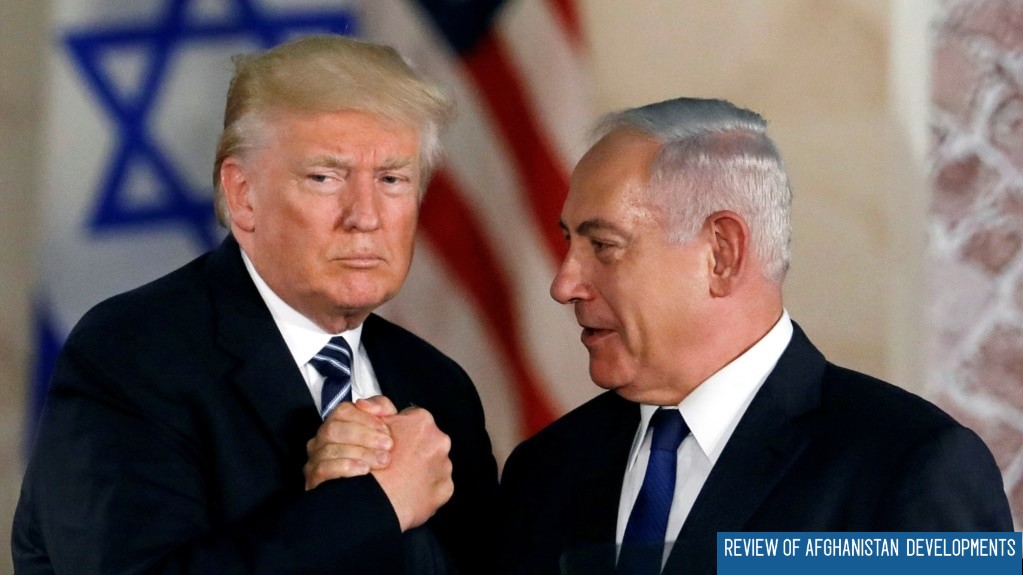
The message of the Taliban leader did not explicitly address one of the most significant developments in the region. In his Eid al-Fitr address, Mullah Hibatullah Akhundzada refrained from directly referencing tensions involving Iran, the United States, and Israel. Nevertheless, a portion of the message expresses sympathy for Muslims globally, emphasizing that Muslims ought to partake in one another’s joys and sorrows.
This section may implicitly allude to regional developments; however, the absence of a clear position is significant, particularly in light of the Taliban’s political discourse, which frequently includes anti-American and anti-Israeli rhetoric. While Zabihullah Mujahid, the spokesperson for the Taliban government, mentioned in an interview that Afghans would support the Iranian populace in the event of a U.S. invasion of Iran, the Taliban leader’s omission of any mention regarding the situation raises questions.
Taliban Leader’s Silence on Afghanistan-Pakistan Conflict
Another significant silence from the Taliban leader is the absence of mention regarding the recent conflicts between Afghanistan and Pakistan. In the past few months, the relationship between these two nations has encountered difficulties, including border disputes and security issues.
In spite of the significance of this matter, the message of the Taliban leader did not address these tensions. This lack of acknowledgment may indicate the Taliban’s attempts to handle their relationship with Islamabad and avert the escalation of tensions in both political and media spheres.
Conclusion: Political Messaging and Strategic Omissions
The message of the Taliban leader reflects a combination of explicit ideological emphasis and notable strategic silence. While the message strongly reinforces core principles such as the enforcement of Sharia law, internal unity, and national security, it simultaneously avoids direct engagement with critical regional developments.
These omissions—particularly regarding Iran and Pakistan—are significant in understanding the Taliban’s broader political approach. The message of the Taliban leader, therefore, serves not only as a religious and ideological statement but also as an instrument of political signaling, revealing both the priorities and the constraints shaping the Taliban’s current posture.