
Review of Afghanistan developments
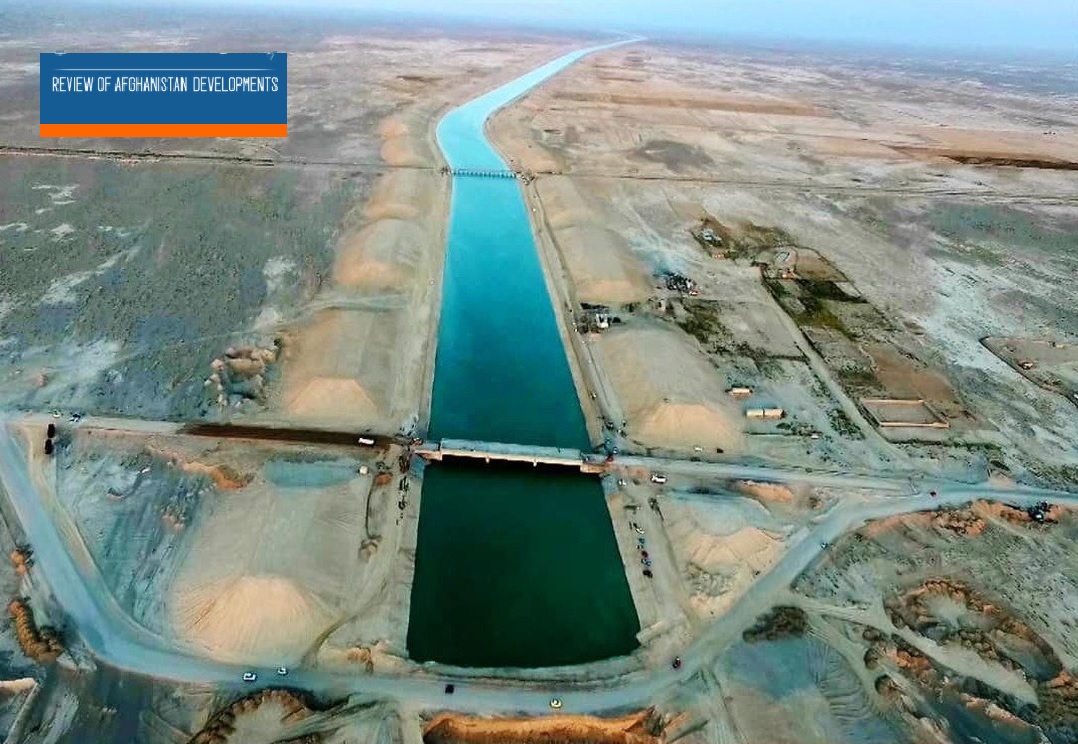
Is the Qosh Tepe Project a development initiative capable of revitalizing the Afghan economy, or a potential trigger for new crises in Central Asia? This is the question currently being raised at major Western research centers. While the Taliban government views the project as a symbol of self-sufficiency, agricultural renewal, and consolidation of power, many Western think tanks assess it as a geopolitical and environmental risk. These two opposing narratives reveal a deep divergence in understanding the nature and potential consequences of this mega-hydrological project in Afghanistan. On one hand, Afghanistan emerging from decades of war and deprivation; seeks to exploit its water resources; on the other hand, Western analysts warn of the project’s regional repercussions.
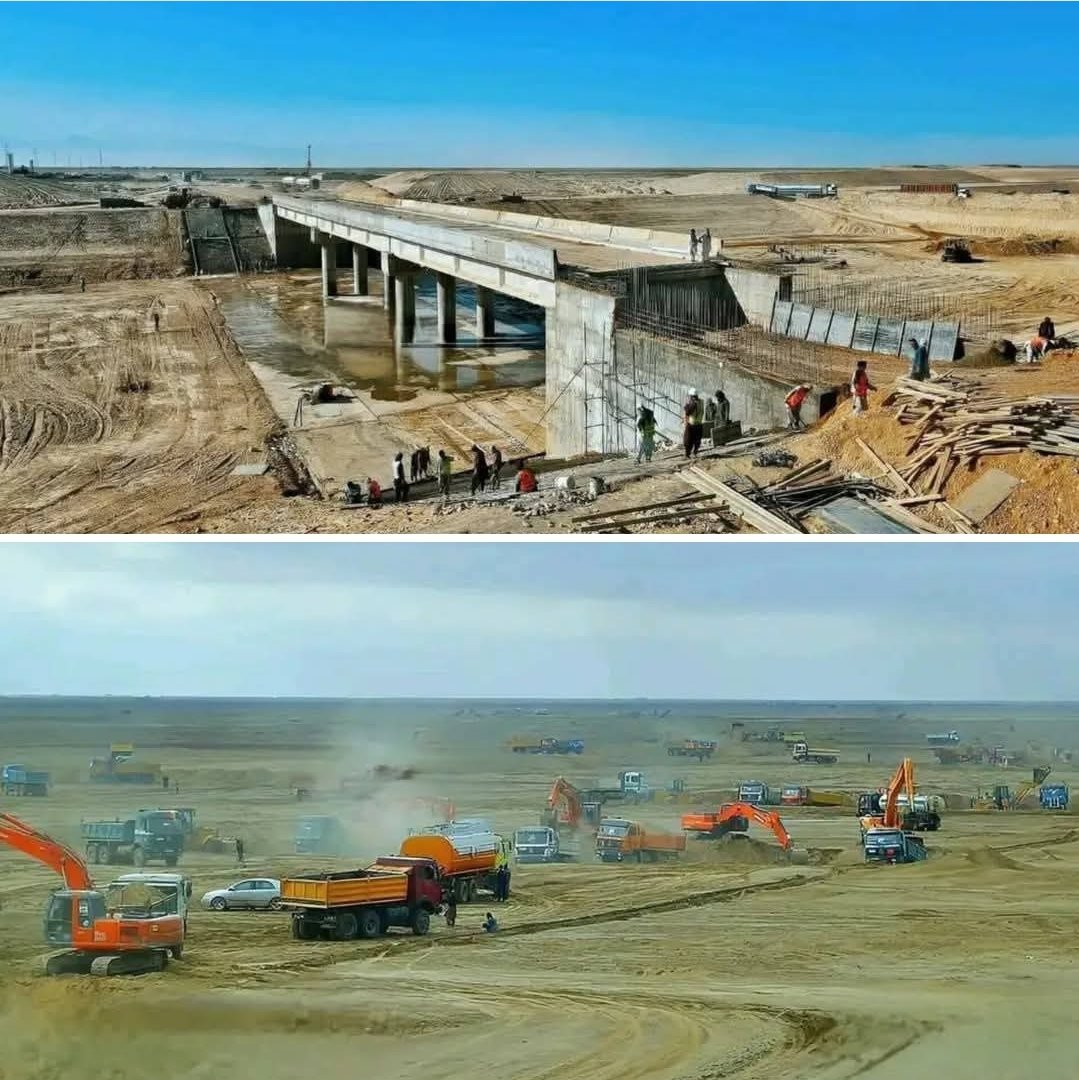
The Qosh Tepe project holds significant strategic and multifaceted importance for Afghanistan, particularly for the Taliban government. This initiative is not only recognized as the largest infrastructure endeavor in Afghanistan but also serves as a means to achieve agricultural self-sufficiency, decrease reliance on imports, and even curtail poppy cultivation. Considering that a substantial portion of the Afghan populace relies on agriculture, channeling water from the Amu Darya through this canal could rejuvenate the arid regions of northern Afghanistan and generate extensive employment opportunities. Politically, the Taliban portrays this project as a testament to their governance capabilities and their ability to execute major national initiatives, aiming to leverage it for domestic legitimacy and to showcase their effectiveness. The Taliban government’s particular emphasis on swiftly progressing the Qosh Tepe project, despite facing financial constraints and international isolation, underscores its status as a top priority in Taliban policymaking and its evolution into a prestige project for this ‘Islamic emirate.’
The importance of Western research centers and their view of the Qosh Tepe project
Western think tanks and research centers have a significant role in the international policymaking framework that extends beyond simply generating knowledge; they serve as a conduit between academic elites, politicians, and public sentiment. By offering specialized and forward-thinking analyses, these organizations contribute to shaping prevailing narratives in foreign policy and have a direct or indirect impact on the decision-making processes of officials. Frequently, policymakers in the United States and Europe rely on the outputs from these centers to assess infrastructure, security, and geopolitical initiatives. Consequently, the perspectives of these think tanks on projects like the Qosh Tepe Water Canal can mirror the broader Western concerns regarding regional stability, resource security, and geopolitical rivalry.
Concerning the Qosh Tepe project, an examination of various reports from Western think tanks indicates that these organizations predominantly adopt a critical and often pessimistic stance regarding the initiative. While a few of these centers recognize Afghanistan’s entitlement to utilize its water resources, the prevailing theme in their evaluations emphasizes the adverse effects of the project on water security, regional stability, and sustainable development.
One of the most critical areas of criticism and concern in this context is the escalating water crisis in Central Asia. The Carnegie Russia Eurasia Center, in an article entitled “The Qosh Tepe Canal and the Water Crisis in Central Asia,” highlights that the execution of the Qosh Tepe project may redirect a substantial portion of the Amu Darya River’s water, exacerbating the water scarcity crisis in the region. The report indicates that the annual diversion of nearly one-third of the Amu Darya River’s flow could disrupt the delicate equilibrium of water resources and leave downstream nations facing severe shortages. The evaluation asserts that the Qosh Tepe project is perceived not as a development opportunity, but instead as a contributor to environmental instability.
The Carnegie Russia Eurasia Center‘s criticism also highlights the potential for heightened political and regional tensions. The think tank points out that the absence of a mutual agreement on water management between Afghanistan and the Central Asian nations could result in an increase in disputes. Specifically, nations like Uzbekistan, Turkmenistan, and Tajikistan, which have historically been significant consumers of these resources, may perceive the project as a danger to their essential interests. In this regard, the Qosh Tepe project has been presented as a possible catalyst for the emergence of geopolitical conflicts.
The Jamestown Foundation further highlights the adverse hydrological and economic impacts of the Qosh Tepe project in its assessment. The organization cautions that executing this project may decrease the water flow to downstream nations by approximately 15 to 20 percent, which would have a direct impact on the agricultural industry of these nations. According to this think tank, such a considerable decline in water resources could jeopardize the food and economic stability of the regional countries and potentially result in social upheavals.
Furthermore, the Jamestown Foundation expresses an additional concern about the quality of the Qosh Tepe Water Canal project. Reports indicating water leaks and the employment of inferior construction techniques have cast doubt on the project, raising issues not only related to resource allocation but also regarding its technical efficiency. This indicates that the Western perspective is not confined to political ramifications; it also includes technical and environmental aspects.
The Center for the National Interest, in a comparable analysis, emphasizes the structural and managerial difficulties associated with the Qosh Tepe project. The center posits that Afghanistan, on its own, may lack the capability to execute a complex engineering endeavor of this magnitude, potentially raising concerns regarding the project’s sustainability. Furthermore, the report indicates that Afghanistan’s exclusion from regional water agreements heightens the likelihood of conflicts.
From the perspective of this think tank, the Qosh Tepe Project is not merely a technical challenge but also a geopolitical issue requiring international intervention and management. For this reason, the center even suggests that the United States and multilateral institutions should play a more active role in this regard (ibid.). This recommendation itself indicates that the West also analyzes the project within the context of competition for influence in Central Asia.
The US Foreign Policy Research Institute perceives the Qosh Tepe project as a potential threat to regional stability, adopting a security-focused perspective. The institute highlights that diverting approximately 15 percent of the Amu Darya’s water could create extremely challenging conditions for downstream nations and impact tens of thousands of individuals. The report from the institute, entitled “The Qosh Tepe Project’s Threat to Regional Peace,” suggests that this could result in political instability due to a reduction in water resources. Furthermore, the institute references historical instances, such as the desiccation of the Aral Sea, cautioning that similar projects, if not properly managed, could lead to disastrous environmental outcomes. From the institute’s viewpoint, the Qosh Tepe project is regarded as a potential recurrence of a significant environmental crisis.
Uzbekistan’s Leading Research Center on the Qosh Tepe Project
Despite the largely negative assessment of Western think tanks, the Uzbek government has sought to address the challenges posed by the Qosh Tepe water canal project through engagement rather than confrontation with the Taliban government. In this context, the Uzbekistan Institute for Advanced International Studies has published at least two analytical articles framing the Qosh Tepe Project as an internal state-building endeavor. According to these articles, Uzbekistan is striving to adopt a practical and realistic approach aimed at minimizing, or even neutralizing, the potential challenges associated with the project. Uzbekistan’s strategy in this case revolves around creating interdependence—manifested through active participation in the canal construction process, deepening economic cooperation with Afghanistan, and moving toward broader economic integration.
Related Articles
Water crisis in Kabul: causes and consequences
Conclusion
In summary, an examination of the viewpoints from these centers indicates that the prevailing Western perspective on the Qosh Tepe project is one of caution and predominantly negative sentiment. Key elements of this perspective encompass worries regarding the escalating water crisis, rising regional tensions, deficiencies in the project’s execution, and environmental impacts. While certain analyses highlight the possible advantages of the project for Afghanistan, these advantages are deemed minimal when weighed against the larger regional threats.
Generally speaking, it can be stated that within the discourse of Western think tanks, the Qosh Tepe Canal project is characterized more as a regional-security issue than as a national development initiative; an issue that, if not addressed appropriately, has the potential to evolve into a significant crisis point in Central Asia. Concurrently, from the viewpoint of Afghanistan, the extraction of water from the Amu Darya River is regarded as a natural entitlement that Afghanistan has been denied for many years. Given that drought conditions in Afghanistan, particularly in the northern regions, have jeopardized the livelihoods of its citizens, the development of this canal could revolutionize northern Afghanistan and propel the country towards self-sufficiency in grain production. As the second phase of the Qosh Tepe project nears completion and the commencement of the third phase is anticipated, it is likely that the volume of commentary from Western think tanks regarding this project will increase.