

Review of Afghanistan developments
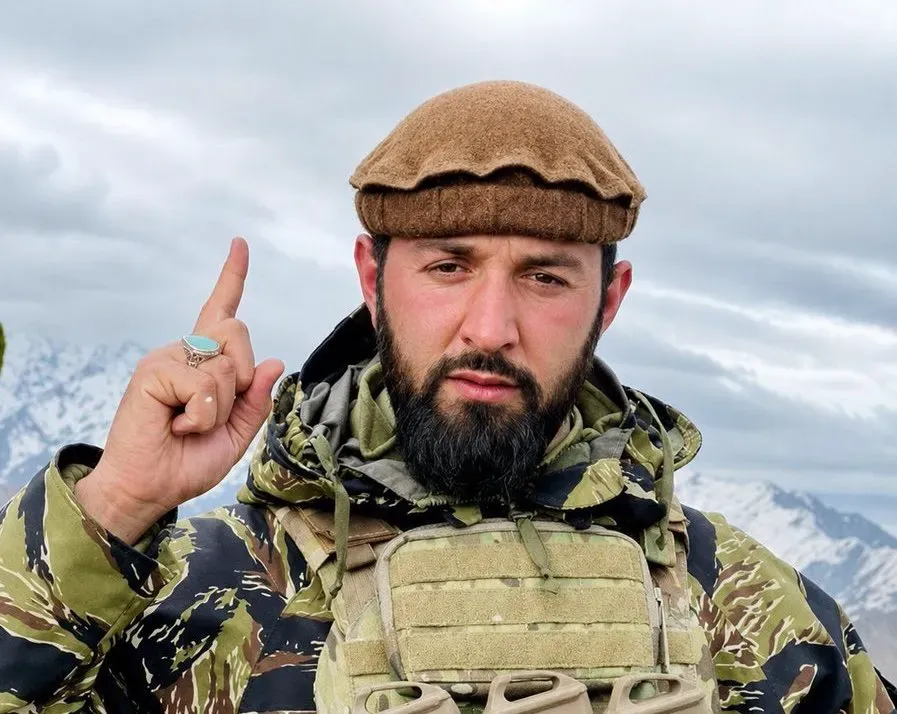
On Thursday, 20 August 2026 Al-Marsad, a media outlet close to the Taliban government, reported the killing of Haseeb Panjshiri, better known as Haseeb Quway Markaz. He was a prominent commander in Afghanistan’s National Resistance Front (NRF), led by Ahmad Massoud. Abdullah Khenjani, head of the NRF’s political committee, confirmed his murder.
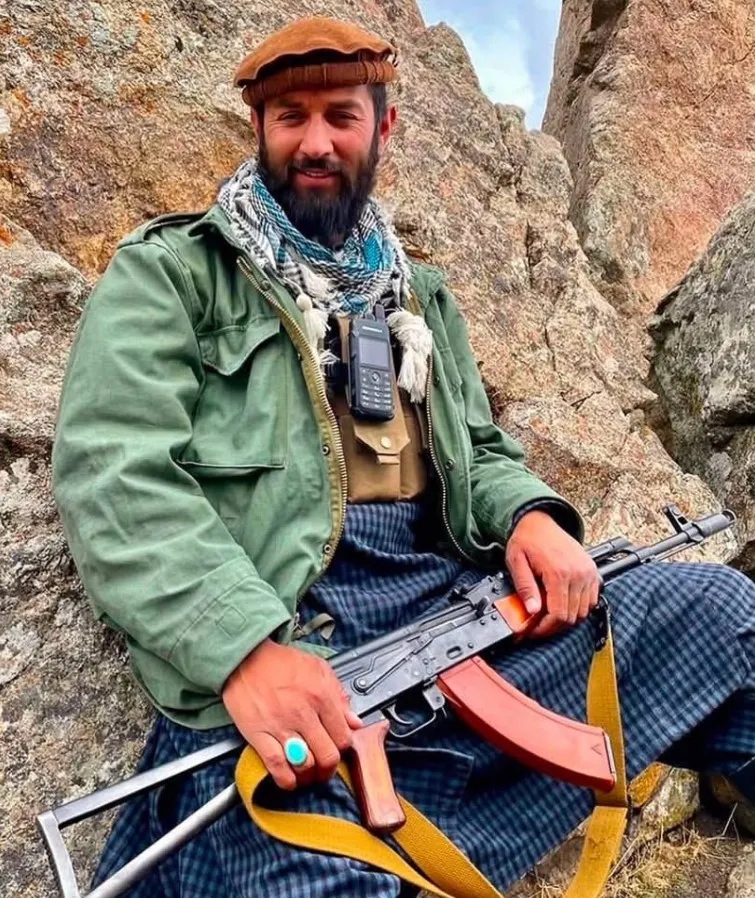
Haseeb Panjshiri was from Panjshir. He earned the nickname Haseeb Quway Markaz because he was active in Kabul’s Quway Markaz district. His reputation dates back to the republic era, when he became known for videos of himself posted on Facebook — clips featuring weapons and defiant rhetoric. At the time, he was wanted by authorities: Afghanistan’s Ministry of Interior accused him of disturbing public order and security, and even of murder.
After the republic’s collapse, Haseeb Panjshiri joined the National Resistance Front. Drawing on his existing notoriety and a steady stream of social media videos documenting his role in the fight against the Taliban, he once again became a well-known figure.
How Was Haseeb Panjshiri Killed?
Two different accounts exist of how Haseeb Panjshiri died.
The first account holds that Haseeb had been present inside Afghanistan since the republic’s fall, fighting alongside other NRF members. According to this version, he was killed — along with seven companions — in a clash with Taliban forces in the Salang area while moving from Panjshir toward Andarab to carry out an operation.
The second account holds that Haseeb Quway Markaz was killed in an ambush by security forces after returning from a neighboring country, with 13 of his companions captured. Posts from some Taliban opponents on social media suggest this second account carries more weight.
Was Haseeb Panjshiri Killed Because of a Betrayal?
It can be said with high confidence that Haseeb Panjshiri’s death was the result of a betrayal. This has moved past speculation — even some of the most prominent and hardline Taliban opponents are now openly discussing betrayal.
Zahir Aghbar, Afghanistan’s former ambassador to Tajikistan under the republic, wrote on X:
“Those who cooperated in this shameful crime through spying and tipping off the enemy should know that this great betrayal will never be forgotten.”
Bahar Mehr, another Taliban opponent, wrote on X:
“Now that we’re done mourning the ‘Iron Commander,’ let’s ask why he was killed — and who leaked his information and travel plans.”
Details of the Taliban’s Intelligence Operation
According to sources close to the Taliban, Haseeb Quway Markaz was identified before August 15, but the operation against him was delayed so it wouldn’t overshadow Afghanistan’s Independence Day observances. Per this account, he was placed under surveillance, and the operation was carried out several days later, on August 20.
This suggests Taliban security forces had obtained intelligence on Haseeb Panjshiri’s location and travel plans, then kept him under watch — both to identify more people connected to his network and to time the assassination so it wouldn’t overshadow Independence Day events taking place across Afghanistan.
A Rift Among Taliban Opponents
It can be said with high confidence that Haseeb Panjshiri was betrayed by some Taliban opponents, though who exactly is responsible remains unclear. Social media posts have pointed to specific individuals within the National Resistance Front, but that information is difficult to verify — only time will show who betrayed a fellow fighter.
Still, divisions among Taliban opponents are undeniable. Anti-Taliban groups, both political and military, have never managed to unite under a single umbrella, and this time, an internal rift within one front may have led directly to this assassination.
Did Pakistan Have a Hand in the Assassination?
As tensions between the Taliban government and Pakistan have deepened, Islamabad has tried various tools to pressure Kabul — closing borders, deporting migrants, and leveling accusations in international forums. None of these have proven effective.
Pakistan’s latest move has been backing military fronts opposed to the Taliban. New groups have emerged as a result, including the National Guardians Front of Afghanistan, the National Independence Front of Afghanistan, the Afghanistan Republic Front, and even the previously inactive United Afghanistan Front, led by US-based Sami Sadat.
These fronts have expanded operations across Afghanistan unusually quickly, carrying out actions in both northern and southern provinces. By contrast, the long-established National Resistance Front has managed only a handful of operations within a limited area over the past five years.
Unofficial information suggests the National Resistance Front, led by Ahmad Massoud, has so far refused to engage with Pakistan or operate under its umbrella against the Taliban government. This raises the possibility that Pakistan, through intermediaries, may have passed intelligence on Haseeb Panjshiri to the Taliban as a way of pressuring Ahmad Massoud.
Even if Haseeb Panjshiri’s death doesn’t push the National Resistance Front toward cooperating with Pakistan, it’s likely to fuel the front’s anger and desire for revenge — an outcome that would also serve Pakistan’s interests.
Related Article
The Future of Afghanistan Under Taliban Rule: Three Scenarios
Why Badakhshan Became Pakistan’s Anti-Taliban Front
Conclusion: What We Know About Haseeb Panjshiri’s Assassination
The killing of Haseeb Panjshiri, also known as Haseeb Quway Markaz, is one of the most significant recent developments among Taliban opponents, and competing accounts exist about how it happened. One version holds he was killed in a clash with Taliban forces; another holds he was ambushed by security forces after returning from a neighboring country. Based on posts from Taliban opponents, the second account currently carries more weight.
Alongside the uncertainty over how Haseeb Panjshiri died, the betrayal theory — and the question of who leaked his travel plans and location — has become a central part of the story. At the same time, divisions among anti-Taliban groups and the possibility of Pakistani involvement add further layers to the event.
Even so, there’s no definitive information yet on who may have passed Haseeb Quway Markaz’s information to the Taliban, or on the extent of any Pakistani role. Clarifying these questions will require more evidence.