
Review of Afghanistan developments
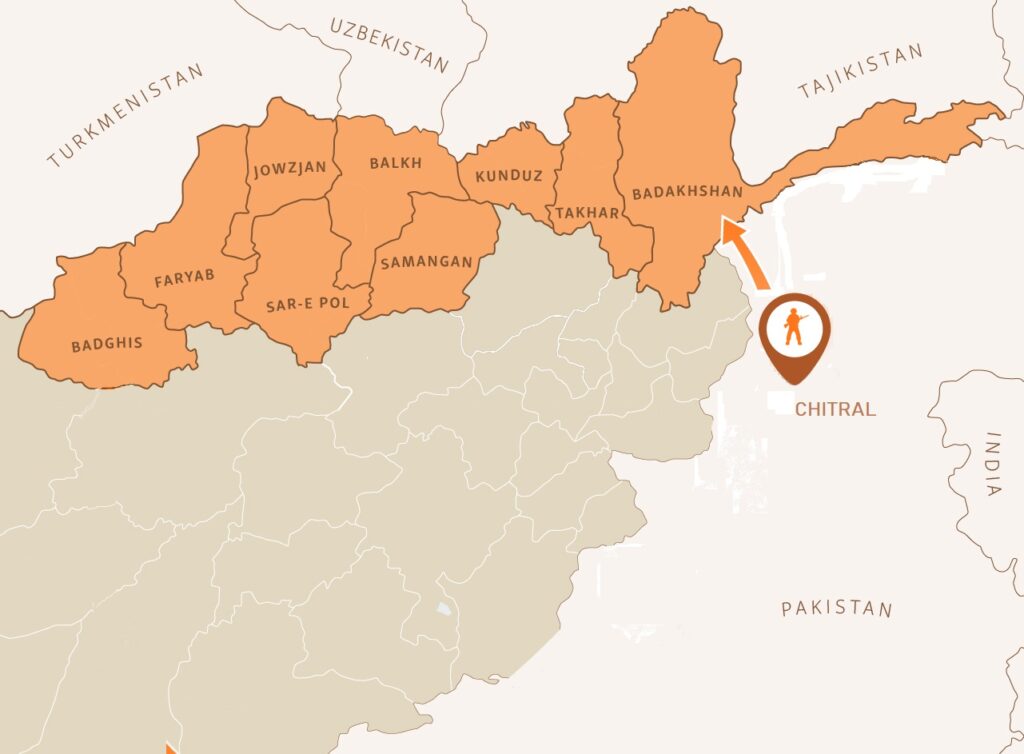
The recent temporary takeover of the Yaftal district in Badakhshan, followed by the incursion of attackers from Chitral, Pakistan, and the subsequent clashes in the Zibak district, represent more than mere isolated military actions; they signify Pakistan strategy against Taliban and an effort to recalibrate the power dynamics in Afghanistan. These events can be viewed as part of a longstanding pattern of Islamabad’s interventions in Afghanistan, which has consistently adhered to a fundamental principle: whenever the Kabul government strays from Rawalpindi’s preferred policies, the armed opposition is mobilized to apply pressure, intimidate, or even undermine it. This approach has manifested in various forms throughout history, from the era of Mohammad Daud Khan’s Republic to the communist regime, the Mujahideen government, the republican system, and now against the Taliban. This analysis delves into the facets of this strategy, emphasizing the reasons behind the selection of Badakhshan, the influence of ethnic groups, security and economic goals, and Pakistan’s historical ability to evade international repercussions.
Why revive historical tradition: From blood relations to the Taliban’s incompatibility
The behavioral paradox between the Taliban and Pakistan serves as the foundation of this conflict. The Taliban, which ascended to power on two occasions (1996 and 2021) with the backing of Pakistan, has consistently been characterized as Islamabad’s “strategic asset” against Indian influence. However, following its consolidation of power in Kabul, the Taliban’s conduct and stance on foreign policy independence shifted. Kabul’s stance towards the Tehreek-e-Taliban Pakistan (TTP) and the Taliban’s relations with India contravened Pakistan’s “deep strategic” tenets. For Rawalpindi, an autonomous Afghanistan that is linked to India and Central Asia via its territory represents a strategic encirclement of Pakistan. Consequently, by leveraging the “insurgency card” of anti-Taliban factions, Pakistan issued a caution to Kabul and Kandahar, indicating that while it had facilitated their rise to power, it also possessed the capability to undermine or topple them using the same means.
Operations Architecture: Why Badakhshan and Chitral?
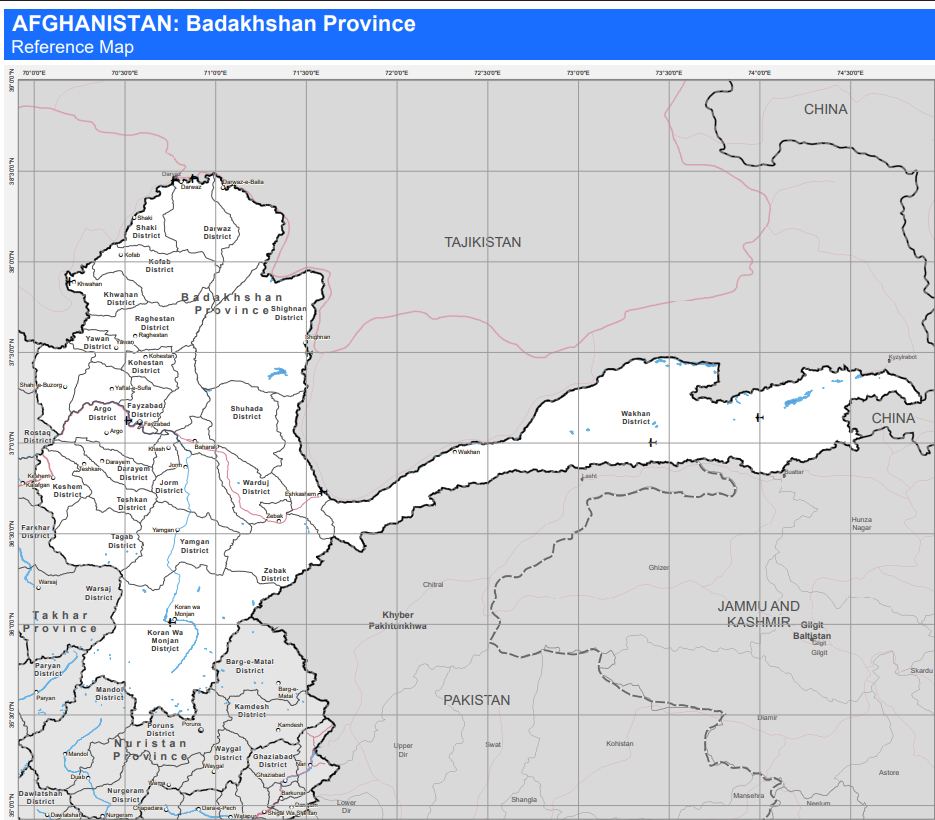
The selection of Badakhshan as the operational theater stems from a deliberate strategic assessment and is founded on three essential pillars: Geographical factors and logistical support; Badakhshan is situated next to the Chitral region of Pakistan. The rugged terrain of the Hindu Kush enables attackers to swiftly retreat to secure areas in Pakistan, thereby placing the responsibility for logistical support (including weapons and troops) on the natural geography of the area. This approach mirrors Pakistan’s previous backing of the Mujahideen and the conflict in Kashmir. Targeting the ethnic heartland of the northeast; with over 90 percent of its population comprising Tajiks and Uzbeks, Badakhshan stands in stark contrast to the Taliban’s ethnic dominance, which is predominantly Pashtun.
The operation in this area convey a distinct ethno-political message: “We stand with the marginalized ethnic groups against the discriminatory practices of Kabul.” By bolstering Tajik factions (such as the Freedom Front, Sepahian Mihan, and potentially the Resistance Front in the near future), Pakistan aims to establish a second front in the northeast, which could extend to Takhar, Kunduz, Andrab, and Panjshir, thereby fragmenting Afghanistan into multiple crisis-laden regions. There is also pressure on corridors and mines: Badakhshan serves as the entry point for significant economic initiatives. The Wakhan Corridor, crucial for linking China to Afghanistan, traverses this area. Securing this region would disrupt infrastructure investments and further isolate Afghanistan. Additionally, the abundant gold and lapis lazuli mines in Badakhshan could serve as “war chests” for the opposition, ensuring their financial autonomy from direct support from Pakistan, which would consequently lower Islamabad’s material expenditures.
Selection of proxy groups: Why Tajiks and not ISIS?
One of the most astute elements of Pakistan’s strategy lies in its meticulous choice of local actors. Islamabad recognizes that engaging with ISIS constitutes an international “red line” (particularly for the United States) and could elicit a backlash against Pakistan itself. Furthermore, ISIS lacks a viable social foundation among the Afghan populace. Conversely, Tajik opposition groups in Pakistan, which advocate for “freedom, democracy, and human rights,” possess a degree of legitimacy in the eyes of Western public opinion. By backing these groups, Pakistan establishes an “acceptable cover” for its interventions, allowing it to assert that it is championing legitimate struggles against the Taliban’s oppression, rather than contributing to instability. This represents a strategic transition from “playing rough” to “playing smart” in the context of proxy wars.
Pakistan strategy against Taliban: From Immediate Pressure to Long-Term Hegemony
Pakistan’s aims in this operation can be examined on three distinct levels. The immediate objective (short-term pressure) is to demonstrate the Taliban’s weaknesses and compel them to retreat from their positions regarding TTP and India, while also agreeing to security agreements with Pakistan. This approach serves as a means to alter Taliban conduct without necessitating direct negotiations. The intermediate objective (economic instability) is to undermine the appeal of foreign investment in Afghanistan by extending the reach of insecurity into the northern provinces, thereby crippling the economy reliant on transit. A weakened and dependent Afghanistan is likely to adopt a more compliant stance in its foreign policy. The long-term objective is to maintain Pakistan’s dominance, which will not accept a robust and centralized Afghanistan. In this context, Pakistan will assume a crucial role, reminiscent of its historical position, acting as a security guarantor and mediator, while other stakeholders will be compelled to align with the interests of Rawalpindi.
International Responsiveness and Pakistan’s Historical Immunity
Pakistan’s boldness in undertaking these actions amid global scrutiny reveals a firmly entrenched belief. Historical evidence indicates that neither US diplomatic efforts nor Security Council interventions have succeeded in altering Pakistan’s entrenched strategy. Throughout the two decades of US involvement (2001-2021), Pakistan, while benefiting from billions in military assistance, concurrently provided support to the Taliban. This contradictory behavior underscores the precedence of Pakistan’s ‘vital interests’ over any international obligations.
Related Articles
Wakhan Corridor: The intersection of interests of regional powers
Taliban opposition fronts: Why new Afghan groups emerged?
Conclusion
The situation in Badakhshan should not be viewed simply as a local conflict or a confined military operation. The events unfolding in this province, and potentially in other areas of northern and northeastern Afghanistan, can be understood through the lens of Pakistan’s strategy aimed at the Taliban to apply pressure on Kabul that is Pakistan strategy against Taliban. This strategy employs opposition groups to transform insecurity into a mechanism for influencing the Taliban’s foreign and security policy. Within this context, Badakhshan serves not as the ultimate objective, but as the initial phase of a complex pressure campaign against the Taliban and Afghanistan’s geopolitical initiatives.
The design of Islamabad is predicated on the belief that managed insecurity will hinder the emergence of an autonomous Afghanistan with transit and economic capabilities. Nevertheless, the persistence of this strategy is not solely reliant on the actions of the Taliban; rather, it will be influenced by the responses of neighboring countries, the rivalry among trans-regional powers, and Kabul’s capacity to navigate this challenge. These factors will ultimately decide if Badakhshan marks the onset of a series of security crises or if this approach, similar to certain historical instances, encounters both internal and regional impediments.