
By: A. Azizi
Analyzing Pakistan’s pattern of ISIS arrests reveals a complex intersection of regional security priorities, intelligence cooperation, and diplomatic calculations. The operational presence of ISIS-Khorasan (ISIS-K) across Afghanistan and Pakistan has emerged as a major regional security concern. Meanwhile, the detention of several operational, logistical, and media operatives linked to the group—by Pakistani security agencies or in coordination with foreign intelligence services—raises questions that extend beyond Islamabad’s conventional counterterrorism agenda.
A closer examination of these cases suggests that Pakistan’s handling of ISIS operatives is shaped not only by domestic security priorities but also by intelligence value, nationality, links to transnational plots, and the depth of bilateral cooperation. Moreover, the persistent gap between operational arrests and official disclosures points to a calculated political and diplomatic dimension in Islamabad’s approach.
Key Cases in Pakistan’s ISIS Arrests
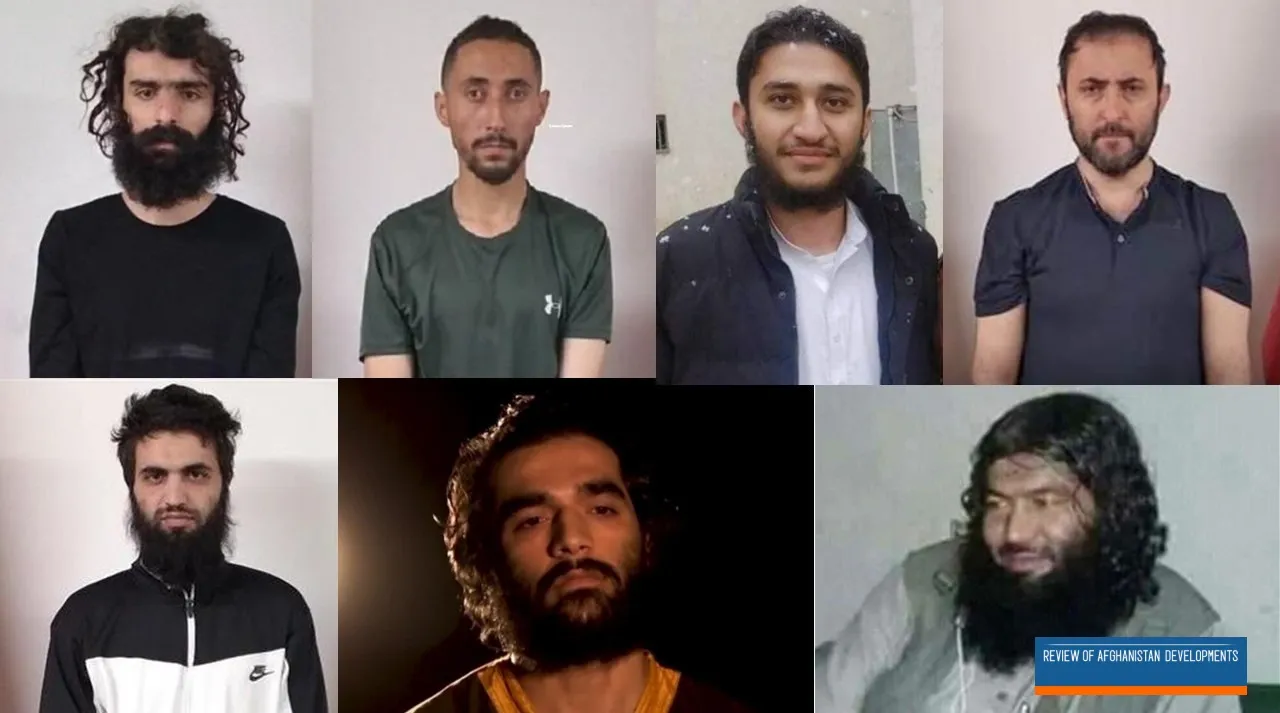
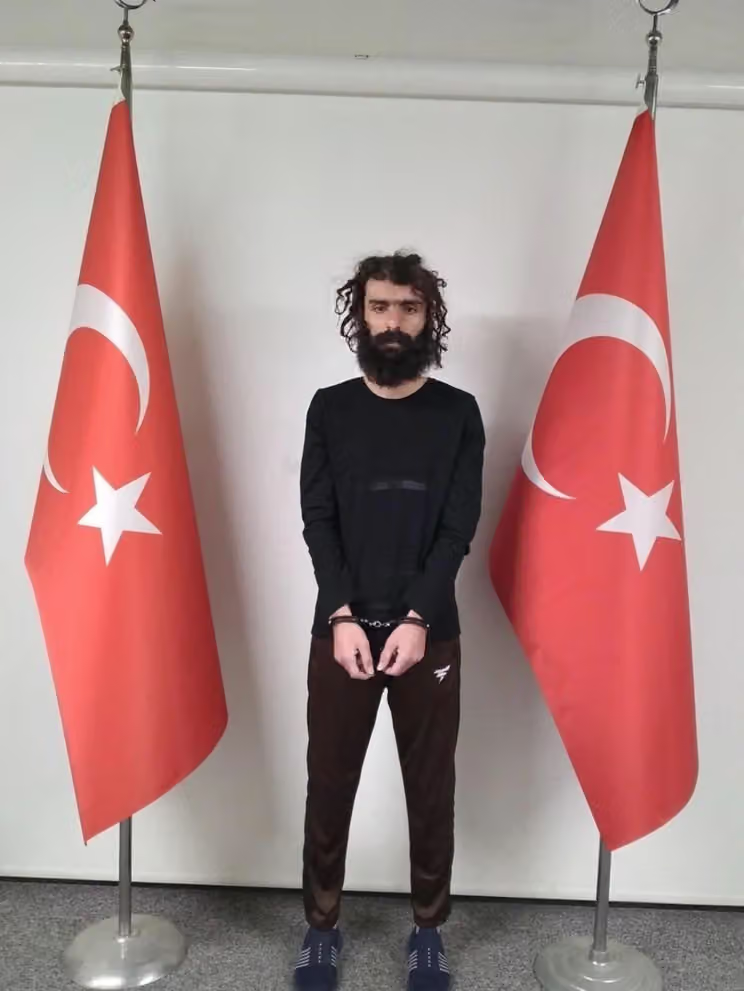
• November 2026: Ugur Bahadir, a Turkish operative embedded within ISIS-K, was extracted to Turkey following an operation by Turkey’s National Intelligence Organization (MIT). Turkish authorities confirmed his active role in regional militant camps and his facilitation of Turkish recruits funneled toward the Afghanistan-Pakistan theater. Notably, Al-Mersaad, an outlet affiliated with Afghan Taliban security organs, asserted that Bahadir had already been detained by Pakistan months prior to his handover.
• May 2026: Ahmed Kazanci (alias Abu Ubaidah), a Turkish national spearheading ISIS-K media architecture, was apprehended in Balochistan and subsequently extradited to Turkey.
• March 2026: Two Azerbaijani nationals, Kazim Ghor and Mohammad Younis, active within ISIS-K operational structures, were detained in Khyber Pakhtunkhwa.
• May 2025: Ozgur Altun (alias Abu Yasir al-Turki), a Turkish national managing recruit transit conduits from Europe and Central Asia, was apprehended along the Durand Line in a joint operation between MIT and Pakistan’s Inter-Services Intelligence (ISI), followed by his immediate repatriation.
• November 2025: Pakistani intelligence publicly broke the capture of Sultan Aziz Azzam, a founding figure of the Al-Azaim Media Foundation and chief spokesperson for ISIS-K. Azzam had effectively been detained nearly seven months earlier, but Islamabad withheld disclosure until key high-level diplomatic engagements with Washington materialized.
• January 2026: Turkish intelligence secured Muhammed Goren (alias Yahya), the administrative coordinator for ISIS-K, operating out of Pakistani territory which Ankara’s diplomatic cables diplomatically termed the “Af-Pak border zone.”
• February 2025: Pakistani authorities arrested Mohammad Sharifullah, a high-ranking operational planner indicted by the United States for orchestrating the catastrophic 2021 Abbey Gate suicide bombing at Kabul Airport—which claimed the lives of 13 U.S. service members and scores of Afghan civilians—and extradited him to U.S. custody.
• January 2025: Security circles disclosed the apprehension of three senior external operatives: Adil Panjshiri (Afghan), Abu Munzir (Tajik), and Kaka Younis (Uzbek). United Nations sanction monitoring dossiers have explicitly linked these three figures to recruitment, facilitation, and terror financing pipelines that underpinned the transnational attacks in Kerman, Iran, and Crocus City Hall, Moscow.
Foreign Intelligence Cooperation Behind the Arrests
Islamabad’s operational calculus regarding foreign combatants and individuals implicated in high-profile international strikes is heavily dictated by foreign intelligence collaboration. In these dimensions, coordinated action serves multiple ends: addressing third-party security vulnerabilities, fortifying bilateral intelligence interoperability, and extracting diplomatic goodwill.
The extradition of Mohammad Sharifullah is a quintessential case study. U.S. Central Intelligence Agency (CIA) assets provided localized telemetry, enabling Pakistani strike teams to complete the interdiction. The nascent director of the CIA had placed direct inquiries with then-ISI chief Asim Malik to prioritize the perpetrators of the Kabul airport attack. Consequently, this instance exemplifies Pakistan trading high-priority operational targets to align with core Washington counterterrorism priorities.
A similar dynamic underpins the neutralization of Adil Panjshiri, Kaka Younis, and Abu Munzir. Because their logistical cells facilitated international recruit transit and illicit terror financing, they represented primary intelligence priorities for external capitals, most notably Tehran and Moscow in the wake of the Kerman and Moscow assaults.
Turkey’s longstanding security architecture with Pakistan has likewise enabled streamlined coordination. The joint ISI-MIT capture of Ozgur Altun demonstrated high-level operational synergy targeting transnational pipelines funneling operatives from Europe into South Asia. Conversely, the unilateral optics surrounding the Ugur Bahadir episode in 2026 demonstrate that while Ankara can deploy localized assets independently, back-channel liaison with Islamabad frequently remains obscured for strategic ambiguity. The ongoing trend demonstrates how the role of foreign intelligence in arrests of ISIS members continues to evolve.
Strategic Timing: Arrests and Diplomatic Signals
The strategic lag between tactical detention and official dissemination constitutes Islamabad’s most calculated lever. The management of the Sultan Aziz Azzam dossier is instructive: apprehended in April 2025, his custody was withheld from the press until November 2025—a timeline directly converging with Islamabad’s proactive diplomatic outreach toward the incoming Donald Trump administration and pre-travel posturing for General Asim Munir’s delegation to Washington.
Such operational deferrals serve actionable diplomatic functions. Announcing the detention of an internationally designated ISIS-K chief spokesman enabled Islamabad to project counterterrorism indispensability, signal enforcement capacity along contested frontiers, and reaffirm its posture as a viable security partner for Western intelligence.
Related Articles
Why ISIS Attacks in Pakistan Are on the Rise
ISIS-K Spokesman Arrested in Pakistan: Implications for Regional Security
The Strategic Logic Behind Pakistan’s ISIS Arrests
Pakistan’s Pattern of ISIS Arrests suggests that the country’s approach to ISIS-Khorasan operatives is not determined solely by their membership or organizational rank. Rather, the intelligence, operational, and diplomatic value of each case also appears to influence the selection of targets. Individuals involved in major international attacks, connected to recruitment and financial networks, or holding the nationality of countries seeking their arrest may carry greater significance for Islamabad. Under such circumstances, detaining these individuals can not only disrupt parts of ISIS’s networks but also provide opportunities to strengthen intelligence and security cooperation with countries concerned.
On the other hand, the timing of operations and the public announcement of certain arrests are noteworthy. The case of Sultan Aziz Azzam demonstrates that Pakistan can disclose an arrest months after the operation has taken place. Such delays reinforce the possibility that announcements concerning certain arrests are also subject to political and diplomatic calculations. In this way, Islamabad can leverage an intelligence achievement at different points in time, in accordance with the needs of its foreign relations.
Accordingly, the selective nature of arrests can be examined at three levels: selecting individuals whose detention carries particular value for Pakistan or its foreign partners; determining the timing and manner of operations in accordance with intelligence capabilities and security considerations; and choosing the timing and framing of public disclosures to turn arrests into political and diplomatic gains.
About the Author: A. Azizi is a Kabul-based geopolitical and security analyst focusing on Afghan strategic affairs, regional geopolitics, and shifting transnational security dynamics. At the author’s request, their identity remains pseudonymous.