
Author: A. Shakouri
Over the past five years, the Taliban administration has executed a substantial volume of development projects in Kabul, the capital of Afghanistan. These projects encompass the reconstruction and expansion of existing roads, the construction of new thoroughfares, the implementation of flyovers at major intersections, and regulatory oversight of private construction. This scale of development projects in the city of Kabul—unfolding while Afghanistan grapples with international sanctions and economic crisis—holds profound multifaceted significance and utility.
Development Projects in Kabul: From Flyovers to Pedestrian Bridges
The infrastructure initiatives led by Kabul Municipality reflect a comprehensive civil agenda that includes bridge construction, underpasses, road widening, new road laying, and the monitoring of private high-rise buildings.
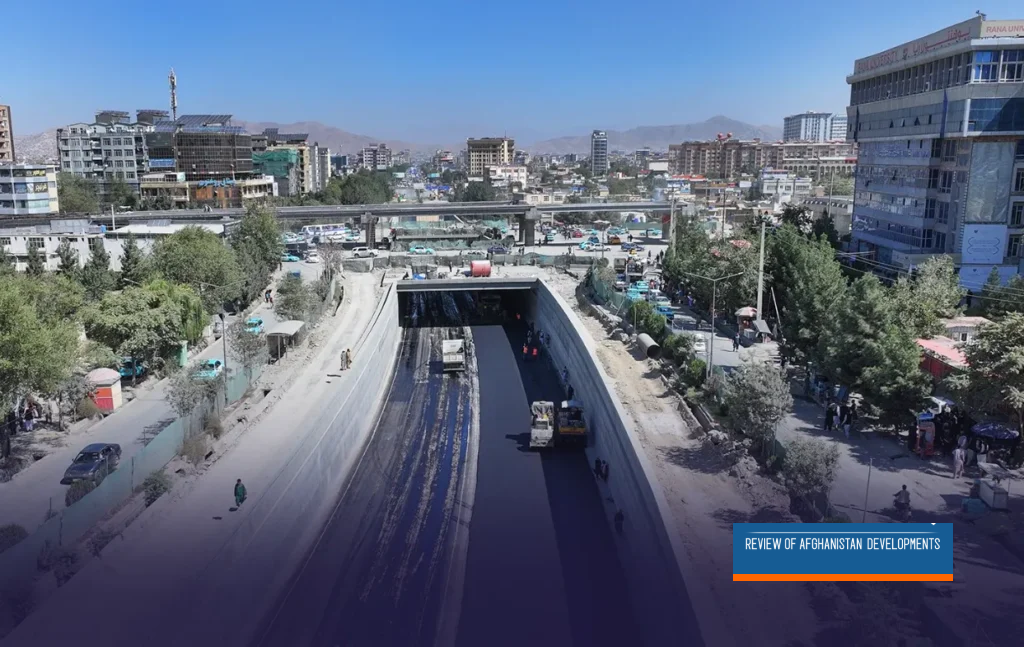
The Baraki Square project stands as Kabul’s largest traffic scheme, financed through domestic revenue with a budget of approximately 1.5 billion Afghanis (around $23 million). Comprising an underpass, an overpass, and a flyover, this three-tier initiative is scheduled for completion by the end of 1405 (early 2027). Alongside it, the Sedarat Square flyover (fronting the Kabul Provincial Government building) is currently underway; construction commenced in Jadi 1404 (December 2025) with a budget of 462 million Afghanis and is planned for completion within 15 months.
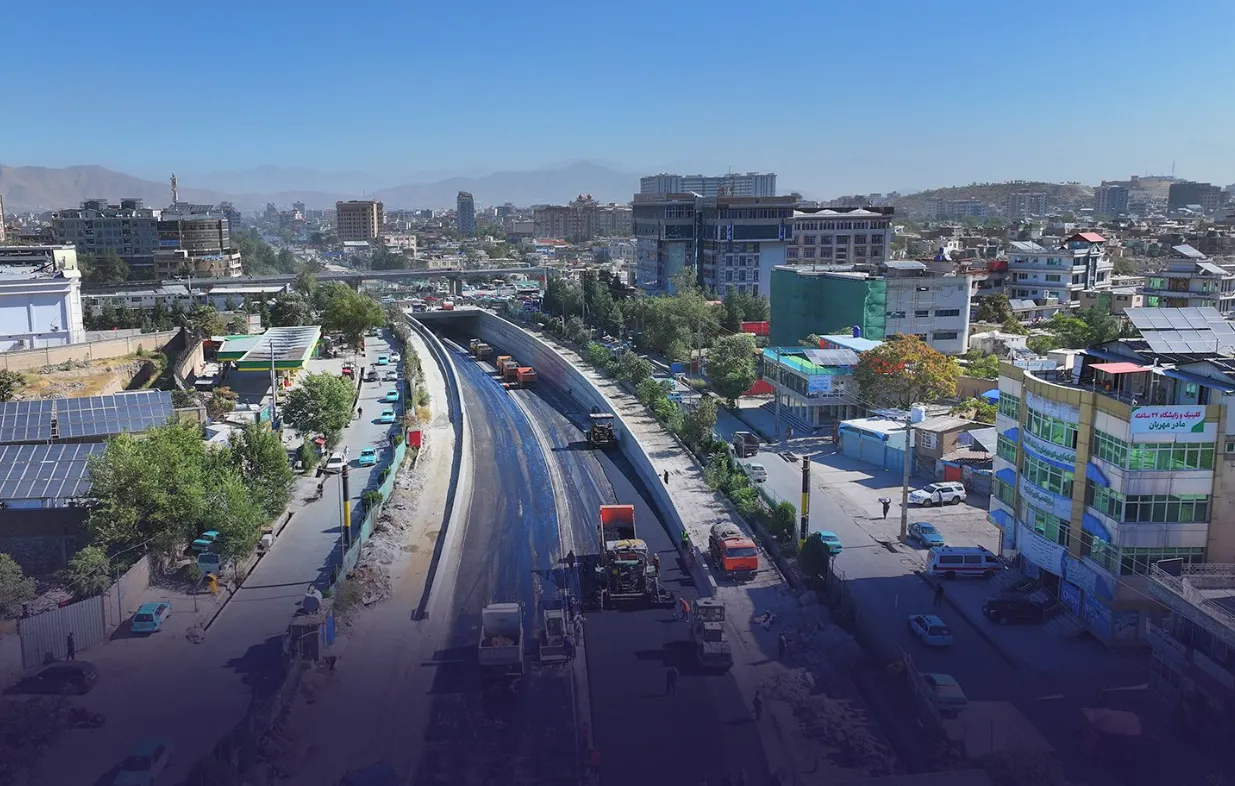
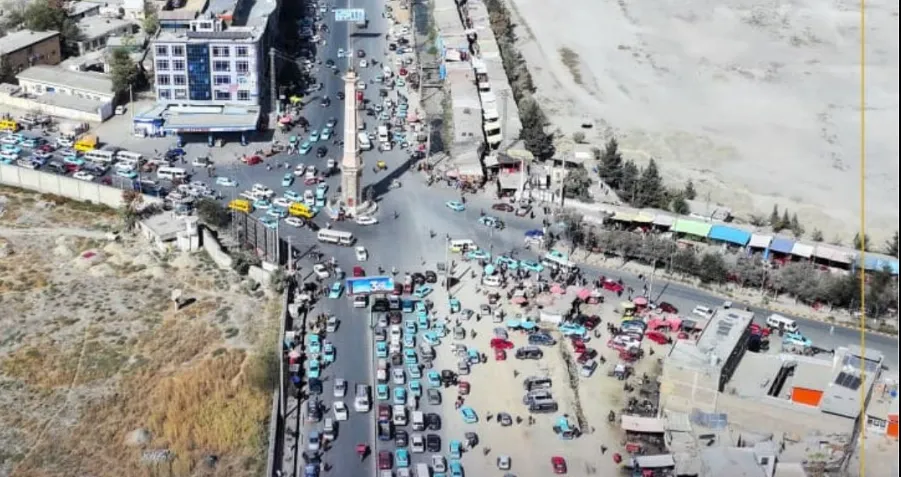
Among other development projects in Kabul is the Minar-e Nejat (Salvation Minaret) Square bridge, currently under construction. Engineered with three inbound and three outbound lanes, this 450-meter-long and 28-meter-wide flyover is designed to significantly boost vehicle throughput. In addition, Kabul Municipality has announced plans to build five more new flyovers.
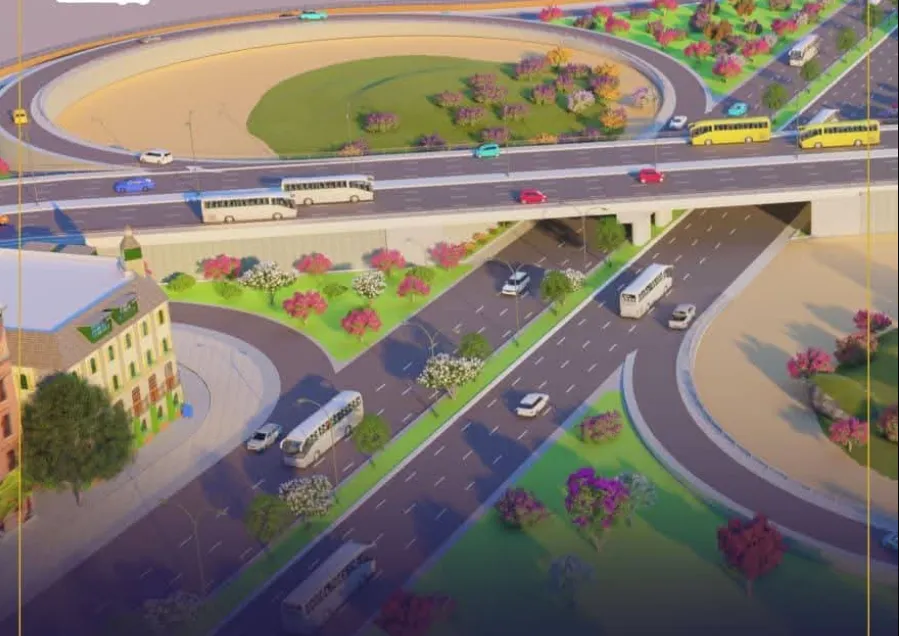
Among the finalized bridge designs, the plan for the Shahid Hangarha (Shah-e Shahid) intersection flyover is ready, with physical ground-work slated to begin this year; this project features a full-cloverleaf interchange with two flyovers, four loop ramps, and secondary connecting routes. The design for the Airport Road intersection flyover is likewise finalized; running from the Ministry of Public Health intersection toward the airport, it incorporates four loop ramps. Meanwhile, flyover schemes for Company Square and Macrorayan 3 remain in the preliminary planning and conceptual phases, with precise technical specifications yet to be released.
Footbridges have also received structured attention in the capital’s development projects. This track began with the planned construction of 10 pedestrian bridges at a cost of 47 million Afghanis (around $700,000), with 6 structures erected and operational to date. Regarding roadway works, municipal records report that roughly 500 kilometers of primary and secondary roads were constructed and approximately 400 kilometers rehabilitated over the past five years. Work is reportedly progressing on 166 road sections during 1405, requiring nearly 10,000 property acquisitions and approximately 5 billion Afghanis paid out as compensation.
High-Rise Construction in Kabul
Another pivotal dimension of Kabul’s urban landscape is municipal surveillance over private construction. Kabul Municipality has prioritized oversight of high-rise apartment construction and the containment of substandard building activity. Official figures highlight the formal review, revision, and approval of roughly 4,000 building blueprints alongside the issuance of 3,402 construction permits.
Arbitrary, unregulated vertical development long formed a primary grievance in the city. In response, municipal authorities state that building authorizations now hinge strictly on location and regulatory parameters, paired with rigorous quality-control inspections. If verified, sustained enforcement over high-rise structural integrity, story counts, and engineering codes marks a positive step for urban governance, curbing uncontrolled, chaotic, and unbalanced real-estate sprawl across Kabul.
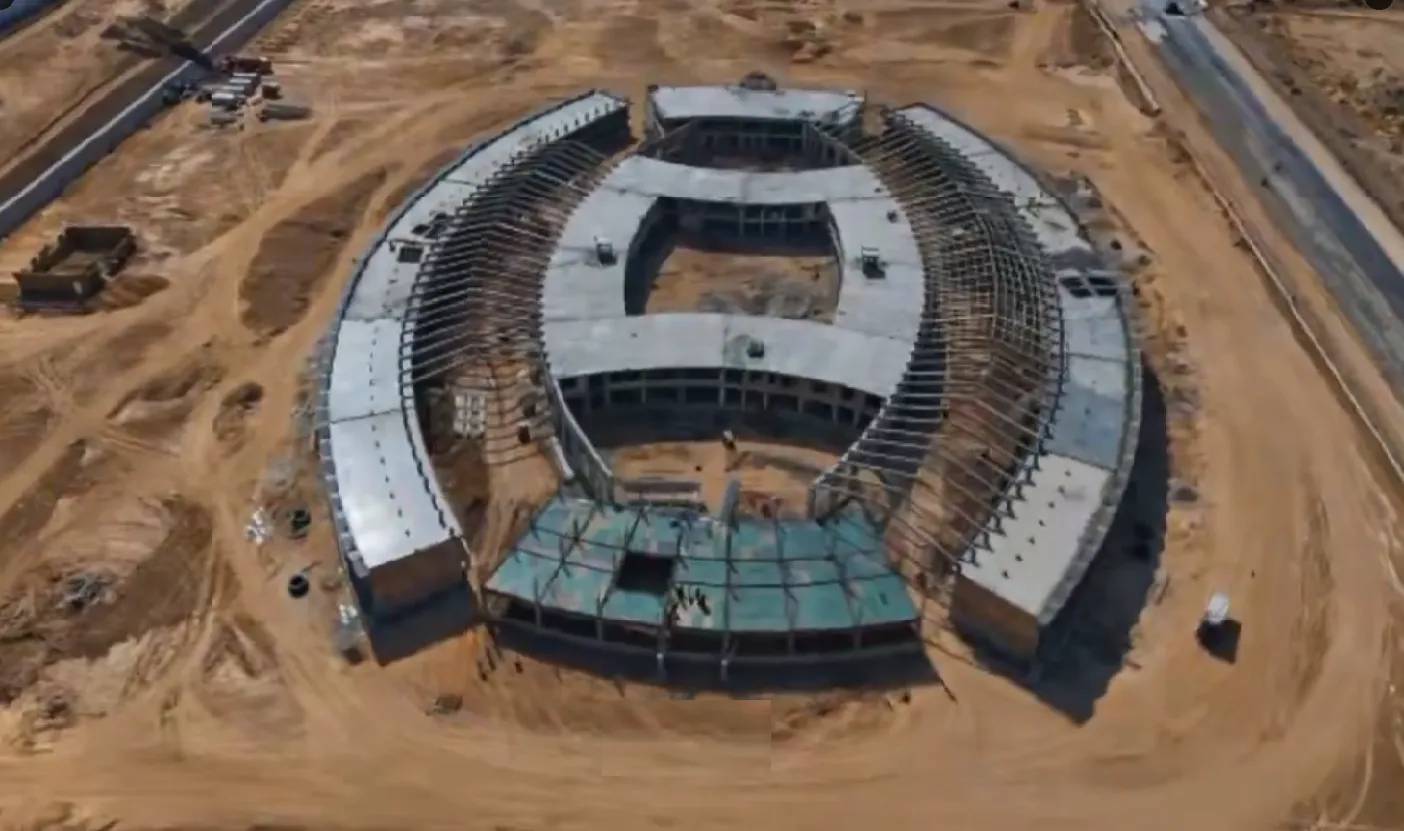
The Arghandi Passenger Terminal represents the largest passenger and cargo transport hub currently under construction in Afghanistan, engineered to international criteria.
Upon completion of this major infrastructure installation at the Arghandi Roundabout in western Kabul, intercity passenger transit bases will be relocated to this central hub. The venture is valued at over 1.285 billion Afghanis (roughly $20 million), fully funded through private-sector investment.
Development Projects in Kabul as a Political Language
Beyond the utilitarian delivery of urban infrastructure, development projects serve an objective that extends far past civil utility for an administration lacking international recognition and confronting domestic scrutiny regarding power acquisition, civil restrictions,
and the marginalization of women. In this dynamic, Kabul carries outsized weight.
The capital concentrates media outlets, international missions, diplomats, and the urban middle class. Consequently, every tangible reduction in congestion through road development, every bridge erected to mirror modern foreign capitals, and every systematized construction permit is positioned as a testament to state capacity.
Through this lens, urban public works function as a vehicle for generating output legitimacy. A commuter caught in daily traffic who finds their commute shorter, safer, or more orderly may extend pragmatic trust to the governing apparatus, even while dissenting from its political, social, or cultural doctrine. This illustrates the divide between input legitimacy and performance-based legitimacy.
Accordingly, infrastructure and development projects across Kabul must be viewed as an attempt by the Taliban administration to consolidate authority through functional competence. By altering the daily operational realities of city residents, these initiatives aim to cultivate practical cooperation and social accommodation, enabling the state to substitute demonstrable delivery for institutional mandate.
As the central showpiece of this posture, Kabul allows the authorities to exhibit administrative capability in tackling intricate urban issues—such as chronic traffic bottlenecks and unzoned construction—thereby cementing a pragmatic transaction between citizen and authority. Urban civil works in the capital are not mere public works; they are an engine of output legitimacy and governance stabilization, explaining why the Taliban administration has elevated Kabul’s reconstruction into a core policy pillar over the last five years.
Related Articles
Reconstruction of Kabul’s Roads: A New Facade of Capital
Dasht-e-Barchi: From traffic jam to Urban Transformation
Conclusion
The Taliban administration’s development projects in Kabul—ranging from hundreds of kilometers of road building and resurfacing to flyover engineering and building regulation—illustrate an active commitment to upgrading municipal infrastructure and mitigating routine urban strains.
In an environment constrained by international sanctions, liquidity shortages, and broad economic stagnation, deploying this volume of development projects via internal revenue highlights technical execution and operational willpower. By streamlining transit routes, curbing bottlenecks, structuring public spaces, and regulating unsafe developments, these actions influence the everyday routines of capital residents, projecting an image of administrative functionality.
Prioritizing Kabul as the nation’s political and physical showcase serves an essential symbolic objective alongside traffic remediation: asserting that the administration can preserve security while simultaneously organizing modernization and material progress. Consequently, development projects in Kabul operate as an anchor for reinforcing governance and securing public compliance. Sustaining this trajectory, expanding comparable initiatives to remaining provinces, and maintaining strict execution transparency will remain critical to solidifying functional legitimacy and building a durable narrative of operational governance.
A. Shakouri; Kabul-based Afghan Affairs Analyst.