
Review of Afghanistan developments
Turkey and Afghanistan’s relationship traces back to the political ties of the early 20th century. The two countries signed a friendship and alliance treaty in 1921, and under King Amanullah Khan, cooperation expanded across education, military affairs, medicine, and administration — to the point that Turkish specialists across various fields were present in Afghanistan between 1932 and 1960. That cooperation continued until the Soviet occupation of Afghanistan in 1979. During the Cold War and the Soviet occupation, Turkey’s active presence was effectively curtailed, but even through Afghanistan’s civil war years and the Taliban’s rise, Ankara maintained a limited diplomatic channel with Kabul that laid the groundwork for Turkey’s return after 2001. This history helped establish Turkey’s image as one of Afghanistan’s historical partners and shaped the continuity of Turkey in Afghanistan in later periods.
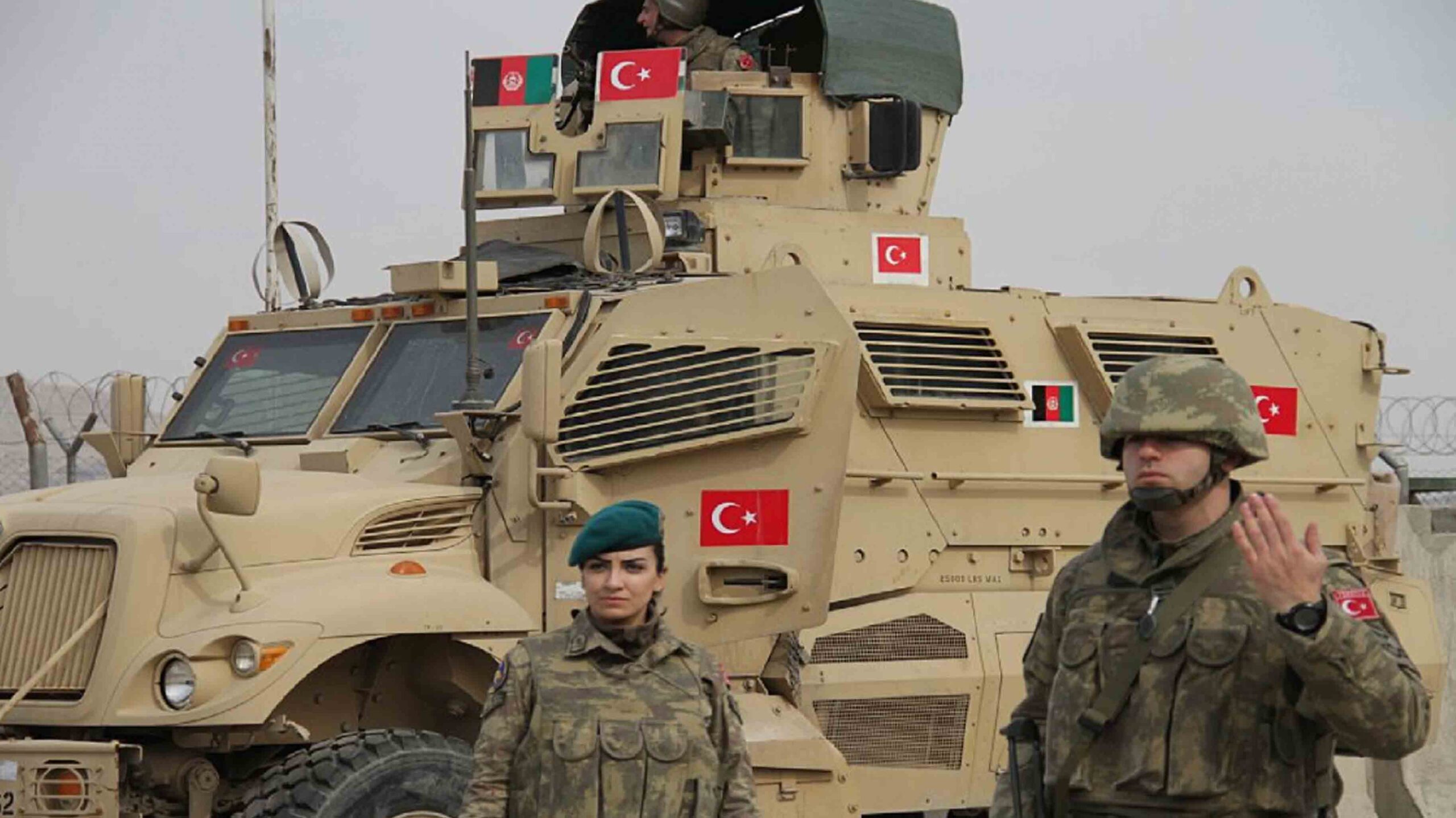
After 2001, Turkey’s presence in Afghanistan grew more prominent again, this time within NATO’s mission framework. Turkey was one of the few Muslim-majority NATO members to deploy troops under that framework, which let Ankara play a role distinct from other coalition members and, alongside its security cooperation, cemented its position as a cultural bridge between the Western world and Afghan society. Over time, this presence gradually moved beyond a purely security framework, and various Turkish institutions took on a growing role in areas like education, infrastructure reconstruction, restoring historical sites, humanitarian aid, and cultural activities. When NATO forces withdrew and the Taliban returned to power in 2021, the military component of Turkey’s presence effectively ended — but unlike many other international actors, Turkey’s non-military, political, and cultural activities in Afghanistan continued.
Why Afghanistan Matters to Turkey
Geopolitical: Afghanistan’s geopolitical importance to Turkey is tied partly to the Turkic-speaking populations living in the country, which feeds into Ankara’s ideological goals. Through its cultural and linguistic presence and ethnic ties with Turkic communities (Uzbeks and Turkmens), Turkey seeks to expand its soft influence and cement its standing among the Turkic-speaking states of Central Asia, Afghanistan, and the country’s other ethnic groups — particularly in northern Afghanistan. Engaging with Afghanistan also lets Ankara extend its geopolitical footprint from Central Asia into South Asia, positioning Turkey for a more active role in the region’s affairs — one of the strategic threads running through Turkey in Afghanistan. At the same time, it can strengthen Ankara’s regional maneuvering room against its rivals — reviving the Lapis Lazuli corridor, for instance, could offer an alternative to some Iran-dependent transit routes.
Economic: Afghanistan’s market, its agricultural capacity and mineral resources, and its need for infrastructure and investment all create openings for Turkish trade, investment, and business activity. Turkey’s participation in the Lapis Lazuli corridor sharpens this significance further, since the route could connect Afghanistan and Central Asia to European markets via the Caspian and the Caucasus. From this angle, Afghanistan functions for Ankara as a link in developing broader trade and transit ties.
Cultural and ideological: Unlike Afghanistan’s deep cultural and historical ties with other neighbors — Iran in particular — Turkey has worked with the limited openings available to it, using religious commonalities and linguistic and ethnic ties with parts of Afghan society to highlight and build on its historical connections with the country across various fields, creating fertile ground for expanding its cultural and political influence. These factors have shaped Turkey’s approach in Afghanistan and, alongside pan-Islamic and pan-Turkic discourse, round out the picture of Turkey in Afghanistan.
Pan-Turkism and Pan-Islamism
Turkish foreign policy under the Justice and Development Party shows an intertwining of geopolitical interests with identity elements. Within this framework, pan-Turkism and pan-Islamism serve as two complementary pillars in expanding Turkey’s ties with Afghanistan. Pan-Turkism, emphasizing shared language, history, and culture, seeks to strengthen Turkey’s bond with Afghanistan’s Turkic communities — especially Uzbeks and Turkmens — and build a network of cultural and elite-level ties with these groups. Pan-Islamism, by contrast, grounded in the legacy of Ottoman caliphate thinking, extends this connection beyond ethnic lines, using shared religion to open the door to Turkey’s social and cultural influence across a much broader swath of Afghan society. Invoking shared historical and religious heritage also lets Turkey redefine its presence as a bridge connecting the Turkic world, the Islamic world, and Afghanistan.
Even so, these discourses aren’t an independent cause of Turkey’s presence — they’re frameworks that give Ankara’s strategic interests political, social, and cultural depth. From there, both discourses connect to cultural, educational, and social tools, laying the groundwork for soft power as a defining feature of Turkey in Afghanistan.
Turkey in Afghanistan: From Military Presence to Soft Power
The shift in Turkey’s presence in Afghanistan had begun before 2021, but it became more visible once NATO’s military mission ended, as areas like education, development, culture, humanitarian aid, and institutional outreach took on a larger role. The advantage of these areas for Turkish foreign policy is that, unlike a military presence, they aren’t necessarily tied to a specific security or political structure, which lets Turkey maintain ties with Afghan society even through periods of political change.
The logic behind this shift can be explained through the concept of soft power. Educational and cultural activities enable direct, sustained contact with individuals and social groups, turning into tools for preserving and expanding social reach, and pushing Turkey in Afghanistan’s relationship beyond formal state-to-state interaction. Schools, scholarships, cultural programs, and development projects aren’t simply service-delivery tools — these activities can lay the groundwork for human networks, elite-level ties, and social bonds between the two countries.
The operational mechanisms behind this presence can be grouped into four main areas:
● Education: The Turkish Maarif Foundation, Turkish-Afghan schools, and scholarship programs connect Afghan students with Turkish educational institutions, laying the groundwork for Turkey in Afghanistan’s long-term educational and human ties
● Humanitarian and development aid: TIKA and the Turkish Red Crescent have worked in areas like health, reconstruction, and humanitarian assistance, tying Turkey’s presence to the everyday, social needs of Afghan society
● Cultural and linguistic diplomacy: The Yunus Emre Institute, through language instruction and cultural programming, transfers elements of Turkish culture and builds direct ties between Afghan society and Turkish cultural institutions
● Media and popular culture: Turkish TV series and cultural products have helped spread the country’s image and cultural narratives across Afghanistan’s public sphere — though reception varies across different audience groups, and its impact shouldn’t be assumed to be uniform or certain
Together, these tools have extended Turkey in Afghanistan beyond formal state relations into a network of educational, cultural, humanitarian, and social ties — a channel through which Turkey has managed to preserve and deepen its connection with Afghan society.
Related Articles
Turkey’s Goals in Hosting the Taliban Ambassador
Conclusion
A look at Turkey in Afghanistan shows it has evolved from a largely military-security model into a multi-layered one, in which geopolitical, security, and economic interests are interwoven with identity elements and cultural and social tools. Within this framework, Afghanistan’s geopolitical position, its economic potential, and security considerations form the structural foundation of Turkey’s presence, while religious and cultural ties and the identity-driven approach of Justice and Development Party foreign policy give that presence its meaning and direction.
One of the most important features of this model is its institutional capacity to endure through political change. The continuity of various institutions’ activity after 2021 shows that part of Turkey’s presence has managed to reduce its dependence on military and political structures, preserving its influence through education, culture, humanitarian aid, and social ties with Afghan society instead. Seen this way, Turkey’s soft power isn’t limited to delivering cultural or educational services — it can build a network of social and human ties with the long-term potential to become cultural, social, and even political capital in Turkey’s favor.
At the same time, the overlap between cultural function and geopolitical goals is one of the defining features of Turkey in Afghanistan. Teaching the Turkish language and culture, educational activities, and an emphasis on shared history and religion help build social bonds with the host society on one hand, and on the other, can lay the groundwork for networks of human, economic, and diplomatic ties. Even so, the institutional continuity of these activities alone shouldn’t be equated with success or broad acceptance of Turkish policy within Afghan society; its actual impact depends on the type of activities, the social groups they reach, and how the host society interprets Turkey’s goals.
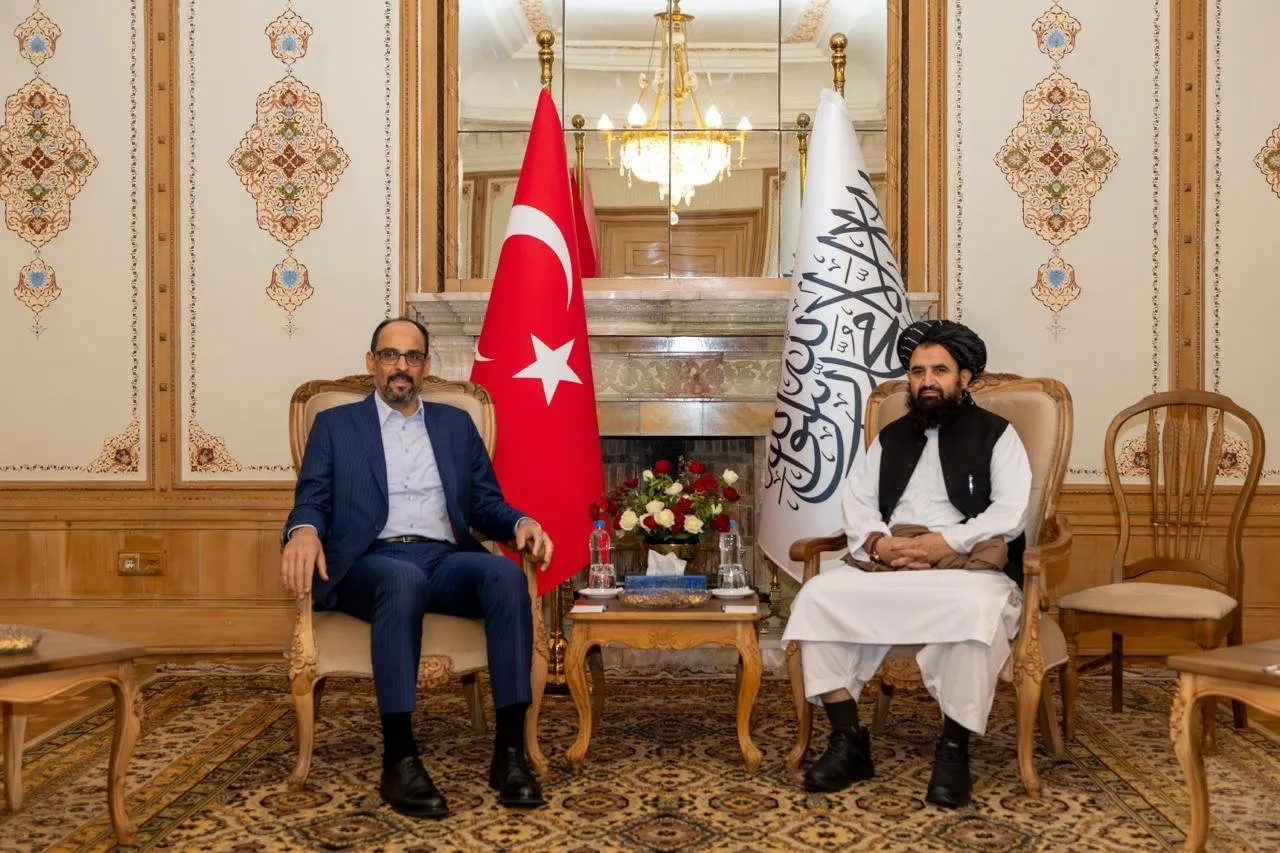
Altogether, what sets Turkey in Afghanistan apart from other regional players is a threefold combination of capacities that lets Ankara pursue its foreign policy goals: clear strategic interests, including expanding influence in Central Asia and containing rivals; ideological tools, through pan-Turkic ties with Uzbeks and pan-Islamic ties with the Taliban; and pre-existing institutional infrastructure, such as Maarif Foundation schools and TIKA. This combination turns soft power into a vehicle for advancing Turkey’s strategic interests — one that, as the costs and risks of direct military intervention rise, allows Ankara to pursue those interests at lower cost and through channels that carry greater social legitimacy.