
Review of developments in Afghanistan
Growing engagement between neighboring countries and regional powers with the Taliban government had reinforced the impression that the path to recognizing the Taliban had entered a new phase. That was especially true after Russia recognized the Taliban government and some Central Asian countries eased legal restrictions against the group — expectations grew that the process of recognizing the Taliban would gradually move beyond bilateral relations and lead to a more formal Taliban presence in regional institutions.
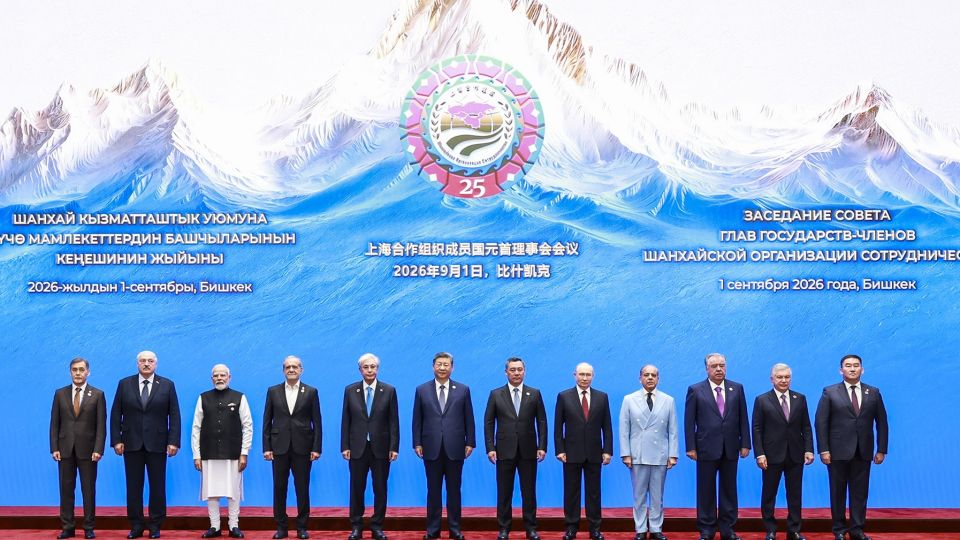
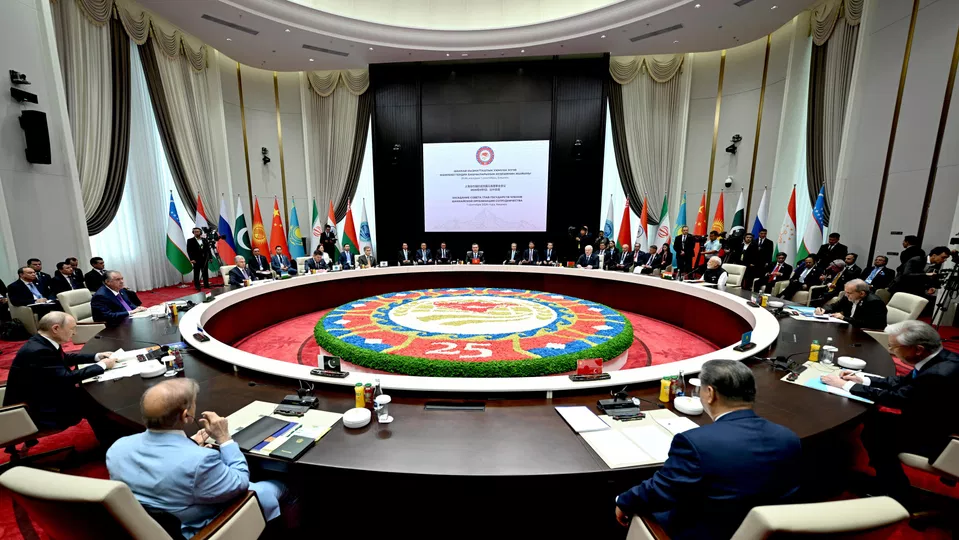
In that context, the Shanghai summit 2026 in Bishkek, Kyrgyzstan, could have been one of the most important tests of that trend. Afghanistan isn’t a full member of the Shanghai Cooperation Organization, but it has taken part in the organization’s meetings since its early years, and was granted observer status in 2012. On that basis, many expected that as regional countries deepened engagement with the Taliban government, a Taliban representative would also attend this year’s gathering in Bishkek.
But contrary to that expectation, the Taliban wasn’t invited to the Shanghai summit 2026. That raises an important question: if regional countries are increasingly engaging with the Taliban government, why hasn’t that engagement yet translated into recognizing the Taliban and formally accepting it into regional structures?
The answer shows that a significant gap still exists between practical engagement with the Taliban and the Taliban government’s political recognition.
The Shanghai Summit 2026 and the Question of Recognizing the Taliban
The Taliban’s exclusion from the summit can’t be treated as a mere procedural or administrative decision. The Shanghai Cooperation Organization is one of the region’s most important political, security, and economic frameworks, and how it handles the Taliban government can reflect regional powers’ broader attitude toward Afghanistan’s future.
In recent years, SCO member states — particularly Afghanistan’s neighbors — have expanded ties with the Taliban. Border security, fighting armed groups, trade, transit, and access to Afghanistan’s economic resources have all pushed these countries toward engaging with the Taliban.
Even so, this growing engagement doesn’t mean the process of recognizing the Taliban has moved at the same pace. This year’s summit makes that gap clear: regional countries may accept the Taliban as a necessary party for resolving Afghanistan’s problems, without that acceptance meaning they recognize the Taliban government as Afghanistan’s legitimate, lawful government.
Why Is Recognizing the Taliban Still So Difficult?
The biggest obstacle to recognizing the Taliban remains how the group’s government was formed and how it operates. Over the past five years, the Taliban has built working relationships with a significant number of regional countries, but it still hasn’t earned the trust needed for broad political acceptance.
The Taliban government’s internal structure, limited political participation, the absence of an inclusive government, and the Taliban’s domestic policies are among the factors keeping questions about its legitimacy alive at both the regional and international level.
The Taliban government considers securing Afghanistan’s borders, preventing armed groups from operating, and expanding economic cooperation with regional countries among its most important achievements. These achievements undoubtedly matter to neighboring states, but in the view of many governments, security and economic cooperation alone can’t substitute for the criteria needed to recognize the Taliban government. That’s why the gap between engaging with the Taliban and recognizing the Taliban persists.
Engaging with the Taliban Without Recognizing Its Government
One of the most important realities of regional policy toward Afghanistan is that countries have drawn a clear line between engaging with the Taliban and recognizing the Taliban government.
Many regional countries’ bilateral relations with Kabul have formed out of practical necessity. To secure their own borders, counter terrorist threats, protect trade routes, and manage migration and other shared concerns, these countries have little choice but to maintain contact with the Taliban government.
But bilateral engagement doesn’t necessarily mean recognizing the Taliban.
Even if a country hands its Afghan embassy over to Taliban representatives, or negotiates with Taliban officials on security and economic matters, that doesn’t necessarily amount to formally recognizing the Taliban government. In international law and international relations, there’s a distinction between accepting a government as a practical party to engagement and granting it political and legal recognition.
Seen this way, the Shanghai summit 2026 is a clear example of exactly this policy. The Shanghai Cooperation Organization and its members can cooperate with the Taliban on security and economic matters while simultaneously withholding a higher political status from its government.
What Message Does Excluding the Taliban From the Shanghai Summit Send Kabul?
The Taliban’s exclusion from the Bishkek summit can be read as a message about the limits of the process of recognizing the Taliban.
In recent years, the Taliban government has tried to break out of political isolation by building closer ties with regional countries. Expanding relations with China, Russia, the Central Asian states, and other Afghan neighbors has been part of that strategy. Even so, the absence of broad recognition shows that economic and security ties still haven’t been able to fill the gap left by political legitimacy.
The message of this exclusion for the Taliban is clear on this front: building economic ties, securing borders, and cooperating with regional countries alone isn’t enough to gain entry into the region’s political and diplomatic structures.
Pakistan’s Role in the Taliban’s Exclusion From the Shanghai Summit
In examining this year’s SCO summit and how the organization has handled the Taliban government, Pakistan’s role is also worth noting. Pakistan is a major regional player with direct, extensive ties to Afghanistan and the Taliban, and developments in Afghanistan have a direct impact on Pakistan’s own security and interests.
Pakistan needs to engage with the Taliban government to manage security and border issues, while at the same time, within the framework of its own regional interests, trying to manage Afghanistan’s affairs in a way that doesn’t conflict with Islamabad’s security concerns.
Pakistan’s upcoming rotating chairmanship of the Shanghai Cooperation Organization could also increase the country’s influence over the organization’s priorities. For that reason, Pakistan’s role in shaping the region’s approach to Afghanistan can’t be ignored.
Could the Lack of Recognition Push the Taliban Toward the West?
One important question after the Shanghai summit 2026 is whether the continued distance between the Taliban and regional organizations could push Kabul toward the West, particularly the United States. This question matters because Amir Khan Muttaqi, the Taliban government’s foreign minister, recently called for political and economic engagement between Washington and Kabul.
Such a shift looks unlikely in the short term. The Taliban government doesn’t just face restrictions on recognition among some regional countries — it faces even more serious obstacles in its relations with Western countries.
The absence of an inclusive government, sweeping restrictions on women and girls, and other political and human rights disputes remain among the biggest obstacles to Western countries recognizing the Taliban government.
So this exclusion won’t necessarily push the Taliban government toward the West. The Taliban may expand ties with various countries to ease political pressure, but the existing constraints on its relationship with the West remain in place.
The Future of Taliban-SCO Relations
Despite the Taliban’s exclusion from the Shanghai summit 2026, it would be wrong to conclude that the Shanghai Cooperation Organization intends to cut off engagement with Afghanistan. On the contrary, Afghanistan’s importance for regional security, counterterrorism, trade, transit, and connecting Central and South Asia remains as strong as ever.
The core issue is that the Shanghai Cooperation Organization draws a distinction between two levels of relationship with Afghanistan: the first is practical cooperation with the government in Kabul; the second is political acceptance and granting the Taliban government formal status. That’s why the organization’s engagement with the Taliban may keep growing in the years ahead, without that engagement necessarily leading to recognizing the Taliban.
How this plays out going forward will depend, above all, on the Taliban’s own conduct, the government’s domestic policies, how it engages with its neighbors, and how far it’s willing to go in meeting the standards the international community expects.
Related Articles
SCO Summit 2025: Perspective on World Order and Afghanistan
Tehran Summit: Redefining Afghanistan’s Regional Role
Conclusion
The Shanghai summit 2026 showed that deepening ties between regional countries and the Taliban government doesn’t necessarily mean simultaneous movement toward recognizing the Taliban. Even though the Taliban has managed to expand its economic, security, and diplomatic ties with many regional countries, that engagement still hasn’t led to broad recognition of the Taliban government.
The Taliban’s exclusion from the summit should be analyzed within this same framework. The Shanghai Cooperation Organization and its member states need to engage with Kabul for security and economic reasons, but they draw a clear line between that engagement and withholding recognition of the Taliban as a government with political legitimacy.
Seen this way, the core message of the Shanghai summit 2026 for the Taliban is that the path to recognizing the Taliban doesn’t run through expanding economic ties and securing the region alone. Until meaningful change occurs on the structure of government, political participation, women’s rights, and other contested issues, the gap between engaging with the Taliban and formally recognizing the Taliban government will persist.