
Review of Afghanistan developments
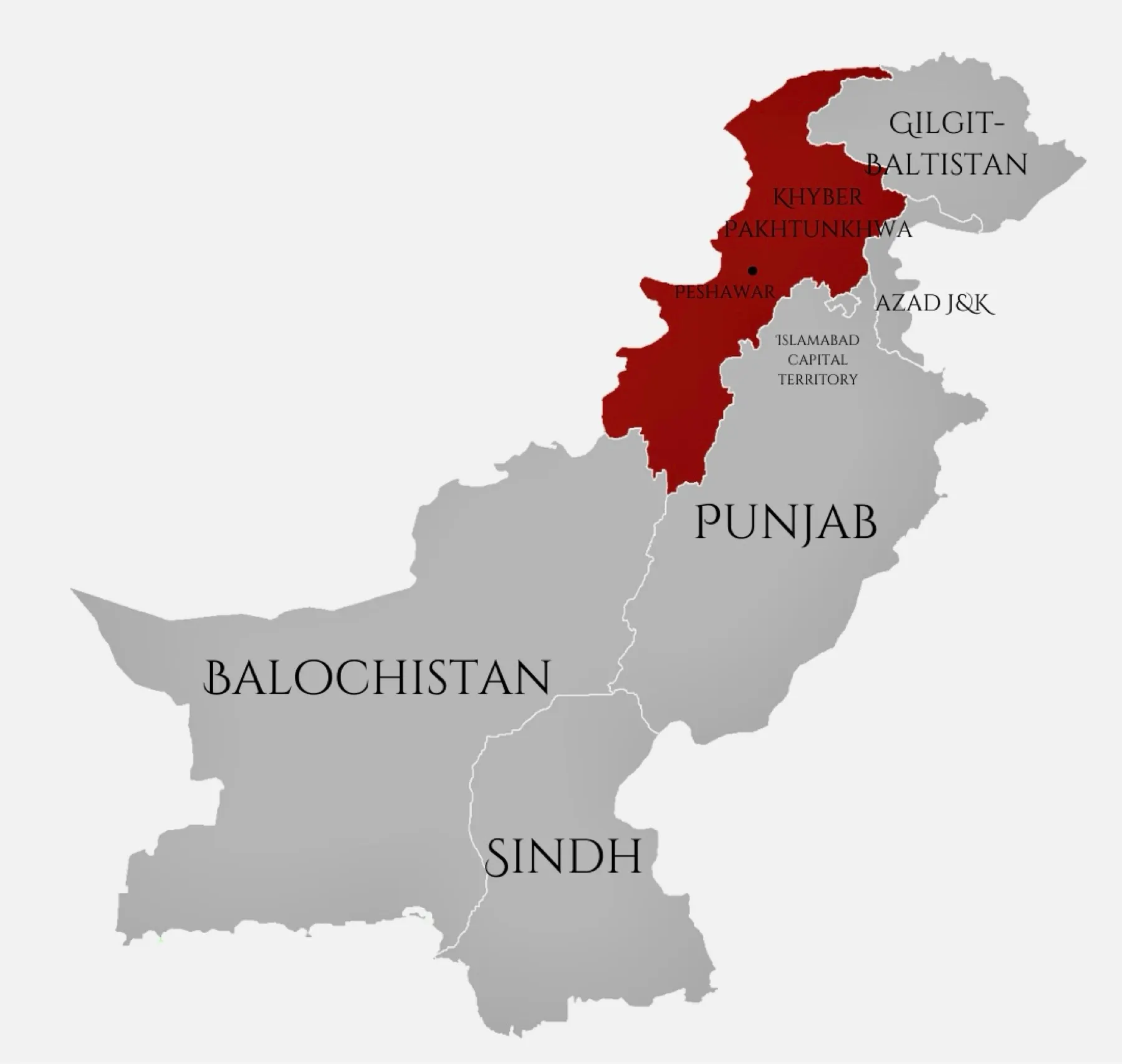
The Pakistani central government’s declaration of a “state of emergency” in Khyber Pakhtunkhwa can be examined as more than an administrative measure or a response to insecurity in the province. The decision, which comes amid the federal government’s confrontation with Pakistan Tehreek-e-Insaf (PTI) and escalating tensions with the Afghan Taliban authorities, raises an important question: Is Pakistan’s establishment laying the groundwork for a political and security restructuring of Khyber Pakhtunkhwa to implement a broader strategy toward Afghanistan?
Examining this hypothesis may help explain aspects of the recent declaration of a state of emergency in Khyber Pakhtunkhwa (KP) that cannot be fully understood through the official explanations of counterterrorism or efforts to contain PTI alone. The removal of the provincial government’s authority and the appointment of new officials by the federal government would give the central government considerable political and security leverage.
Khyber Pakhtunkhwa’s State of Emergency: More Than an Effort to Contain a Political Rival
Khyber Pakhtunkhwa was the last major stronghold of a provincial government led by Pakistan Tehreek-e-Insaf (PTI). Transferring the administration of the province to the governor and a 13-member advisory council backed by the federal government would shift the balance of power between Islamabad and the provincial government, regardless of the decision’s initial motivations. This change would allow the center to pursue administrative and security coordination across Khyber Pakhtunkhwa with no resistance from the provincial government.
From this perspective, weakening PTI could be a direct consequence of the intervention. The strategic question, however, is whether this is the decision’s ultimate objective or merely a prelude to a broader transformation in how the region is governed.
If the sole objective is to restrict the power of the rival Pakistan Tehreek-e-Insaf party, the changes would be expected to remain largely within the realms of political management and administrative control. If, however, the objective extends to restructuring the security apparatus, changes would also be expected in the relationships among the governor’s office, intelligence agencies, the military, and local power networks.
Developments reported in the hours immediately following the declaration of a state of emergency in Khyber Pakhtunkhwa suggest that the changes extend beyond political administration. The deployment of army personnel in the province indicates that a restructuring of the security apparatus may be under way.
Under this scenario, declaring a state of emergency in Khyber Pakhtunkhwa could serve two purposes simultaneously. On the one hand, it could strengthen the federal government’s position against PTI. On the other, it could facilitate the implementation of more coordinated security policies in the border region. These functions are not mutually exclusive and could even reinforce one another.
Khyber Pakhtunkhwa: A Platform for Pakistan’s Establishment to Pursue a New Afghanistan Strategy
This hypothesis becomes more significant when developments in Khyber Pakhtunkhwa are examined in the context of growing tensions between Pakistan and the Afghan Taliban authorities. Disagreements over the activities of Tehrik-i-Taliban Pakistan (TTP), responsibility for cross-border attacks, and border security management have pushed relations between Islamabad and Kabul beyond the level of conventional disputes between neighboring countries.
At the eighth Moscow Format meeting, held in Russia in Mehr/Mizan 1405 (September–October 2026), Amir Khan Muttaqi, the Taliban authorities’ foreign minister, stated that Pakistan had placed a project to destabilize Afghanistan on its agenda, allegedly involving former Afghan military personnel and Islamic State Khorasan Province (ISKP).
Meanwhile, reports have emerged concerning the presence of former Afghan military personnel and security forces on Pakistani soil. According to multiple reports, armed groups opposed to the Taliban have entered the Afghan provinces of Badakhshan and Nuristan from the Chitral region of Khyber Pakhtunkhwa.
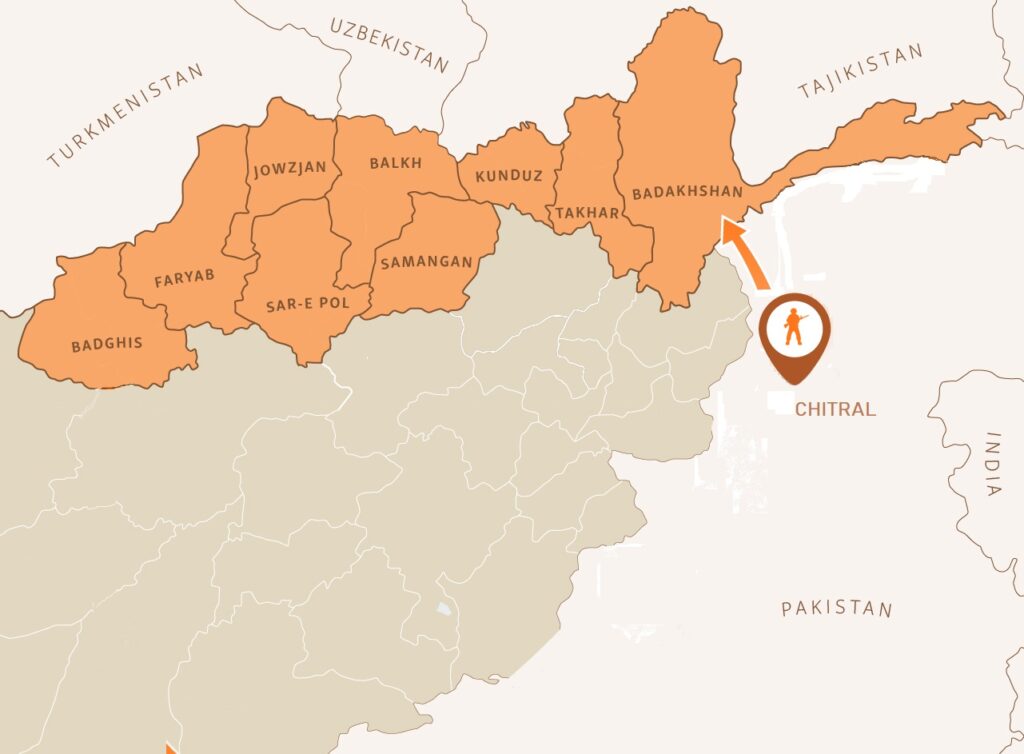
These statements and reports suggest that the security rivalry between Pakistan and Afghanistan has entered a phase in which military networks, former Afghan personnel, and the alleged use of proxy groups have become part of the political conflict between the two countries. In this environment, changes to Khyber Pakhtunkhwa’s security structure could have implications extending well beyond the province’s internal administration.
Under this hypothesis, Pakistan’s establishment may have concluded that managing its confrontation with the Taliban authorities requires more coherent political and administrative control over border regions, alongside diplomatic and military instruments.
In such circumstances, an independently governed provincial administration in Khyber Pakhtunkhwa could constrain the coordination and implementation of the establishment’s new policies, particularly if social, religious, or political ties exist between the provincial government and the Taliban authorities.
Conversely, installing political administrators trusted by the federal government in Khyber Pakhtunkhwa could improve coordination and facilitate the implementation of policies determined in Islamabad.
The next stage could involve changes to security command structures, coordination among intelligence agencies, the management of local forces, and control over border routes. At a broader level, such an arrangement could give Pakistan’s establishment an opportunity to redefine the instruments of pressure it uses against the Taliban authorities.
Within this framework, the declaration of a state of emergency in Khyber Pakhtunkhwa could have two potential consequences:
– First, political consolidation: Removing the provincial administration from PTI’s control and reducing the party’s political and executive power.
– Second, security restructuring: Creating greater capacity to reorganize the province’s security arrangements, particularly in relation to the Taliban authorities in Afghanistan.
Related articles
Why Badakhshan Became Pakistan’s Anti-Taliban Front
The future of Afghanistan and Pakistan tension
Conclusion
The coincidence of changes to Khyber Pakhtunkhwa’s administrative structure and escalating tensions between Islamabad and Kabul raises the possibility that the province is becoming a site of political and security engineering. The purpose of this hypothesis is to examine the direction in which subsequent developments may move.
Should the declaration of a state of emergency in Khyber Pakhtunkhwa be viewed primarily as an effort to consolidate power within Pakistan, or could it form part of a broader transformation that may also affect the country’s strategy toward Afghanistan?
The declaration comes at a time when the international system’s attention is focused on two major crises: the conflict in West Asia and the war in Ukraine. Under these circumstances, Pakistan, which is no longer facing the same degree of pressure from Washington because of its warm relations with the Trump administration, has relatively greater room for maneuver. Khyber Pakhtunkhwa could therefore become a platform for a larger strategic game.