
Review of Afghanistan developments
The US plan to use the Mother of All Bombs (MOAB) against Iran’s underground facilities at Pickaxe Mountain (Kolang Mountain) is better understood as a propaganda and psychological maneuver to escape a strategic dead end than as an effective military option. Afghanistan’s experience showed that, for all the media uproar, this weapon lacked military effectiveness, and its main use was managing public opinion.
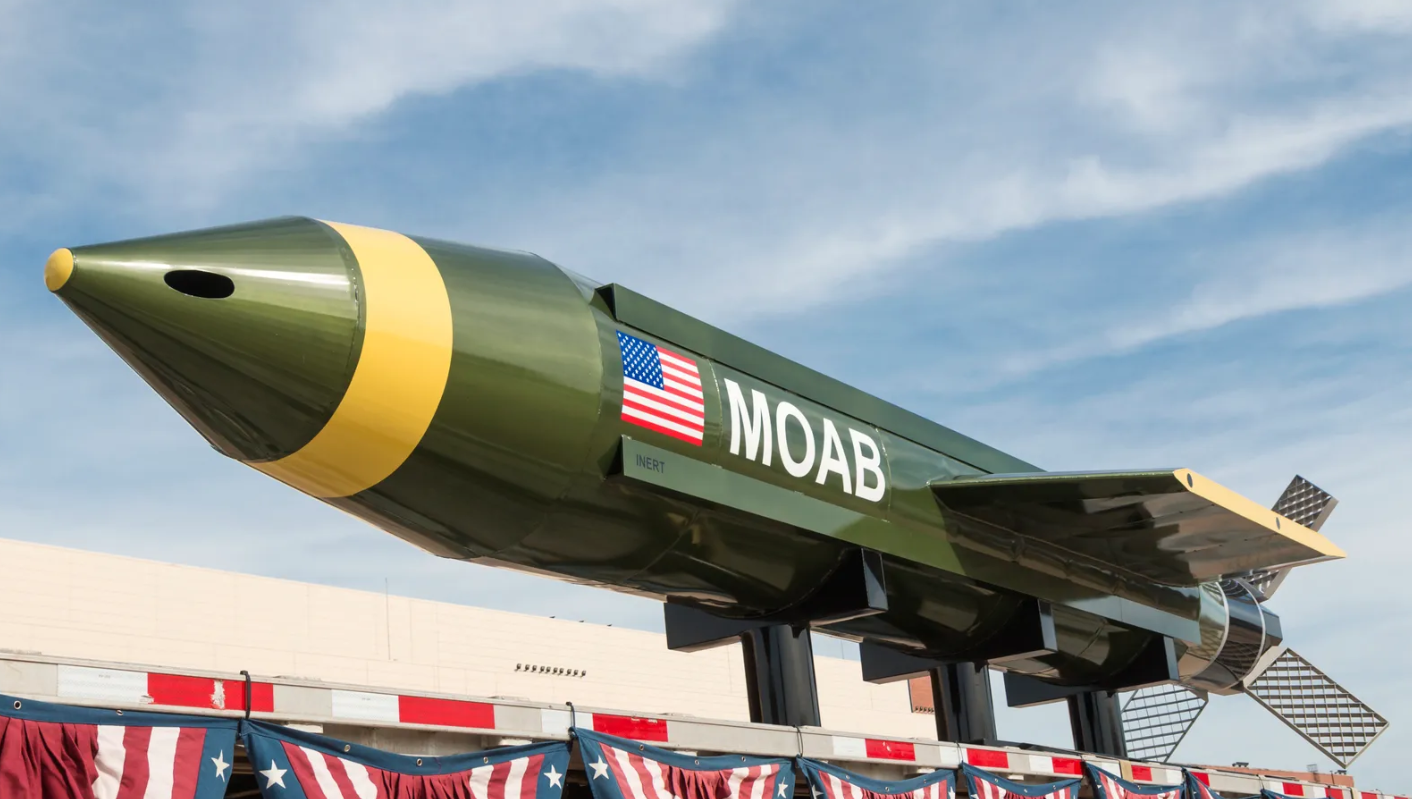
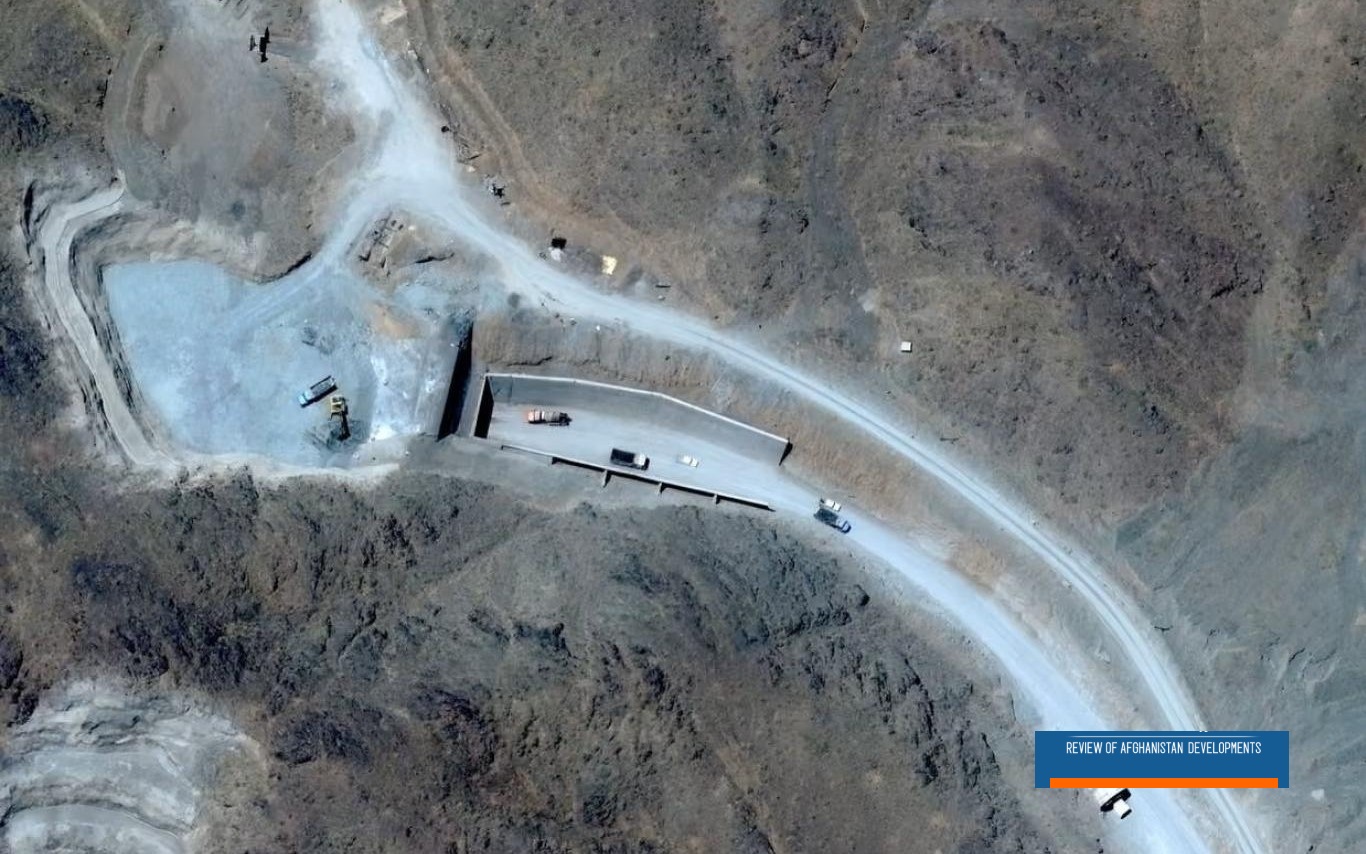
US military strategies and tactics against Iran have hit a dead end. Contrary to Washington’s initial calculations, the war with Iran didn’t end in a few days; Iranian resistance has now continued for months. This is frustrating for Donald Trump, who wants every crisis settled quickly, and America appears to have been drawn into yet another long war of attrition. The rise in global oil and strategic commodity prices caused by the closure of the Strait of Hormuz has pushed the Trump team toward showy military options, including talk of using the Mother of All Bombs (Massive Ordnance Air Blast – MOAB) to blow up Pickaxe Mountain in Isfahan — an underground complex that has been described as a replacement for the Natanz facilities for assembling centrifuges.
Trump, tired of the war’s length and looking for an exit, is probably after a headline-grabbing “news bomb” that would let him declare victory and end the war. For that reason, he is searching for an option that would create a huge media splash.
Since using a nuclear weapon would carry heavy international costs for the United States, Washington is looking for a low-cost solution with a propaganda hook for declaring victory. In this framework, the Mother of All Bombs (MOAB) is seen as a low-cost answer with the “show” Trump needs to announce the end of the war and extract himself from the Iranian quagmire. Given that the weapon has been used before in Afghanistan, the question is whether using the Mother of All Bombs against Iran would really stop its nuclear program.
The Propaganda Function of MOAB in Afghanistan: A Model to Repeat?
The history of using the Mother of All Bombs (GBU-43/B MOAB) in Afghanistan, and what came of it, can serve as a guide. In 2017, the United States dropped the bomb in Achin district of Nangarhar province against ISIS-Khorasan positions — a network of caves and tunnels inside a mountain.
Why Did the US Use The Mother of All Bombs in Afghanistan?
ISIS-Khorasan announced its presence in Afghanistan in 2015 and, despite the presence of 140,000 US and NATO troops, managed to seize eight districts in Nangarhar and expand its attacks. Operations by US special forces and the Afghan army against ISIS, though they led to the liberation of four districts, came with heavy Afghan military casualties, and ISIS kept returning to the area. Meanwhile, because the fight with the Taliban was ongoing, the US couldn’t focus solely on ISIS. The war against ISIS was therefore time-consuming, costly, and short on the achievements Washington needed.
At the time, ISIS was flexing its power in Iraq and Syria, and the founding of its Khorasan branch looked like a failure to Americans with a heavy military presence in Afghanistan. US military commanders, and Trump, who had just begun his first term, needed a showy policy to cover for weak performance and the lack of achievements against ISIS in Afghanistan. The solution was to use a weapon being used for the first time, one that would generate a news wave: bombing ISIS positions with the Mother of All Bombs (MOAB) — an 11-ton bomb that was the largest non-nuclear bomb in the US arsenal and was being used in combat for the first time.
The show worked. Media headlines and public opinion were fixed for a long time on the idea that America was dealing with ISIS in Afghanistan decisively. But the expert view told a different story. A study of ISIS-Khorasan by the Combating Terrorism Center at the West Point military academy found that the group’s attacks became deadlier despite the use of MOAB against it, with the number of victims of ISIS attacks rising from about 688 in 2017 to 843 in 2018. This data, along with ISIS’s continued growth in Afghanistan, clearly shows that the Mother of All Bombs (MOAB) had no strategic effect on a non-state actor’s organizational and operational capacity, and merely delivered a media spectacle.
The Mother of All Bombs and Pickaxe Mountain: Military Effectiveness and Psychological Function
Just as using the Mother of All Bombs (GBU-43/B MOAB) in Afghanistan served a propaganda and political function, Trump’s threat to bomb Iran’s nuclear facilities at Pickaxe Mountain with this weapon works on two levels. Before any attack, its psychological-operations aspect is what matters; and if he were ever to carry it out, its value as a showpiece policy for America would be what counts.
According to military experts, US and Israeli knowledge of Pickaxe Mountain’s construction details is incomplete; they don’t know the facility’s footprint or depth. According to technical reports, the complex’s underground halls are dug between 80 and 100 meters deep, and in places up to 600 meters, into hard granite rock, and even dedicated bunker-buster bombs face serious doubts about destroying it completely.
Meanwhile, the Mother of All Bombs (MOAB) is a surface-blast weapon, not a penetrating bunker-buster. Most of its energy is released as a broad pressure wave in open air, and it wasn’t designed to penetrate deep rock. So even if used, it would probably destroy only the entrance and surface facilities and wouldn’t seriously damage the core.
Related Articles
Afghans’ Perspective on the US-Israeli War Against Iran
The Impact of the US-Iran War on Afghanistan Economy
Conclusion
To escape the quagmire of the Iran war, Trump needs a showpiece or sweeping publicity to declare victory and then pull America out. But it’s unlikely that public opinion will be swayed this time as it was when the Mother of All Bombs (MOAB) was used in Afghanistan. Back then, the media and the public knew nothing of America’s desperation against ISIS-Khorasan or of how the Mother of All Bombs actually performed on the battlefield.
Today, everyone knows about America’s inability to match Iran’s military power, and people won’t be mesmerized by the name and power of MOAB. Afghanistan’s experience showed that the weapon’s real function lies not on the battlefield but in newsrooms and psychological operations — and in Iran’s case, even that function has been badly worn down by public awareness of its technical limits.