
Review of Afghanistan developments
By: A. Shakouri
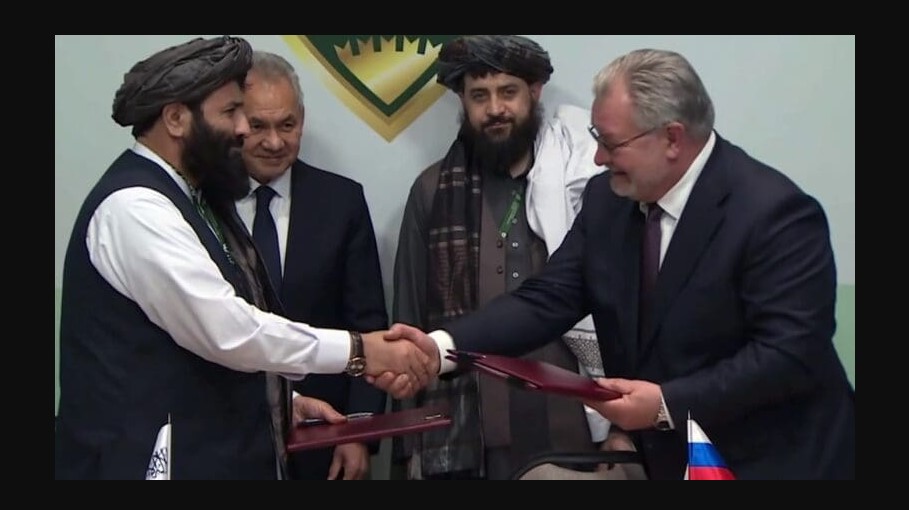
The Russia-Afghanistan military agreement—signed with the Taliban administration in May–June 2026—has moved beyond diplomatic declarations, shifting focus toward operational execution, particularly the refurbishment of legacy Soviet- and Russian-made military hardware in Afghanistan. The accord establishes a formal framework for military-technical cooperation between Moscow and the Taliban authorities, encompassing armored, artillery, and aviation assets left behind from both the Soviet era and the former Islamic Republic.
Within this framework, Belarus’s specialized capacity to overhaul fixed-wing aircraft, helicopters, and armored vehicles, alongside Tatarstan’s industrial capabilities in supplying and refurbishing military transport fleets, warrants close scrutiny. The central analytical question is how the Russia-Afghanistan military agreement will be operationalized, which weapon systems hold refurbishment priority, and whether industrial cooperation with enterprises in Russia, Belarus, and Tatarstan can meaningfully restore segments of the Taliban’s military capabilities.
Inside the Russia-Afghanistan Military-Technical Agreement
Speaking to Russia’s RIA Novosti news agency, Zamir Kabulov, the Russian President’s Special Representative for Afghanistan, characterized the accord as both “framework-based and practical,” noting that under Russian law, any military-technical cooperation requires a clearly defined legal foundation. According to Kabulov, the Taliban administration’s foremost priority is repairing and refurbishing existing Russian-manufactured military equipment currently inside Afghanistan.
While the exact text of the Russia-Afghanistan military agreement has not been released publicly, several unverified accounts have surfaced detailing its core provisions. According to these reports, the accord was drafted in Russian, Pashto, and English, with the English text prevailing in the event of interpretive disputes. Implementation falls under the purview of Russia’s Federal Service for Military-Technical Cooperation (FSVTS) and the Taliban’s Ministry of National Defense. The agreement carries a five-year term with provisions for renewal.
Under the terms of the pact, neither party is permitted to transfer or sell weapons, military hardware, technical production documentation, or other defense articles acquired or procured through this cooperation to any third party without the prior written consent of the other signatory.
What Hardware Will Russia Refurbish in Afghanistan?
Although the Taliban administration is acutely eager to rebuild its air force and overhaul leftover military stockpiles, Moscow recognizes that refurbishing U.S.-made weaponry abandoned in Afghanistan would cross Washington’s red lines. Consequently, the Kremlin is highly unlikely to service American military hardware. Consistent with Zamir Kabulov’s statements, Moscow will restrict its refurbishment efforts strictly to legacy Russian and Soviet equipment remaining in Afghanistan.
While comprehensive inventories of surviving Russian weaponry in Afghanistan remain unverified, foreign media outlets have published itemized lists of legacy equipment requiring overhaul, spanning armored vehicles, artillery, helicopters, and combat aircraft:
1. Armored and Artillery Systems
• Approximately 3,000 Russian-made Kamaz military trucks and tank transporters;
• 31 units of 152mm self-propelled howitzers;
• 27 units of BM-21 Grad multiple launch rocket systems (MLRS);
• 76 armored vehicles, including BTR-60 and BTR-70 armored personnel carriers, BMP-1 and BMP-2 infantry fighting vehicles, and T-55 and T-62 main battle tanks.
2. Aviation Assets
• 11 Mi-8 and Mi-17 transport helicopters;
• 4 Mi-24 attack helicopters;
• 12 fighter jets comprising MiG-21, MiG-23, Su-22, and Su-25 models;
• 3 Antonov An-26 military transport aircraft.
Executing the Russia-Afghanistan Military Agreement
Moscow will not undertake the refurbishment of legacy Russian hardware in Afghanistan unilaterally. Diplomatic engagements and back-channel consultations indicate that the Kremlin is routing key components of its defense cooperation with the Taliban through indirect channels and third-party intermediaries. In this architecture, Belarus and Tatarstan emerge as pivotal actors due to their specialized defense-industrial infrastructure and established political and economic links with both Russia and Afghanistan.
Belarus: Overhaul and Repair Capacity for Russian Hardware
Belarus has served as a critical supplier of spare parts for Russian-made hardware in Afghanistan since the Republic era. During President Ashraf Ghani’s administration, when U.S. pressure blocked Kabul from signing direct defense contracts with Minsk, India financed the major overhaul and delivery of four Belarusian Mi-35 attack helicopters to Afghan forces.
Presently, Moscow has deliberately integrated Belarus into its diplomatic architecture concerning Afghanistan. Russia initially invited Belarusian representatives to the “Moscow Format” consultations, facilitating direct Kabul–Minsk dialogue. Subsequently, Belarusian Deputy Foreign Minister Sergei Lukashevich hosted a Taliban delegation in Minsk. Several months later, Belarusian Foreign Minister Maxim Ryzhenkov held talks with Taliban Minister of Industry and Commerce Nooruddin Azizi in Minsk, followed weeks later by non-resident Belarusian Ambassador Alexander Ogorodnikov presenting his diplomatic credentials in Kabul.
The 140th Repair Plant in the Belarusian city of Barysaw and the defense enterprise Volatavto possess extensive technical expertise in overhauling and supplying components for Russian tanks, helicopters, military transport vehicles, and BM-21 Grad rocket systems. Belarus is widely expected to assume responsibility for executing segments of the Russia-Afghanistan military agreement, leveraging its capacity to refurbish Soviet-era armor and rotorcraft alongside spare-parts logistics to anchor bilateral Kabul–Minsk cooperation.
Tatarstan: Kamaz’s Role in the Russia-Taliban Military Pact
Tatarstan is one of the Russian Federation’s premier federal republics, situated in the Volga region, with its capital, Kazan, recognized as a major economic, industrial, and Islamic center in Russia. Boasting advanced oil, gas, petrochemical, heavy machinery, and automotive industries, the republic plays a vital role in the Russian economy.
The convergence of Tatarstan’s Islamic heritage, industrial base, geopolitical positioning, and the annual KazanForum has transformed the republic into a key diplomatic conduit for Moscow’s engagement with the Taliban. In practice, the Kremlin has delegated a notable share of its outreach strategy toward Kabul to Kazan through paradiplomacy.
The renowned Kamaz manufacturing complex—one of Eurasia’s largest heavy-duty truck producers—is headquartered in Tatarstan and has evolved in recent years into a prominent symbol of industrial cooperation between the Taliban and Russia. Given the vast fleet of Kamaz trucks and military transporters inside Afghanistan, Tatarstan will likely spearhead heavy-vehicle refurbishment and spare-parts procurement.
Trainer-Attack Jet Overhaul: A Sign of Implementation?
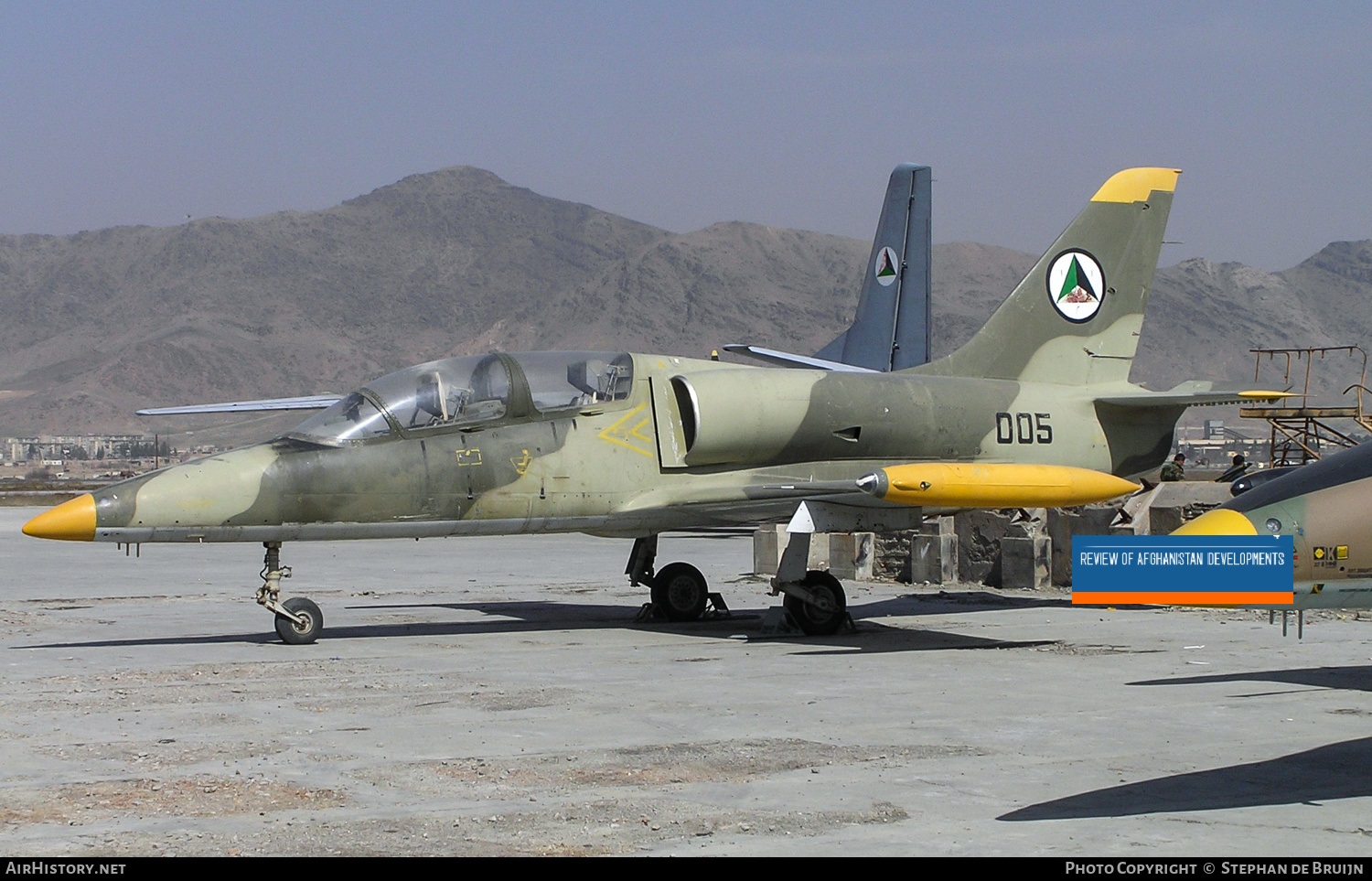
Video footage recently circulated on social media depicting a jet aircraft flying over Kabul, subsequently identified as an Aero L-39 Albatros bearing tail number 005. Manufactured in Czechoslovakia during the 1960s, the L-39 is primarily a jet trainer designed for pilot instruction, though it retains light air-to-ground attack capabilities.
Although no official source has confirmed the connection, the refurbishment of this dual-role aircraft appears to be a direct deliverable of the Russia-Afghanistan military agreement. This development carries four major strategic implications:
1. Return of Jet Operations: For the first time in many years, Afghanistan’s air force has returned a jet aircraft to flight status. Even during the former Republic era, when the Afghan Air Force was rebuilt and equipped, U.S. military officials barred Afghan personnel from operating combat jets due to security considerations.
2. Accelerated Implementation: The flight indicates that the Taliban-Russia defense pact has transitioned into its operational phase significantly faster than anticipated.
3. Counterinsurgency Utility: Because the L-39 possesses air-to-ground strike capabilities, once armed, it could be deployed alongside training duties in kinetic operations against ISIS-Khorasan and armed opposition factions.
4. Stepping Stone to Fighter Jets: Most importantly, refurbishing the Aero L-39 Albatros appears to be a calculated preparatory step. Given reports of surviving Russian Sukhoi and MiG fighter aircraft in Afghanistan, restoring this jet trainer enables the Taliban air force to train pilots to operate Sukhoi and MiG fighters once overhauled. Should this trajectory hold, it signals a major shift that could equip the Taliban’s air wing with operational fighter jets within a relatively short timeframe.
Related Articles
Russia’s Policy in Afghanistan: A Shift Toward Economic Ties
Why Russia’s ISIS Strategy Now Centers on Taliban
Strategic Outlook
The bilateral military pact between Russia and Afghanistan has established a formal legal framework governing cooperation on military equipment and weaponry. Based on statements from Russian officials, repairing and refurbishing legacy Russian- and Soviet-built hardware inside Afghanistan forms the core pillar of this partnership. Within this operational model, Belarus’s industrial expertise in overhauling helicopters and armored vehicles, combined with Tatarstan’s manufacturing capacity in heavy transport and Kamaz fleets, provides critical execution channels. Alongside these industrial mechanisms, the refurbishment and flight of the L-39 jet trainer over Kabul underscores the evolving status of the Taliban’s air wing and the potential restoration of segments of Afghanistan’s aerial capabilities.
About the Author: A. Shakouri is a Kabul-based analyst specializing in Afghan political and security affairs.