
Review of Afghanistan developments
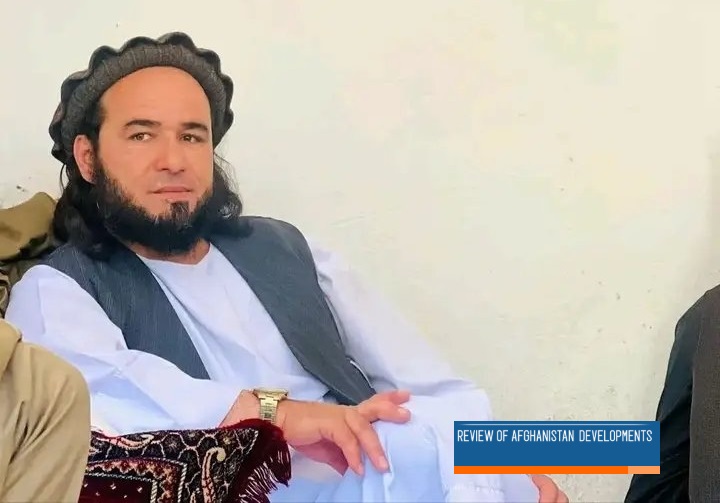
The tension between Juma Khan Fateh, a significant Taliban commander in Badakhshan, and the Taliban government has become a major internal challenge for the “Islamic Emirate” in recent weeks. Although the full extent and resolution of this conflict remain uncertain, the evidence available implies that it is more than just a personal or administrative issue and may indicate deeper divisions within the Taliban’s power hierarchy. Fateh’s appointment as deputy governor of Zabul was seen by many observers as a tactic to remove him from his main area of influence in Badakhshan, and his dismissal by the Taliban leader carries particular weight and significance at this moment.
Alongside the reasons for Juma Khan Fateh’s protest, this Tajik Taliban leader has highlighted issues like the inadequate reconstruction of Badakhshan. Nevertheless, a key factor in this contention is the competition for control over economic assets, especially the gold mines in Badakhshan. This province is deemed one of Afghanistan’s wealthiest mining regions, and control over its mines yields considerable economic returns while simultaneously bolstering the political and security power of local commanders.
The Rise of Juma Khan Fateh and the Onset of a Rift within the Taliban
In the structure of the Taliban government, a considerable amount of authority held by commanders is derived from local networks and financial assets. Access to these resources can grant them enhanced practical autonomy. For this reason, some analysts speculated that Juma Khan Fateh’s appointment as deputy governor of Zabul was intended to diminish his economic and political power while strengthening the central leadership’s oversight of Badakhshan’s strategic resources.
In recent weeks, Juma Khan Fateh’s response has heightened the significance of this dispute. In videos shared on social media, he has articulated demands concerning Badakhshan province, discussed the military capabilities of his forces, and asserted that he has the backing of thousands of fighters in Badakhshan, Takhar, and Kunduz. Although these claims have not been independently verified, the mere act of making such assertions indicates that Fateh is attempting to showcase his standing and deterrent ability, conveying the message that any attempt to remove or diminish his influence will incur consequences.
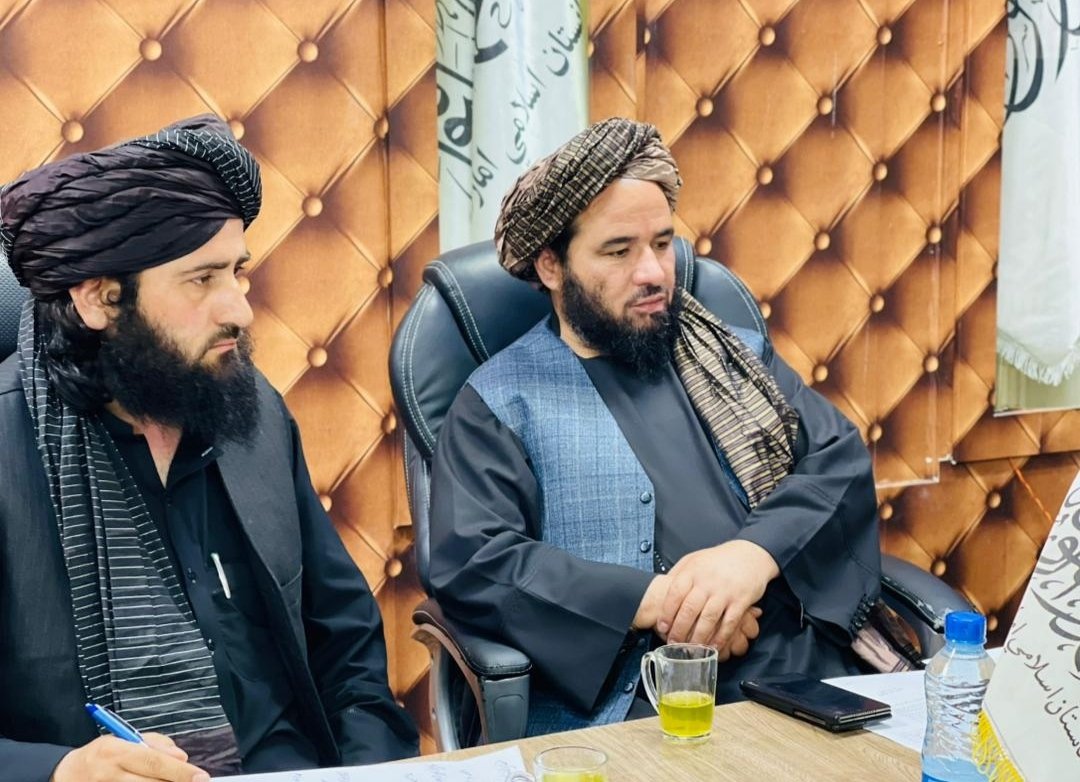
On the other hand, information from sources affiliated with the Taliban indicates that the leadership is resolute in executing its directives in Badakhshan and is also exploring security measures to thwart the potential spread of insubordination among local commanders. If these reports hold validity, they reveal that the Taliban leadership perceives this conflict not merely as a localized matter but as a critical challenge to uphold central authority and avert the establishment of a perilous precedent among other commanders. In recent years, the Taliban’s organizational framework has predominantly relied on the tenets of loyalty to the leadership and the centralization of decision-making, alongside efforts to prevent the emergence of independent power centers. A retreat to a local commander could jeopardize this foundational principle.
Nevertheless, confining the crisis to competition for mines or administrative roles does not offer a comprehensive understanding. The ongoing dispute has emerged within a framework where the issues of ethnic composition and power distribution are also significant. Juma Khan Fateh, a Tajik commander affiliated with the Taliban, wields considerable influence in Badakhshan, a region predominantly inhabited by Tajiks. In recent years, various observers have noted a growing concentration of power among those close to the Kandahar leadership, alongside a diminishing role for certain non-Pashtun commanders within the Taliban’s administrative and security framework. Although the Taliban have consistently denied this viewpoint, such perceptions among local commanders and elites may intensify existing divisions and complicate the reconciliation process.
Taliban in a test of power concentration
Should this tension intensify, there exists a potential for military confrontations in Badakhshan; however, forecasting the future of this crisis remains challenging. Although Juma Khan Fateh possesses considerable influence among local forces, engaging in a direct conflict with the Taliban leadership, who maintain a broader military, organizational, and command structure—would entail numerous risks for him. Conversely, the Taliban leadership encounters its own difficulties, as relying solely on military force in a mountainous area with strong local affiliations could incur substantial security and political repercussions, further aggravating existing grievances. Furthermore, there has been some speculation regarding Fateh’s possible links to opposition movements against the Taliban; however, to date, no independent and credible evidence has emerged to substantiate these assertions, which, if verified, could significantly amplify the significance of the Juma Khan Fateh situation.
Related Articles
Badakhshan protests and the poppy cultivation crisis
Sociological analysis of the Herat protests
Conclusion
The overall importance of this crisis is not primarily about the fate of Juma Khan Fateh, but rather about the dynamics between the Taliban’s central leadership and its regional commanders. Since regaining power, the Taliban have sought to create a centralized and hierarchical organization; however, Afghanistan continues to be a nation where local networks, ethnic affiliations, regional leaders, and local economic assets significantly influence the power dynamics.
Therefore, any effort to completely centralize authority without establishing a framework for the involvement and management of local stakeholders’ interests may exacerbate similar tensions in the future. Thus, the Badakhshan crisis should not merely be viewed as a conflict between a commander and the Taliban leadership; rather, it represents a manifestation of the broader challenge the Taliban government encounters in its transition from a military organization to a centralized governance structure. The manner in which this conflict is addressed, rather than the result of a possible confrontation, will indicate the extent to which the Taliban government can reconcile the central authority, the interests of local commanders, and the diverse reality of Afghan society. A failure to do so could emerge as a significant threat to the political stability and cohesive governance of this group in the long run.