
Review of Afghanistan developments
Recent developments have indicated that while both Iran and Pakistan serve as significant pathways for Afghanistan’s foreign trade, the quality, sustainability, and reliability of these routes differ considerably for the Afghan economy. Practical experiences in Afghan trade and transit reveal that Iran possesses a greater capacity and advantage to function as a sustainable geo-economics partner in comparison to Pakistan. This disparity extends beyond mere trade volume; it also encompasses the nature of the infrastructure, the security levels of the routes, the quality of exported goods, and the political stances of the two nations regarding Afghan trade and transit.
The superiority of Iran’s transit corridors over Pakistan
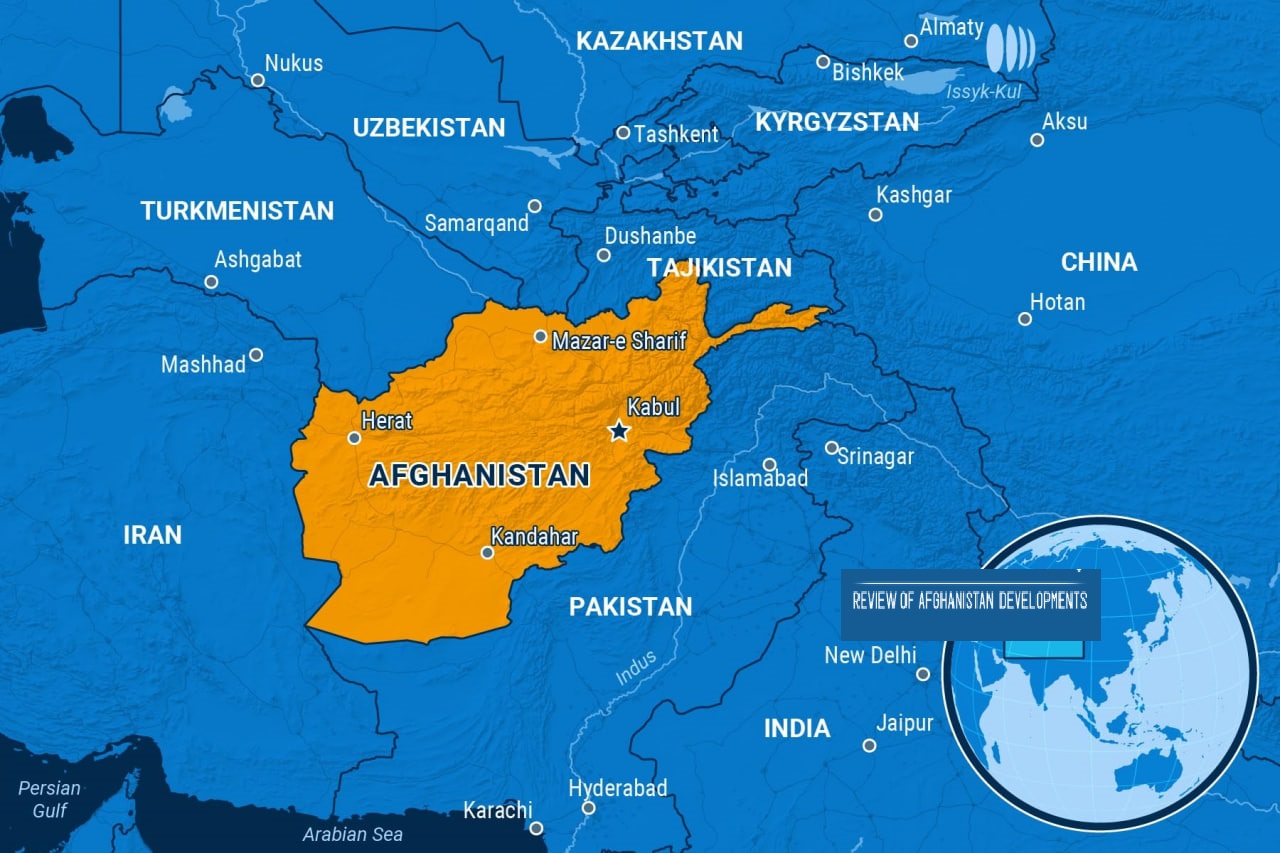
The primary significant distinction is that Iran possesses a broader and more cohesive transit and transportation infrastructure. Owing to its geographical positioning, which provides direct access to the Persian Gulf, the Sea of Oman, and open waters, coupled with a comprehensive system of highways, railways, ports, and logistics centers, Iran is well-equipped to transport goods to Afghanistan. Chabahar Port, the eastern Iranian road network, and railway connections to the Afghan borders have empowered the nation to serve as a reliable regional corridor.
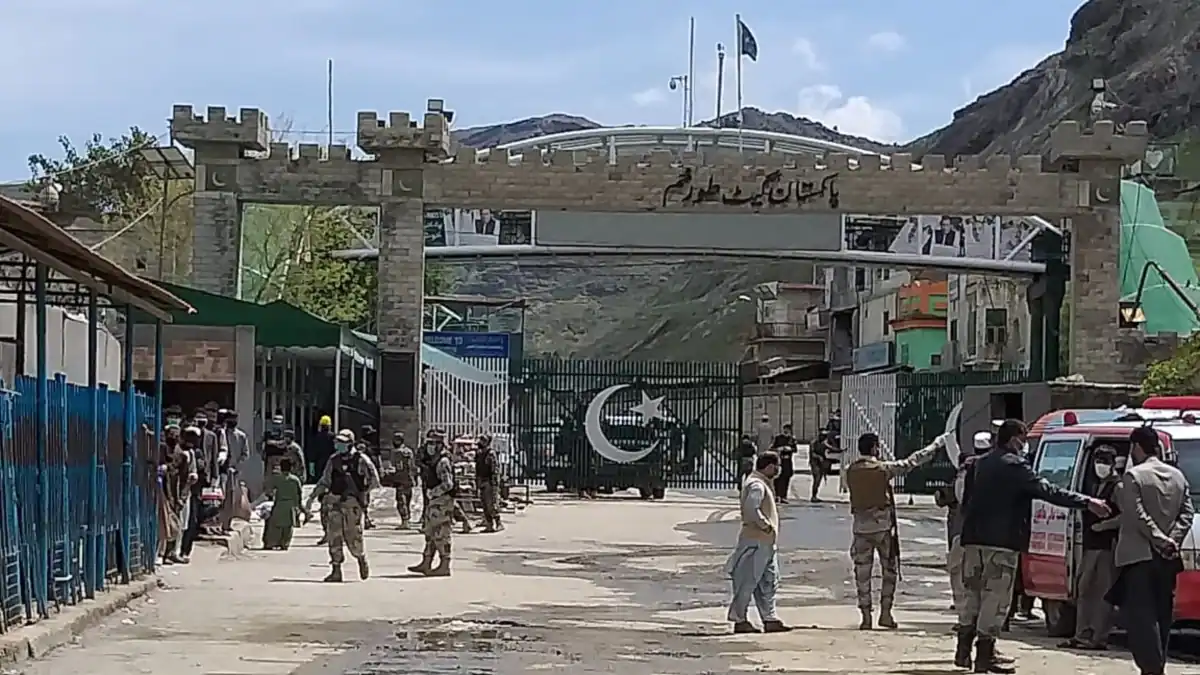
In comparison, Pakistan’s transit infrastructure, while significant for Afghanistan, depends heavily on a small number of crossings like Torkham and Chaman. This reliance heightens the susceptibility of Afghan trade. Any political strife, security emergency, or administrative action at these points could interrupt the complete flow of Afghan trade.
Furthermore, Iran’s role as a transit hub for Afghanistan extends beyond mere access to open waters. Iran serves as a vital link for Afghanistan to numerous significant economic and geopolitical regions. By utilizing Iranian territory, Afghanistan secures not only access to the Persian Gulf and international maritime commerce but also establishes connections to Turkey and European markets, Iraq, and even the Caspian Sea coastal nations like Russia and Azerbaijan. This characteristic positions Iran as a “geo-economics crossroads.”
In comparison, the Pakistani route is significantly more restricted in its functionality, offering Afghanistan access to the ports of Karachi and Gwadar, yet lacking the extensive regional connectivity capabilities that Iran provides. Consequently, reliance on the Iranian route for Afghanistan is not merely a matter of commercial necessity; it also forms a component of a strategy aimed at geo-economics diversification and the mitigation of geographical monopolies.
The stability and sustainability of transit routes in Iran
The second concern pertains to the disparity in the security and stability of trade routes between the two nations. Iran’s transit pathways have experienced a degree of stability in recent years, even amidst sanctions and regional conflicts, resulting in fewer abrupt disruptions for Afghan trade utilizing these routes. Conversely, Afghanistan’s trade with Pakistan has consistently been influenced by political, security, and border-related tensions, leading to numerous instances of sudden border closures. This scenario has led the Taliban government and Afghan merchants to remain perpetually anxious about the reliability of the Pakistani route, preventing them from establishing long-term confidence in it. Indeed, one of the factors contributing to Afghanistan’s gradual shift towards Iranian corridors has been the desire to mitigate this instability and vulnerability.
The Distinction in Afghan Consumers’ Perception of Iranian and Pakistani Products
The third significant distinction lies in the quality of the products exported by the two nations. In the Afghan market, Iranian products typically possess higher credibility and acceptance, often surpassing comparable Pakistani products in quality, durability, and standards. Conversely, certain Pakistani products have developed a reputation for inferior quality within the Afghan market, leading Afghan consumers to believe that some Pakistani manufacturers intentionally produce lower quality goods for export to Afghanistan.
This situation has slowly led to a degree of discrediting of certain Pakistani products within the Afghan market, to the extent that in common market discussions, any substandard product is occasionally referred to as “Pakistani”. Conversely, a significant portion of the products exported from Iran to Afghanistan are identical to those available in the Iranian domestic market, with no notable difference in quality between domestic and exported items. Consequently, Iranian products have gained more trust and acceptance in the Afghan market, resulting in Afghan consumers frequently favoring Iranian goods over those from Pakistan.
Economy as a tool for politics; Strategic differences between Iran and Pakistan
The fourth and arguably the most significant distinction is the political utilization of the economy and transit. Recent years’ experiences indicate that Pakistan has often transformed trade and transit into a means of applying political pressure on Afghanistan. Regular border closures, halting of transit goods, abrupt customs restrictions, and interruptions in trade flow demonstrate that the economic relations between Afghanistan and Pakistan have consistently been influenced by political and security tensions. This situation has led to Afghan trade through Pakistan being perpetually confronted with uncertainty and instability. The Taliban government has recognized this issue, and it has been factored into Afghanistan’s macroeconomic considerations.
In contrast, Iran has made efforts in recent years to regulate its economic interactions with Afghanistan primarily based on economic and regional interests, while also striving to maintain the primary trade and transit routes with Afghanistan open, even amidst significant regional tensions and conflict. The recent war experience further demonstrated that, despite military and naval pressures, Iran sought to keep trade with Afghanistan distinct from military developments and to avert a total breakdown of the goods flow.
Certainly, this does not imply that the Iranian route is devoid of challenges or limitations. The presence of war, sanctions, and instability in the Persian Gulf has demonstrated that the Iranian route is susceptible to regional crises. Furthermore, rising transportation and insurance expenses, along with a deceleration in the flow of goods, can have repercussions on the Afghan economy. Nevertheless, the key distinction lies in the fact that disruptions along the Iranian route have primarily stemmed from regional and international macroeconomic factors, whereas in Pakistan, a considerable portion of trade instability has been attributed to bilateral political and security decisions. Consequently, from a geo-economics standpoint, Iran has emerged as a more dependable, stable, and adaptable trade and transit partner for Afghanistan; a factor of significant strategic importance considering Afghanistan’s substantial reliance on imports.
Related Articles
Extension of Chabahar Port’s Sanctions Exemption
Opportunities & challenges of cutting Afghanistan’s trade tie with Pakistan
Conclusion
A comparative analysis of the transit and trade functions of Iran and Pakistan within the Afghan economy indicates that, despite both nations serving as Afghanistan’s eastern and western neighbors and acting as the primary import and transit routes over the years, the quality, sustainability, and reliability of these two pathways differ significantly. Iran, benefiting from a more comprehensive infrastructure network that includes ports, railways, and highways, as well as access to open waters, plays a pivotal role in linking Afghanistan to the markets of Turkey, Europe, Iraq, and the Caspian Basin, thereby functioning as a geo-economics crossroads. Conversely, Pakistan’s transit framework is more centralized and susceptible to vulnerabilities.
Regarding security and stability, Iran’s trade routes have not experienced any abrupt interruptions in recent years, whereas Afghan trade via Pakistan has consistently faced border closures and political strife. Additionally, Iranian products are perceived to have greater credibility and quality in the Afghan market, in contrast to Pakistani goods, which are predominantly linked to a reputation for inferior quality.
The primary distinction, however, resides in the strategies employed by the two nations: Pakistan has consistently utilized trade and transit as instruments of political leverage against Afghanistan, whereas Iran has endeavored to maintain an uninterrupted flow of goods even during periods of regional turmoil. While Iran’s route is also influenced by sanctions and trans-regional instability, the interruptions are predominantly linked to macro-economic factors rather than bilateral political choices.
From a geo-economics standpoint, Iran has become a more stable, dependable, and adaptable partner for Afghanistan; this advantage holds significant strategic value due to Afghanistan’s substantial reliance on imports and may influence the future trajectory of the nation’s trade and transit.